

Principle and Working Scene Characteristics of Cement Dry Ash Pneumatic Conveying
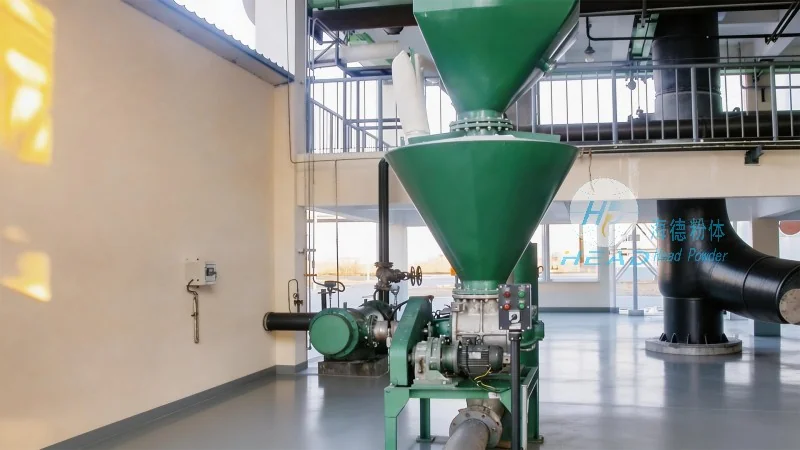
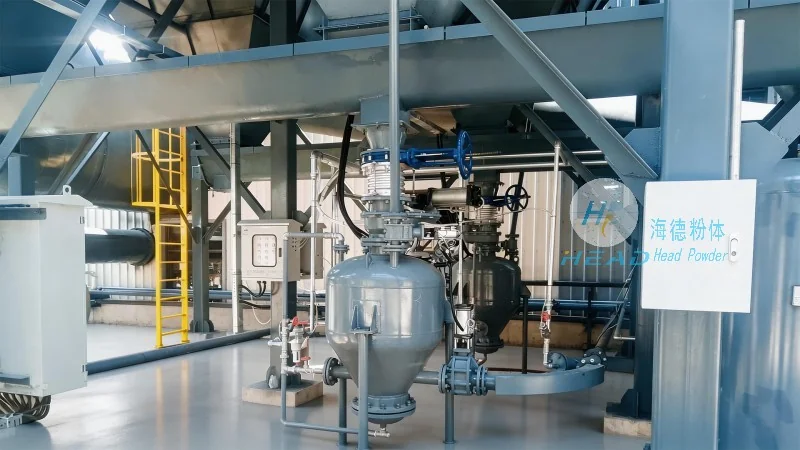
Understanding the principles and operational characteristics of cement dry ash pneumatic conveying is crucial for optimizing material handling processes in industrial settings. This technology involves the use of air to transport dry powders, such as cement ash, through a pipeline system. The core mechanism relies on creating a pressure differential or using vacuum to move the material, ensuring efficient and dust-free transfer. The process begins with the material being fed into the conveying line, typically through a hopper or feeder, which then mixes with the air. The air velocity is carefully controlled to maintain a stable flow, preventing the material from settling or causing blockages. The system includes various components, including a blower or fan to generate the airflow, a pipeline network to transport the material, and a receiver or silo to collect the material at the destination. The design of the system must consider factors like the material's properties, the distance to be covered, and the required throughput. For cement dry ash, which is often fine and has a high bulk density, the system must be capable of handling high volumes while maintaining low pressure drops and energy consumption.
Key Principles of Pneumatic Conveying for Cement Dry Ash
The fundamental principle of pneumatic conveying is the generation of airflow that propels the material. In positive pressure systems, compressed air is introduced into the conveying line, pushing the material forward. Conversely, negative pressure systems use suction to draw the material into the pipeline. For cement dry ash, which is typically fine and abrasive, the choice of system depends on factors like material flow rate, distance, and system complexity. The design must consider the particle size distribution, moisture content, and bulk density of the ash to ensure stable and continuous conveying. Proper air velocity is critical to prevent particle deposition and maintain system efficiency. The system also includes components like feeders, cyclones, and filters to manage the material flow and separate the conveying air from the product. Advanced control systems are often integrated to monitor and adjust the airflow and material feed, ensuring optimal performance under varying conditions. The principles of fluid dynamics and particle mechanics are applied to model the behavior of the material-air mixture, allowing engineers to design systems that meet specific operational requirements.
Working Scene Characteristics and Applications
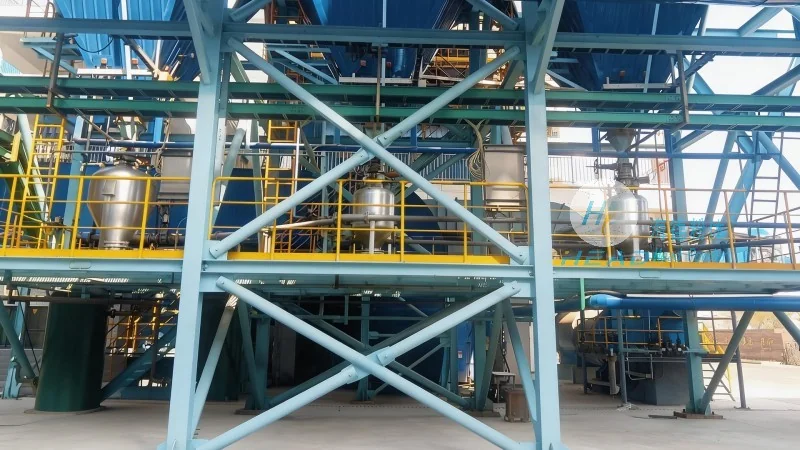
Cement dry ash pneumatic conveying is widely used in various industrial scenarios, particularly in the cement and construction sectors. The primary working scene characteristics include high material throughput, long-distance transport, and the need for dust control. In cement plants, for example, dry ash from kiln systems is often conveyed to storage silos or processing units. The system must handle large volumes of fine particles, which can be challenging due to their tendency to agglomerate or cause blockages. To address this, advanced control systems and specialized equipment are employed to maintain consistent flow rates and prevent system downtime. The working environment often involves high temperatures and abrasive conditions, requiring durable materials and robust construction for the conveying components. Additionally, the system's integration with other processes, such as material blending or packaging, is essential for seamless operation. The characteristics of the working scene, including the scale of the operation and the specific requirements of the end-use application, dictate the design and configuration of the pneumatic conveying system. In some cases, the system may be part of a larger material handling network, requiring coordination with other equipment like crushers, screens, or mixers. The efficiency of the entire process depends on the smooth operation of the pneumatic conveying system, making it a critical component in industrial production lines.