

Principles and Application Scenarios of Sodium Bicarbonate Pneumatic Conveying
Understanding the principles and application scenarios of sodium bicarbonate pneumatic conveying is crucial for optimizing material handling processes in various industrial settings. This article delves into the technical aspects of pneumatic conveying systems, focusing on how they efficiently transport sodium bicarbonate, a widely used chemical compound, while highlighting the operational advantages and practical applications in different industrial environments.
1. The Fundamental Principles of Pneumatic Conveying
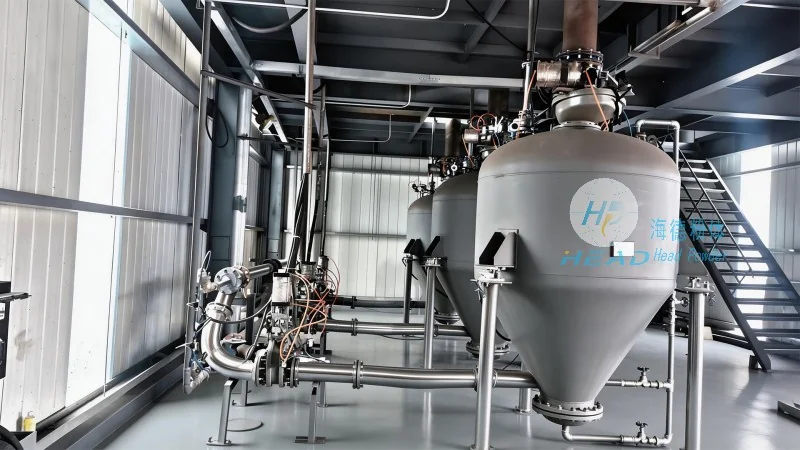
Pneumatic conveying, also known as air conveying, is a method of transporting bulk materials through a pipeline using a stream of air or gas. The core principle involves creating a pressure differential between the inlet and outlet of the conveying system, which propels the material along the pipeline. In the case of sodium bicarbonate, this process typically involves a combination of positive and negative pressure systems, depending on the specific application and material characteristics. The system generally consists of a hopper, a conveyor line, and a receiver, with air being introduced to move the material from the source to the destination. The efficiency of the conveying process is influenced by factors such as the air velocity, material density, and particle size distribution. Proper design and maintenance of the pneumatic conveying system are essential to ensure consistent and reliable material transport, minimizing issues like blockages or degradation of the material.
2. Key Components and Operational Mechanisms
The successful operation of a sodium bicarbonate pneumatic conveying system relies on several critical components. The hopper, where the material is stored, is equipped with a feed mechanism that controls the flow of sodium bicarbonate into the conveyor line. The conveyor line itself is typically made of metal or plastic, designed to withstand the pressure and friction of the material and air. Air is introduced at the inlet of the conveyor line, often through a blower or compressor, creating a flow that moves the material. The receiver, located at the end of the line, collects the transported sodium bicarbonate. The system may also include additional components such as filters, cyclones, or separators to prevent dust and debris from entering the air system and to ensure the material is delivered in a clean and consistent manner. The operational mechanisms involve precise control of air pressure and flow rates, which are adjusted based on the material's properties and the distance to be conveyed. This ensures that the material is transported at an optimal speed, avoiding excessive wear on the equipment and maintaining the integrity of the sodium bicarbonate.
3. Application Scenarios and Industrial Use Cases
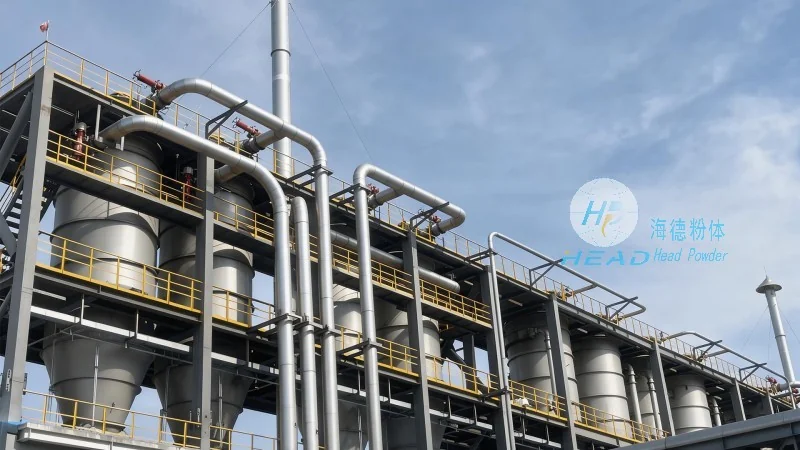
Sodium bicarbonate pneumatic conveying is widely used in various industrial applications due to its efficiency and adaptability. In the food and beverage industry, for example, it is used to transport sodium bicarbonate for baking powder production or as a leavening agent in food processing. The system allows for the safe and hygienic handling of the material, preventing contamination and ensuring product quality. In the pharmaceutical industry, pneumatic conveying is employed to transport sodium bicarbonate used in the production of tablets or other medicinal products, where precision and cleanliness are paramount. The chemical industry also utilizes this method for transporting sodium bicarbonate used in the manufacturing of other chemicals or as a raw material in various processes. Additionally, in the agricultural sector, pneumatic conveying systems are used to transport sodium bicarbonate for soil amendment or as a fertilizer component. The versatility of the system makes it suitable for a wide range of applications, from small-scale operations to large industrial plants.
4. Advantages and Challenges in Pneumatic Conveying of Sodium Bicarbonate
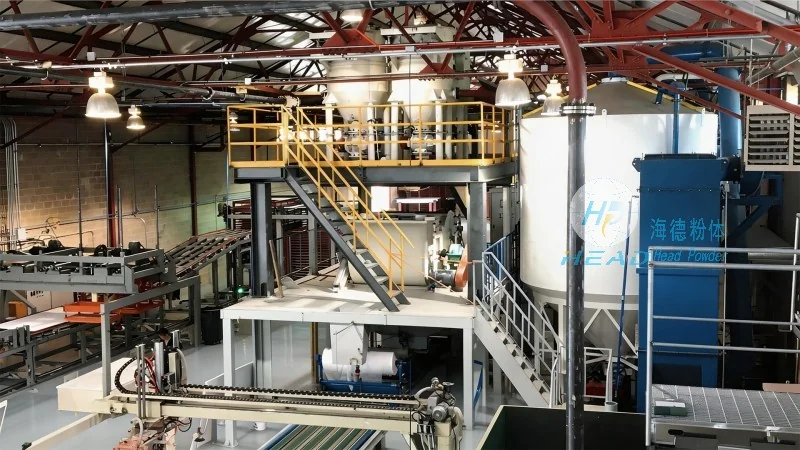
Implementing a pneumatic conveying system for sodium bicarbonate offers several advantages. One of the primary benefits is the ability to transport the material over long distances without the need for intermediate storage or handling. This reduces labor costs and improves operational efficiency. The system also minimizes material degradation, as the material is not subjected to excessive friction or impact during transport. Additionally, pneumatic conveying can be integrated with other processing equipment, such as mixers or reactors, to streamline production processes. However, there are also challenges associated with this method. For instance, the system requires careful maintenance to prevent blockages, which can occur due to the material's properties or the design of the conveying line. The energy consumption of the system, particularly the blower or compressor, can be significant, especially for long-distance or high-volume transport. Furthermore, the system may generate dust, which requires proper filtration and ventilation to ensure a safe working environment. Addressing these challenges through proper system design, regular maintenance, and appropriate safety measures is essential for the successful operation of sodium bicarbonate pneumatic conveying systems.
5. Case Study: HeadPowder's Pneumatic Conveying Solutions
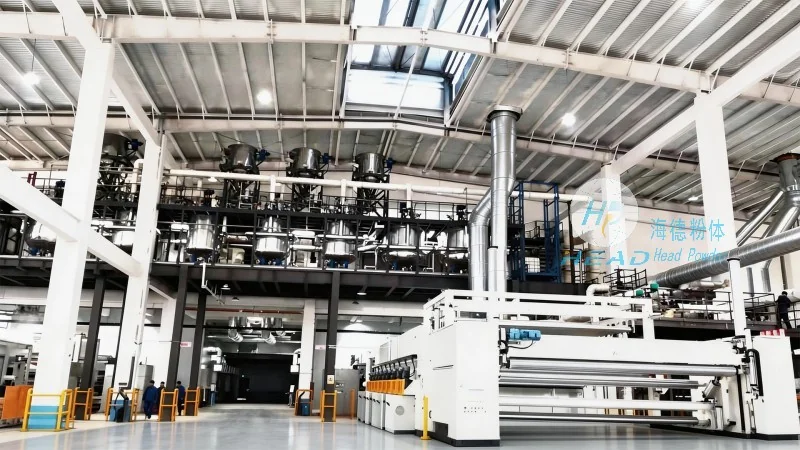
Shandong HeadPowder Engineering Co., Ltd., a leading provider of material handling solutions, specializes in designing and implementing efficient pneumatic conveying systems for sodium bicarbonate and other bulk materials. With a focus on innovation and customer satisfaction, HeadPowder has developed customized solutions tailored to the specific needs of various industries. The company's expertise in material handling technology ensures that their systems are optimized for performance, reliability, and cost-effectiveness. For example, a client in the food processing industry implemented a HeadPowder-designed pneumatic conveying system to transport sodium bicarbonate for baking powder production. The system was designed to handle high volumes of material over a long distance, with minimal downtime and maintenance. The result was improved production efficiency and reduced operational costs. Another case study involves a pharmaceutical company that used HeadPowder's pneumatic conveying system to transport sodium bicarbonate for tablet manufacturing. The system's ability to maintain a clean and hygienic environment, combined with precise control over material flow, ensured compliance with regulatory standards and product quality. These case studies highlight the effectiveness of HeadPowder's solutions in addressing the unique challenges of sodium bicarbonate pneumatic conveying and delivering tangible benefits to their clients.
6. Conclusion and Future Trends
In conclusion, the principles and application scenarios of sodium bicarbonate pneumatic conveying play a vital role in modern industrial material handling. The system's ability to efficiently transport bulk materials while maintaining product quality and operational efficiency makes it an essential technology in various industries. As industrial processes continue to evolve, the demand for advanced material handling solutions will increase, driving innovation in pneumatic conveying systems. Companies like Shandong HeadPowder Engineering Co., Ltd. are at the forefront of this development, providing customized solutions that meet the specific needs of their clients. By understanding the fundamental principles and operational mechanisms of pneumatic conveying, industries can optimize their processes and achieve greater efficiency and productivity. The future of sodium bicarbonate pneumatic conveying looks promising, with continued advancements in technology and design that will further enhance its capabilities and applications.