

Principles and Application Scenarios of Polystyrene Pneumatic Conveying
Polystyrene, a widely used thermoplastic material, often requires efficient and reliable material handling solutions for industrial applications. Pneumatic conveying technology offers an effective method for transporting polystyrene particles from one location to another, ensuring safety, cleanliness, and operational efficiency. This article explores the fundamental principles of polystyrene pneumatic conveying and highlights key application scenarios where this technology excels.
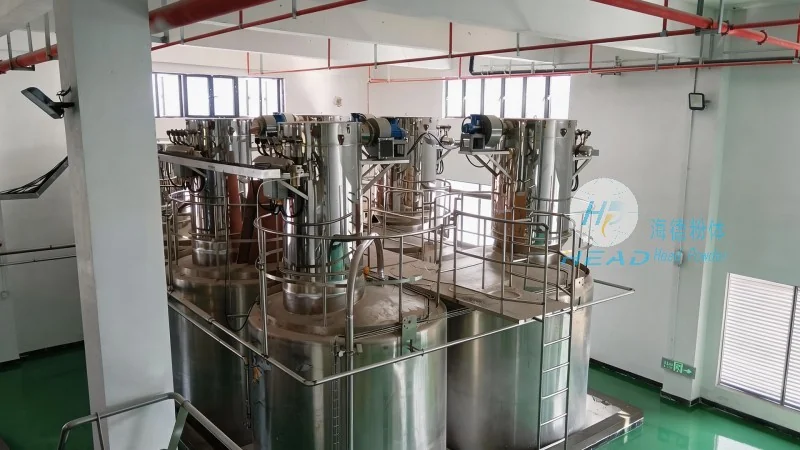
Understanding the Principles of Polystyrene Pneumatic Conveying
Pneumatic conveying systems operate by using air or gas to transport bulk materials through a pipeline. In the case of polystyrene, the system typically involves a combination of positive and negative pressure or vacuum to move the material. The core components of a polystyrene pneumatic conveying system include a material hopper, a feeder, a conveying line, a separator, and a collection bin. The process begins with the polystyrene material being fed into the system, where it is then entrained by the air flow and transported through the pipeline. The air velocity is carefully controlled to ensure the material is carried without degradation or blockage. Key principles include maintaining appropriate air velocity to prevent material deposition, using appropriate equipment to handle the specific properties of polystyrene (such as its lightweight and low abrasiveness), and ensuring the system is designed to minimize dust generation and maintain material integrity.
Key Application Scenarios for Polystyrene Pneumatic Conveying
Polystyrene pneumatic conveying is widely utilized in various industrial sectors due to its ability to handle the material's unique characteristics. Some of the primary application scenarios include:
1. Plastic Manufacturing Plants: In manufacturing facilities, polystyrene is often processed and then conveyed to molding machines or storage areas. The pneumatic system ensures that raw material is transported efficiently from storage to production lines, reducing manual handling and potential contamination. The system's ability to handle fine polystyrene particles without clogging is particularly valuable in this context.
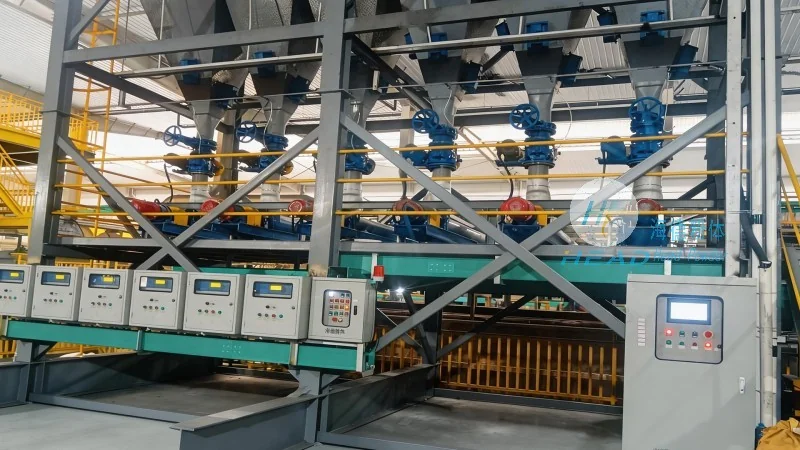
2. Packaging and Packaging Material Production: Polystyrene is commonly used in packaging applications, and the conveying system plays a crucial role in moving finished or semi-finished products. For example, in the production of foam packaging, the material is conveyed from the molding line to packaging stations or storage. The system's cleanliness and low maintenance requirements make it suitable for food-grade packaging applications.
3. Waste Management and Recycling Facilities: In recycling operations, polystyrene waste is often collected and then conveyed to processing units for regrinding or reprocessing. The pneumatic system helps in transporting the waste material without the need for manual handling, which is both efficient and safe. The system's ability to handle mixed materials and maintain a clean environment is essential in recycling plants.
4. Construction and Insulation Material Production: Polystyrene is used in insulation materials, and the conveying system is used to transport the material from storage to production lines. The system's ability to handle large volumes of material and maintain consistent flow rates is critical for producing high-quality insulation products.
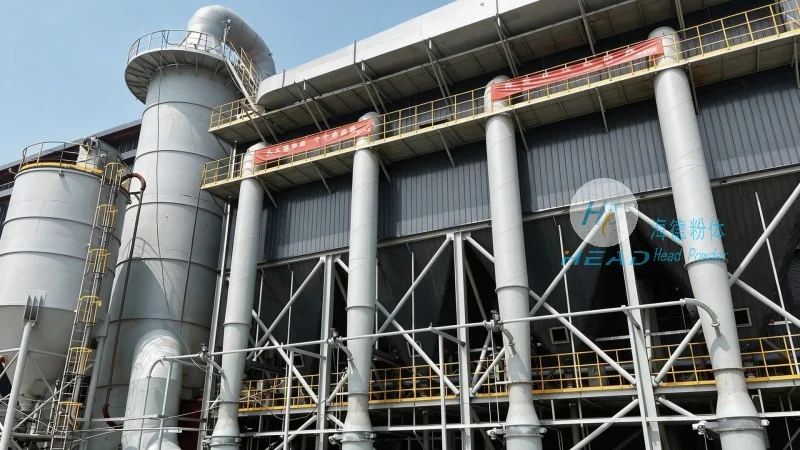
Benefits of Using Polystyrene Pneumatic Conveying Systems
Implementing a polystyrene pneumatic conveying system offers several advantages for industrial operations. These benefits include:
1. Enhanced Safety and Cleanliness: Pneumatic conveying eliminates the need for manual handling of polystyrene, reducing the risk of dust exposure and material contamination. The enclosed system also prevents the material from coming into contact with external contaminants, ensuring product purity.
2. Improved Efficiency and Productivity: The automated nature of the system allows for continuous material flow, reducing downtime and increasing overall production efficiency. The system's ability to handle high volumes of polystyrene quickly and reliably ensures that production lines operate smoothly.
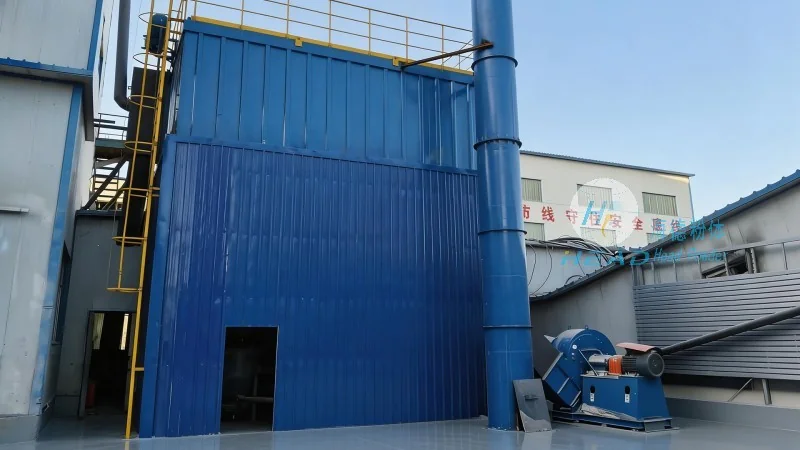
3. Reduced Maintenance and Operating Costs: Compared to traditional conveyor systems, pneumatic conveying systems often require less maintenance due to fewer moving parts. The enclosed design also minimizes the need for cleaning and reduces the risk of material buildup, leading to lower long-term operating costs.
4. Flexibility and Scalability: Pneumatic conveying systems can be easily scaled to accommodate changing production needs. The system can be expanded or modified to handle increased material volumes or different types of polystyrene products, providing flexibility for growing businesses.
About Shandong HeadPowder Engineering Co., Ltd.
Shandong HeadPowder Engineering Co., Ltd., operating under the brand name headpowder, is a leading provider of pneumatic conveying solutions tailored for polystyrene and other bulk materials. With a focus on innovation and customer-centric design, the company specializes in developing customized systems that meet the unique requirements of industrial applications. HeadPowder's expertise lies in understanding the material properties of polystyrene and designing systems that ensure efficient, safe, and reliable material handling. The company's facilities are located in Shandong, China, where they leverage advanced technology and skilled engineering to deliver high-quality solutions to clients worldwide.