

Principle and Working Scene Characteristics of Nitrogen Circulation Pneumatic Conveying Equipment
HeadPowder, a leading provider of industrial conveying solutions, specializes in advanced pneumatic conveying systems. This article explores the principle and working scene characteristics of nitrogen circulation pneumatic conveying equipment, highlighting its efficiency, versatility, and application in various industrial settings.
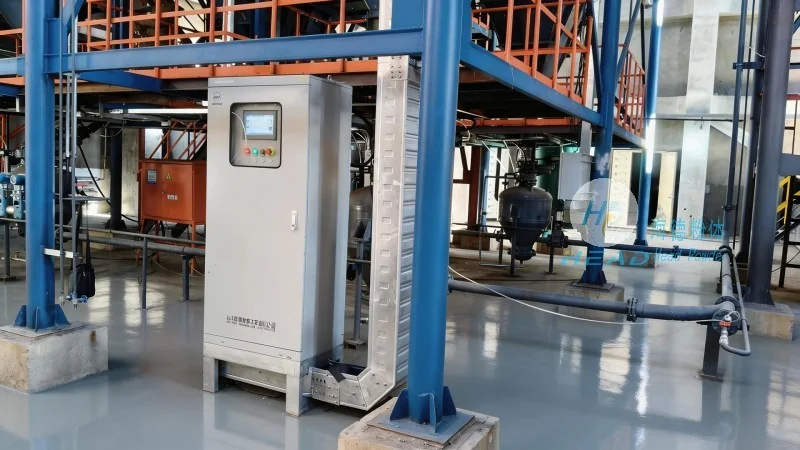
Introduction to Nitrogen Circulation Pneumatic Conveying Equipment
HeadPowder Engineering Co., Ltd., headquartered in Shandong, China, is renowned for its innovative engineering solutions tailored to the needs of modern industries. The company's expertise lies in developing efficient and reliable pneumatic conveying systems, including nitrogen circulation systems, which are designed to handle bulk materials with precision and minimal environmental impact. This equipment is a critical component in many industrial processes, offering a sustainable alternative to traditional material handling methods.
The Principle of Nitrogen Circulation Pneumatic Conveying
Nitrogen circulation pneumatic conveying equipment operates on the principle of using compressed nitrogen gas to transport bulk materials through a closed system. Unlike conventional systems that rely on ambient air, nitrogen circulation systems utilize purified nitrogen, which is inert and non-flammable, making them ideal for transporting sensitive or hazardous materials. The process involves several key components: a material hopper, a rotary airlock feeder, a conveying pipeline, and a receiver. The nitrogen gas is introduced into the system under controlled pressure, creating a flow that pulls the material particles through the pipeline. The system maintains a consistent gas flow, ensuring smooth and continuous material transport without the need for excessive air pressure or high-speed operation.
Working Scene Characteristics and Application Advantages
The working scene characteristics of nitrogen circulation pneumatic conveying equipment are defined by its ability to operate in diverse industrial environments while maintaining high efficiency and material integrity. Key advantages include:
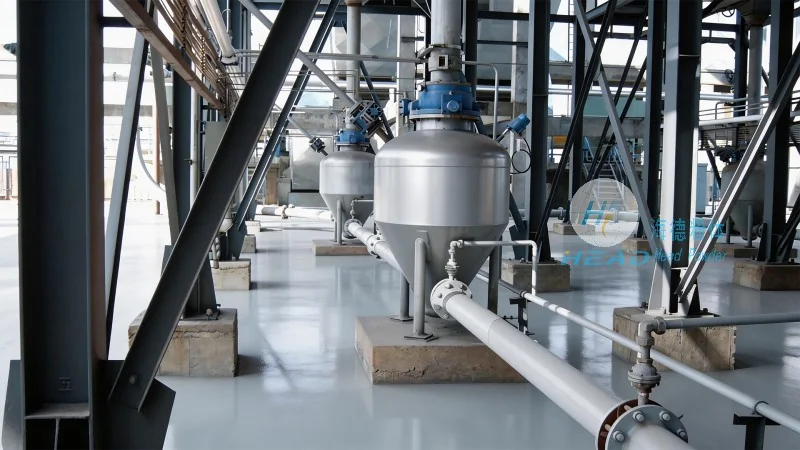
1. Material Protection and Preservation: By using inert nitrogen gas, the equipment prevents oxidation, moisture absorption, or contamination of the conveyed materials. This is particularly beneficial for transporting sensitive products such as pharmaceuticals, food powders, or chemicals that require strict quality control.
2. Environmental Sustainability: Nitrogen circulation systems minimize the release of dust and emissions into the environment, as the conveying process is enclosed and the gas is recirculated. This aligns with modern industrial standards for environmental responsibility and regulatory compliance.
3. Energy Efficiency: The closed-loop design reduces energy consumption compared to open-air systems, as the gas is reused rather than continuously replaced. This results in lower operational costs and a smaller carbon footprint.
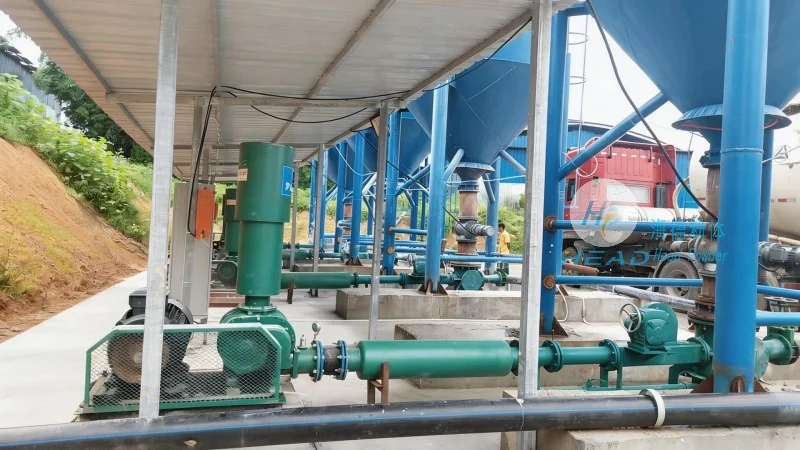
4. Versatility in Material Handling: The equipment can handle a wide range of materials, including powders, granules, and small particles, with adjustable settings to accommodate different material properties and flow rates. This flexibility makes it suitable for various industries, from food and pharmaceuticals to chemicals and minerals.
Typical Working Scenarios and Industrial Applications
Nitrogen circulation pneumatic conveying equipment is widely used in several industrial sectors due to its adaptability and performance. Common working scenarios include:
1. Pharmaceutical Manufacturing: In pharmaceutical plants, the equipment is used to transport active pharmaceutical ingredients (APIs) and excipients with strict purity requirements. The inert nitrogen environment ensures that the materials remain free from contamination, maintaining product quality and compliance with regulatory standards.
2. Food Processing Industry: For food processing facilities, the system is employed to convey food powders, spices, and other ingredients. The use of nitrogen prevents spoilage and extends shelf life, while the enclosed system maintains hygiene standards essential for food safety.
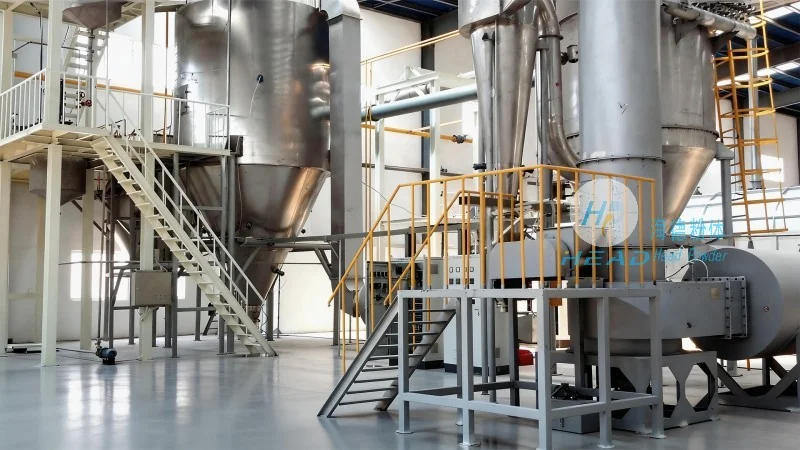
3. Chemical and Petrochemical Industries: In chemical plants, the equipment handles various powders and granules, including those that are corrosive or reactive. The nitrogen circulation system provides a safe and controlled environment, reducing the risk of chemical reactions or explosions.
4. Mineral and Mining Sector: For mining operations, the system is used to transport raw materials such as ores and minerals from processing plants to storage or further processing facilities. The robust design and ability to handle abrasive materials make it suitable for demanding mining environments.
Conclusion and Company Expertise
HeadPowder Engineering Co., Ltd. continues to lead the development of advanced nitrogen circulation pneumatic conveying equipment, combining innovative technology with industrial expertise. By leveraging the principles of nitrogen circulation, the company's solutions offer enhanced efficiency, material protection, and environmental sustainability. With a strong presence in Shandong, China, HeadPowder remains committed to providing tailored solutions that meet the evolving needs of modern industries, ensuring reliable and efficient material handling across diverse applications.