

Principle and Working Scene Characteristics of Dry Powder Pneumatic Conveying Equipment
HeadPowder Engineering Co., Ltd. specializes in the design, manufacturing, and application of dry powder pneumatic conveying equipment. This article provides an in-depth look at the fundamental principles behind such systems and highlights the key characteristics of their operational environments.
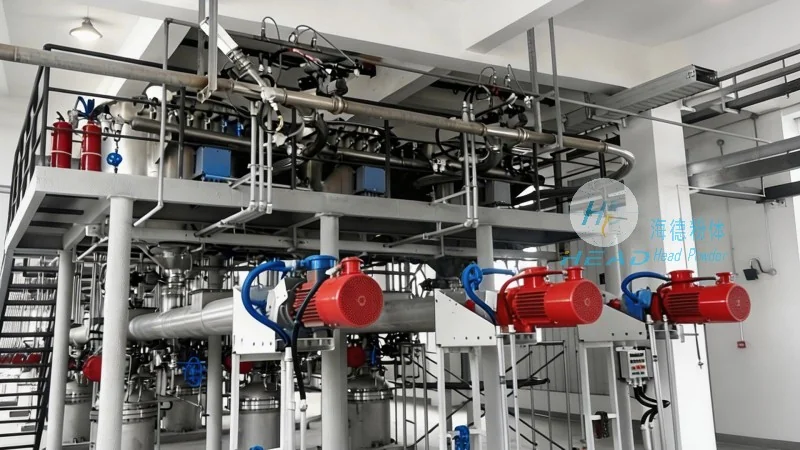
Overview of Dry Powder Pneumatic Conveying Equipment
Dry powder pneumatic conveying systems are engineered to transport bulk dry powders through a pipeline using a pressurized or vacuum air stream. These systems are widely adopted across various industries due to their efficiency, flexibility, and ability to handle a wide range of powder properties. The core components typically include a material feed hopper, a conveyor line, a control system, and a dust collection unit. The system operates by introducing dry powder into the air stream, which then propels the material through the pipeline to the destination point.
The Fundamental Principle of Pneumatic Conveying
The principle of pneumatic conveying relies on the interaction between the powder particles and the air flow. In a typical operation, dry powder is fed into a hopper equipped with a feeder mechanism. As the feeder releases the powder, it is entrained by an air stream generated by a blower or compressor. The air flow, moving at sufficient velocity, lifts and transports the powder particles through the pipeline. The system can operate under either positive pressure (where the pipeline is pressurized) or negative pressure (where the pipeline is under vacuum). The choice of pressure type depends on the specific application, material characteristics, and the distance and layout of the conveying line.
Key Working Scene Characteristics
The operational characteristics of dry powder pneumatic conveying equipment are shaped by several factors that define their suitability for different industrial settings. These include the material's physical properties, the required conveying distance, the system's pressure requirements, and the environmental considerations of the application.
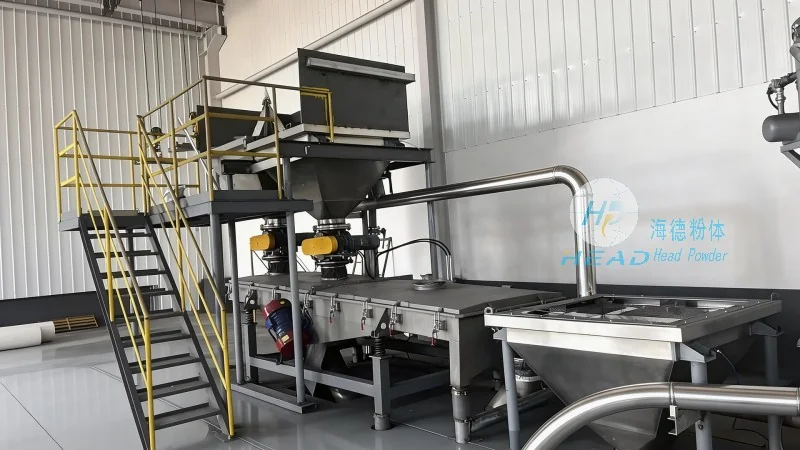
Material Properties and System Design
The characteristics of the dry powder being conveyed, such as particle size, density, moisture content, and flowability, directly influence the design and performance of the pneumatic conveying system. For example, fine powders with high moisture content may require additional drying or conditioning steps to prevent caking or blockages in the pipeline. Conversely, coarse or abrasive powders may necessitate the use of robust materials for the conveyor components to withstand wear and tear. The system's design must also account for the powder's dust explosion risk, as many dry powders are combustible and require explosion-proof components or inert gas systems to ensure safety.
Conveying Distance and Pressure Requirements
The distance over which the powder needs to be transported is a critical factor in determining the system's pressure and power requirements. Short-distance conveying (typically up to 50 meters) can often be achieved with low-pressure systems, where the air velocity is sufficient to move the material without excessive energy consumption. For longer distances (up to several hundred meters or more), higher pressure or vacuum systems are required to maintain the necessary air velocity and prevent material deposition or blockages. The layout of the conveying line, including vertical and horizontal segments, also affects the pressure drop and overall system performance, as changes in elevation and direction create additional resistance.
Environmental and Safety Considerations
In industrial applications, the working environment of dry powder pneumatic conveying systems must adhere to strict safety and environmental standards. The system must be designed to prevent dust emissions and ensure proper ventilation to protect workers from inhalation hazards. Dust collection systems, such as cyclones or bag filters, are typically integrated into the equipment to capture and recycle the powder, reducing waste and maintaining air quality. Additionally, the system must comply with local regulations regarding noise pollution and energy efficiency, as these factors impact the overall operational costs and sustainability of the application.
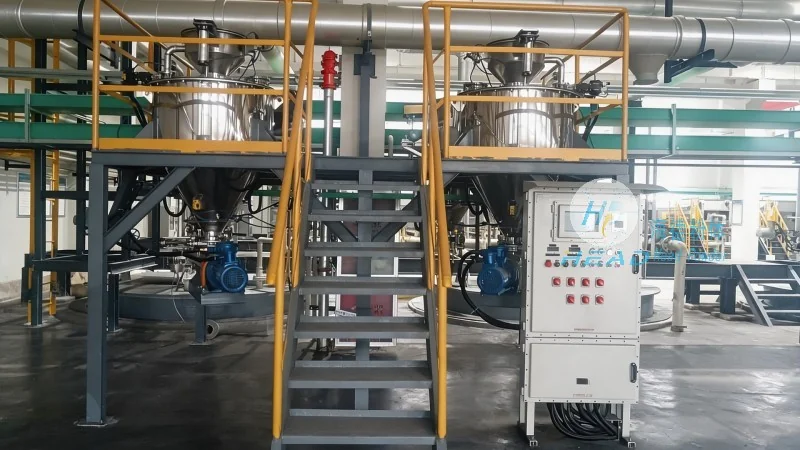
Application Scenarios and Industry Use Cases
Dry powder pneumatic conveying equipment is employed in a wide array of industries, each with unique operational requirements that define the characteristics of the working scene. For instance, in the pharmaceutical industry, the equipment must meet stringent cleanliness and contamination control standards, often requiring sterile or closed-loop systems to handle sensitive powders. In the food processing sector, the system must be constructed from food-grade materials and designed to prevent cross-contamination, with features like easy cleaning and maintenance. The chemical industry utilizes pneumatic conveying for handling various powders, including those with hazardous properties, requiring explosion-proof designs and robust sealing mechanisms to ensure safety. In the agricultural sector, the equipment is used to transport bulk materials like fertilizer or grain, where the focus is on efficiency and durability in harsh operating conditions.
Advantages and Limitations in Operational Environments
While dry powder pneumatic conveying offers numerous advantages, such as the ability to handle powders with varying properties and the flexibility to adapt to different layouts, it also has certain limitations that must be considered in the working scene. One of the primary advantages is the system's ability to transport powders in a closed loop, minimizing dust emissions and improving material handling efficiency. Another advantage is the reduced need for manual handling, which enhances workplace safety and productivity. However, the system's performance can be affected by factors like changes in powder characteristics, system maintenance, and environmental conditions. For example, a sudden increase in moisture content in the powder can lead to blockages or reduced conveying efficiency, requiring adjustments to the system's operation or material conditioning processes.
Conclusion
HeadPowder Engineering Co., Ltd. provides comprehensive solutions for dry powder pneumatic conveying equipment, tailored to meet the specific needs of various industrial applications. By understanding the fundamental principles and working scene characteristics of these systems, industries can optimize their material handling processes, enhance operational efficiency, and ensure compliance with safety and environmental regulations. The company's expertise in designing and manufacturing customized pneumatic conveying systems ensures that clients receive reliable and efficient solutions for their dry powder transport needs.