

[Maltose Powder Conveying Line: Principles and Working Scene Characteristics]
HeadPowder, a leading provider of powder handling solutions, specializes in the design and implementation of efficient maltose powder conveying systems. This article explores the fundamental principles behind these lines and highlights the key working scene characteristics that make them indispensable in various industrial applications.
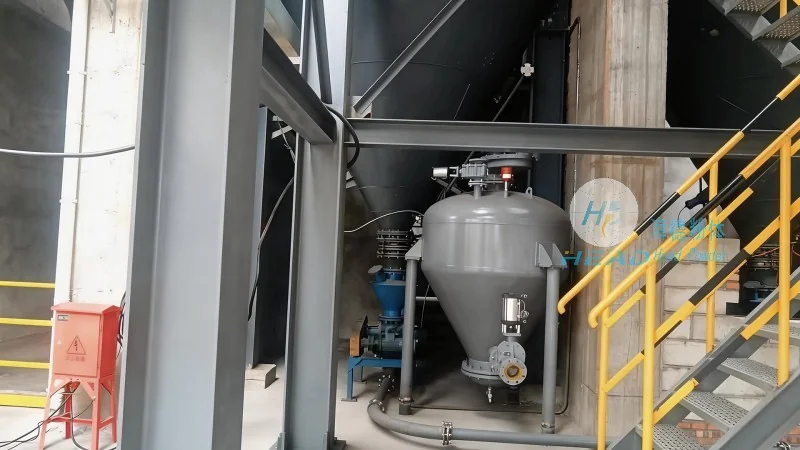
Understanding the Core Principles of Maltose Powder Conveying Lines
The maltose powder conveying line operates on the principle of transporting bulk powder materials, such as maltose, from one location to another within a processing facility. The system typically consists of several interconnected components, including feeders, conveyors, and control systems, all working in tandem to ensure smooth and reliable material flow. The primary goal is to maintain consistent flow rates, minimize material degradation, and prevent blockages or spillage during the conveying process.
Key principles include the use of appropriate equipment for the specific characteristics of maltose powder—such as its moisture content, particle size distribution, and flowability. For instance, the choice of conveyor type (e.g., pneumatic, mechanical, or hybrid systems) is critical. Pneumatic conveying systems are often preferred for fine powders like maltose due to their ability to handle high volumes with minimal pressure loss. Mechanical conveyors, on the other hand, may be more suitable for larger or bulkier particles, offering higher throughput and lower energy consumption.
Working Scene Characteristics of Maltose Powder Conveying Lines
The working scene characteristics of maltose powder conveying lines are tailored to the specific requirements of industrial environments where maltose is processed or used. These characteristics include:
1. Hygienic and Sanitary Design: In food processing industries, where maltose is commonly used as a sweetener or ingredient, the conveying line must adhere to strict hygiene standards. Components like hoppers, conveyors, and piping are often made from food-grade materials, such as stainless steel, and designed with smooth surfaces to prevent contamination and facilitate cleaning. This ensures compliance with regulatory requirements and maintains product quality.
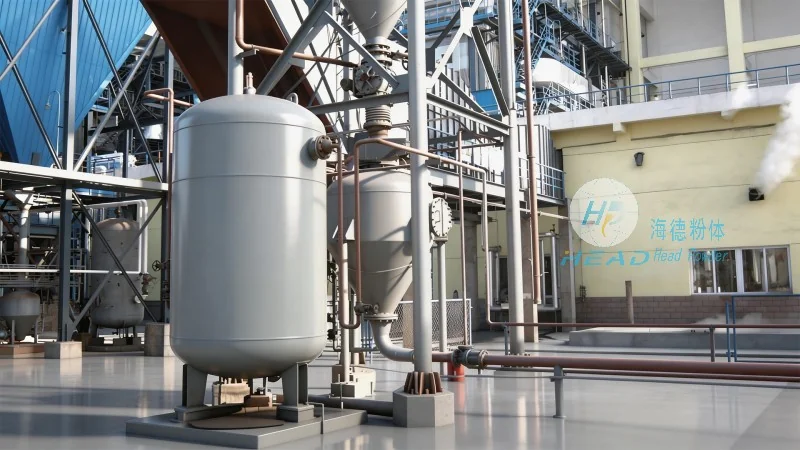
2. Customization for Diverse Applications: Maltose is used in various industries, including pharmaceuticals, food and beverage, and chemical manufacturing. Consequently, the conveying line is often customized to meet the unique demands of each application. For example, in pharmaceutical production, the system may incorporate additional filtration and separation steps to ensure the purity of the maltose powder. In food processing, the line may be designed to handle high volumes while maintaining product freshness and preventing cross-contamination with other ingredients.
3. Energy Efficiency and Maintenance: Modern maltose powder conveying lines are engineered for energy efficiency, reducing operational costs and environmental impact. Features such as variable speed drives, optimized airflow, and efficient motor selection help minimize energy consumption. Additionally, the design incorporates easy-to-access components for maintenance, reducing downtime and ensuring consistent performance over time.
Key Components and Their Roles in Maltose Powder Conveying Lines
The effectiveness of a maltose powder conveying line depends on the integration of several key components, each playing a critical role in the overall system performance:
1. Feeders: Feeders are responsible for controlling the flow rate of maltose powder from the storage hopper to the conveyor. They ensure a consistent and uniform feed, preventing overloading or underloading of the conveyor. Common types include screw feeders, vibratory feeders, and rotary valves, each selected based on the powder's flowability and the required flow rate.
2. Conveyors: The conveyor is the core component that transports the maltose powder through the system. Pneumatic conveyors use air pressure to move the powder, while mechanical conveyors rely on mechanical forces like belts or chains. The choice of conveyor type is influenced by factors such as the powder's particle size, moisture content, and the distance to be covered. For maltose, which is a fine powder, pneumatic conveyors are often preferred due to their ability to handle high volumes with minimal pressure loss and reduced risk of material degradation.
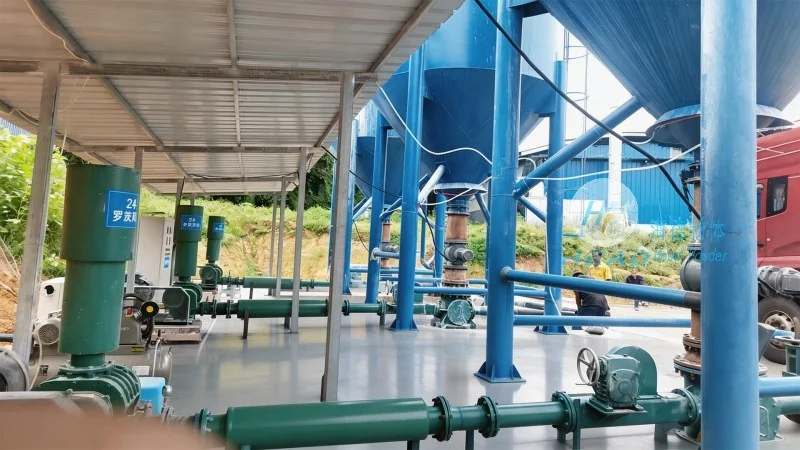
3. Control Systems: Advanced control systems monitor and regulate the operation of the conveying line, ensuring optimal performance and safety. These systems include sensors for flow rate, pressure, and level, as well as programmable logic controllers (PLCs) that adjust the speed of feeders and conveyors based on real-time conditions. This automation helps maintain consistent product quality and reduces the risk of equipment failure or material loss.
Applications and Industry Impact
Maltose powder conveying lines are widely used in various industries, contributing to the efficient production and distribution of maltose-based products. In the food and beverage industry, these systems facilitate the smooth transfer of maltose from storage to processing lines, ensuring consistent sweetness and flavor in final products. In pharmaceutical manufacturing, the conveying line plays a crucial role in maintaining the purity and sterility of maltose, which is often used as an excipient or sweetener in drug formulations.
The reliability and efficiency of these lines directly impact the overall productivity and cost-effectiveness of industrial operations. By minimizing material handling time and reducing waste, the maltose powder conveying line helps companies optimize their production processes and meet market demands effectively.
Conclusion
HeadPowder's maltose powder conveying lines are designed to meet the specific needs of industrial applications, combining advanced technology with robust engineering. By adhering to the core principles of efficient powder handling and incorporating customized working scene characteristics, these systems ensure reliable and hygienic operation. As a leading provider, HeadPowder continues to innovate and improve its solutions, helping industries maintain high standards of production and quality in the handling of maltose powder.