

Alumina Hydroxide Material Handling: Principles and Application Scenarios
Alumina hydroxide, a vital industrial chemical, serves as a foundational component in sectors including ceramics, pharmaceuticals, and water treatment. The efficient handling of this material is essential for maintaining production efficiency, ensuring product quality, and supporting downstream processes. This article delves into the core principles governing alumina hydroxide material handling and highlights the distinct features of its application scenarios, providing insights into how specialized systems address the unique challenges of transporting this substance.
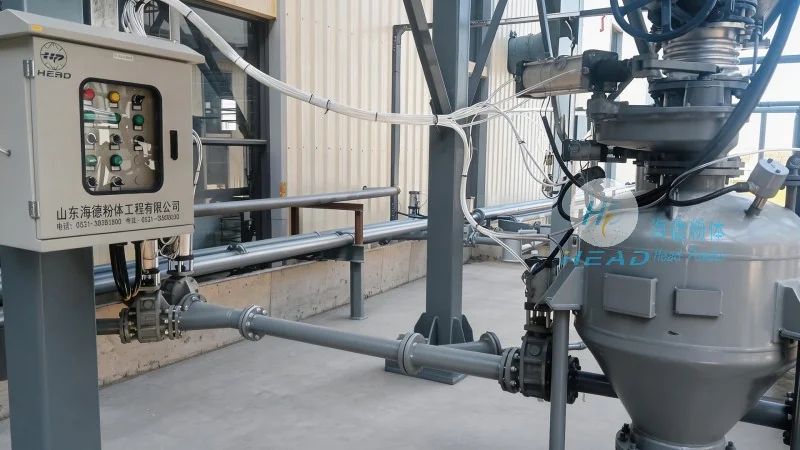
Foundational Principles of Alumina Hydroxide Material Handling
The handling of alumina hydroxide is guided by several fundamental principles that address the material's physical and chemical properties. As a fine powder or granular substance, alumina hydroxide exhibits characteristics such as low bulk density, high surface area, and potential for dust generation. These properties necessitate specialized equipment and processes to ensure safe and efficient transport. Key principles include minimizing dust exposure, controlling moisture content, and maintaining consistent particle size distribution. These factors directly impact the performance of subsequent processing steps and overall operational efficiency.
Core Equipment and Technologies for Alumina Hydroxide Transport
Various equipment and technologies are employed to handle alumina hydroxide, each tailored to specific operational requirements. Conveyors, such as belt conveyors and screw conveyors, are widely utilized for bulk material transport from storage to processing units. These systems are engineered to accommodate the fine particle size of alumina hydroxide and prevent clogging or blockages. Pneumatic conveying systems are also commonly used, offering precise control over material flow and minimizing contamination risks, especially in applications demanding high purity. The selection of equipment depends on factors like production scale, material flow rate, and the need for dust control measures.
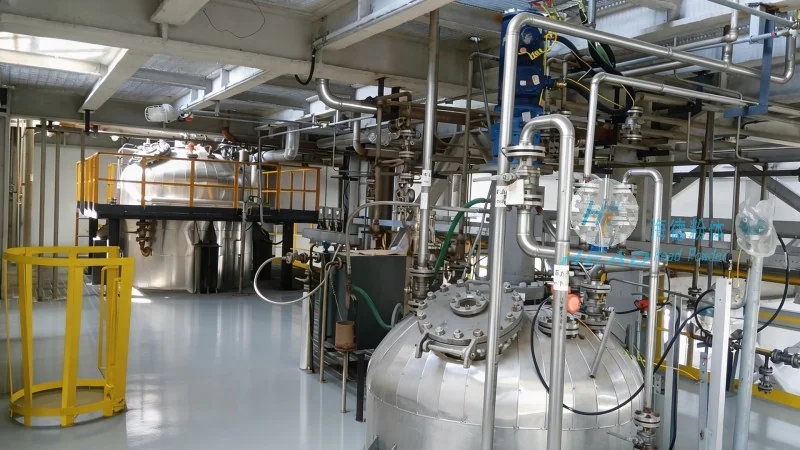
Diverse Application Scenarios and Operational Characteristics
Alumina hydroxide material handling is applied across a range of industrial settings, each with unique operational demands. In the ceramics industry, alumina hydroxide is used as a raw material for producing high-quality ceramic products. Handling systems in this sector must ensure consistent material quality and prevent contamination from other substances. In pharmaceutical applications, the material is processed under stringent conditions to meet regulatory standards. Here, material handling systems incorporate advanced filtration and cleaning mechanisms to maintain product purity. Water treatment facilities also rely on alumina hydroxide for coagulation and flocculation processes. The handling systems in these applications must be capable of handling high volumes of material while adhering to safety and environmental compliance requirements.
Enhancing Operational Efficiency Through Process Optimization
Efficient alumina hydroxide material handling is critical for optimizing production processes and reducing operational costs. Proper equipment selection and regular maintenance are essential to minimize downtime and ensure consistent material flow. Advanced control systems, such as PLC-based systems, are often integrated into material handling setups to monitor and adjust parameters in real-time. This enables real-time optimization of material transport, reducing energy consumption and improving overall productivity. Additionally, implementing preventive maintenance schedules for conveyor belts, screw mechanisms, and pneumatic components helps prevent wear and tear, thereby extending equipment lifespan and reducing maintenance expenses.
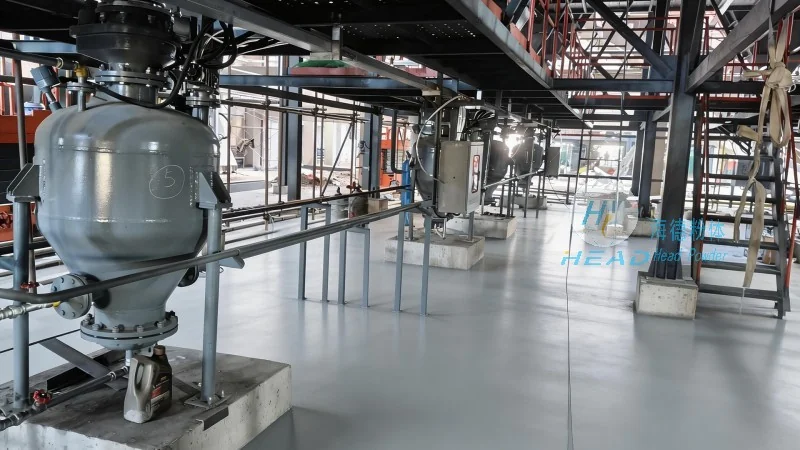
Environmental and Safety Considerations in Handling
Handling alumina hydroxide involves significant environmental and safety considerations. The fine nature of the material can generate dust, posing health risks to workers and environmental hazards if not properly managed. Therefore, dust control measures, including enclosed systems, ventilation, and dust collection equipment, are integral to material handling operations. Safety protocols, such as the use of personal protective equipment (PPE) for workers and regular inspections of handling equipment, are also essential to prevent accidents and ensure compliance with safety regulations. Companies like Shandong HeadPowder Engineering Co., Ltd. specialize in providing customized material handling solutions that address these considerations, ensuring safe and efficient operations while minimizing environmental impact.
Conclusion
In conclusion, the principles and application scenarios of alumina hydroxide material handling revolve around the efficient, safe, and cost-effective transport of this critical industrial material. By understanding the unique properties of alumina hydroxide and implementing appropriate handling technologies, industries can enhance their operational performance and meet the demands of modern production processes. Companies like Shandong HeadPowder Engineering Co., Ltd. play a vital role in delivering tailored solutions that support these objectives, contributing to the overall success of alumina hydroxide-based operations and ensuring sustainable industrial practices.