

Principle and Working Scene Characteristics of Ammonium Chloride Material Handling Systems
Shandong HeadPowder Engineering Co., Ltd., a professional manufacturer based in Shandong, China, specializes in the design, development, and implementation of advanced material handling systems tailored for the transportation of ammonium chloride. This article provides an in-depth exploration of the core principles underlying such systems and highlights the distinctive characteristics of their operational environments.
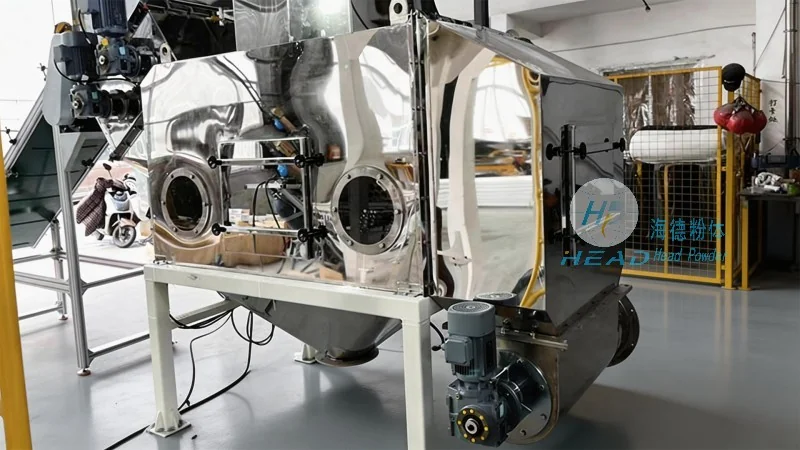
System Overview and Working Principle
The ammonium chloride material handling system is engineered to efficiently transport granular or powdered ammonium chloride from storage silos or production lines to processing units or storage facilities. The system typically incorporates components such as feeders, conveyors, and control mechanisms that work in tandem to ensure seamless material flow. The working principle revolves around the controlled movement of the material through a series of mechanical and electrical processes, ensuring minimal loss, consistent flow rates, and optimal safety measures. Key elements include the use of specialized equipment like screw conveyors, belt conveyors, or pneumatic systems, each selected based on the specific characteristics of the ammonium chloride, including its particle size, moisture content, and bulk density.
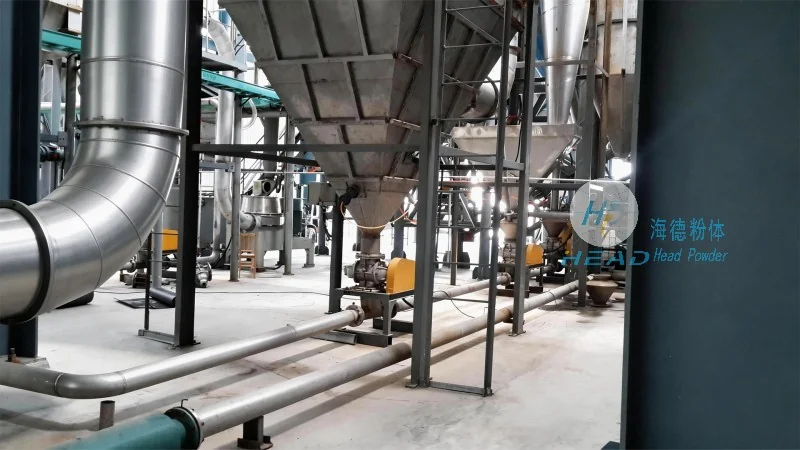
Key Working Scene Characteristics
The operational environments for ammonium chloride material handling systems exhibit several defining characteristics that influence system design and performance. Firstly, the material's chemical properties, such as its hygroscopic nature, require systems to incorporate moisture control measures to prevent clumping or caking, which could disrupt flow. Secondly, the system must be designed to handle varying bulk densities and flow rates, especially during start-up or shutdown phases, to maintain operational stability. Thirdly, safety considerations are paramount due to the material's potential reactivity and the need to prevent dust explosions, necessitating explosion-proof components and proper ventilation systems. Additionally, the system's integration with existing industrial infrastructure, including storage silos and processing equipment, demands precise alignment and compatibility to ensure smooth workflow and minimal downtime.
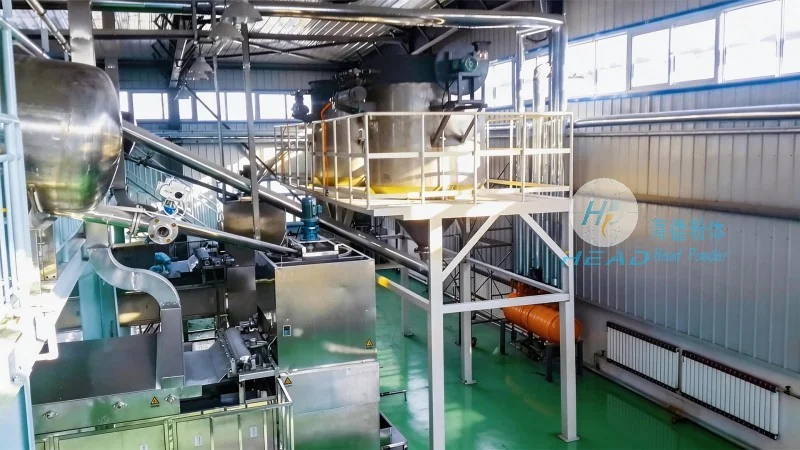
Typical Application Scenarios
Ammonium chloride material handling systems are widely employed across various industrial sectors, including chemical manufacturing, fertilizer production, and food processing. In chemical manufacturing, these systems facilitate the transfer of ammonium chloride from production reactors to storage tanks or packaging lines, ensuring a continuous supply for downstream processes. In fertilizer production, the system plays a critical role in moving ammonium chloride from bulk storage to blending and packaging units, supporting the efficient production of nitrogen-based fertilizers. The systems are also utilized in food processing applications, where the material is used as a food additive, requiring strict adherence to hygiene standards and contamination control measures. Each application scenario demands tailored system configurations to meet specific operational requirements, such as varying material flow rates, storage capacities, and environmental conditions.
Advantages and Performance Metrics
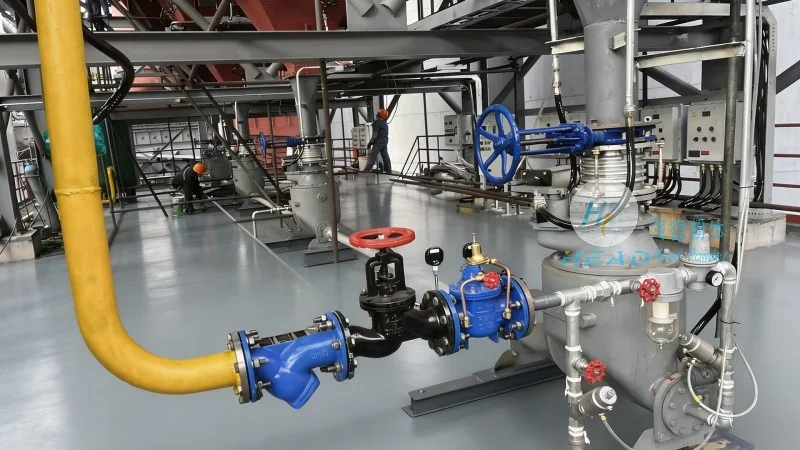
The advanced design of ammonium chloride material handling systems offers several advantages that enhance operational efficiency and reliability. These systems are engineered to achieve high throughput rates while maintaining consistent material flow, reducing the risk of bottlenecks or material buildup. The use of automated control systems enables real-time monitoring and adjustment of operational parameters, ensuring optimal performance under varying conditions. Furthermore, the integration of safety features, such as explosion-proof components and dust suppression systems, minimizes the risk of accidents and ensures compliance with industrial safety regulations. Performance metrics, including material recovery rates, energy consumption per ton of material transported, and system uptime, are typically optimized through rigorous testing and continuous improvement processes, reflecting the commitment to delivering high-quality solutions.
Conclusion
Shandong HeadPowder Engineering Co., Ltd. provides comprehensive solutions for ammonium chloride material handling systems, combining advanced engineering principles with practical operational insights. By understanding the unique characteristics of ammonium chloride and the demands of its working environments, the company designs systems that are not only efficient and reliable but also safe and cost-effective. These systems are essential for maintaining smooth operations in industries that rely on the consistent and safe transportation of ammonium chloride, supporting the broader goals of productivity and sustainability in industrial processes.