

Principles and Working Scene Characteristics of Air-Driven Material Handling for Waste Materials
HeadPowder, a leading engineering firm based in Shandong, China, specializes in the design and implementation of air-pneumatic conveying systems tailored for waste material handling. This article delves into the fundamental principles behind air-driven material transport and highlights the key characteristics of working scenarios where such systems are most effectively applied.
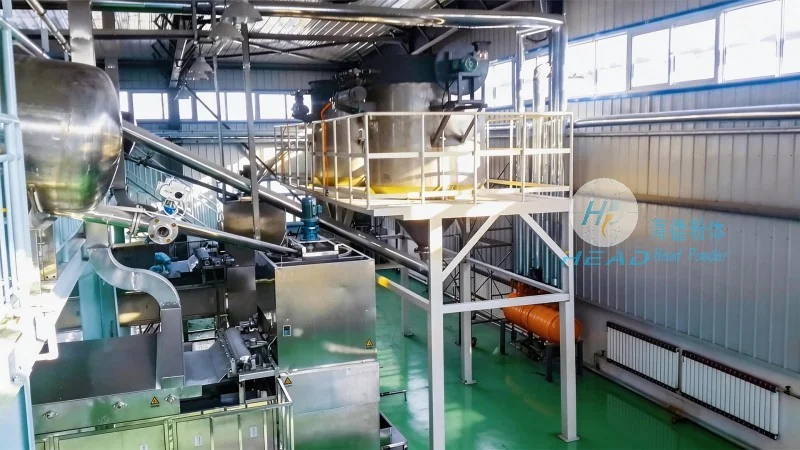
Understanding the Core Principles of Air-Pneumatic Conveying
The air-pneumatic conveying system operates on the principle of transporting bulk materials through a pipeline using a stream of air. This method, also known as pneumatic conveying, utilizes compressed air to create a pressure differential that propels the material from the source to the destination. The system typically consists of a hopper for material storage, a blower or compressor to generate airflow, and a pipeline network that guides the material. The choice of conveying type—such as dilute-phase or dense-phase—depends on factors like material properties, distance, and required flow rate. Dilute-phase systems use higher air velocities to move materials in a suspended state, while dense-phase systems employ lower velocities to push material in a plug-like formation, minimizing particle degradation and system wear.
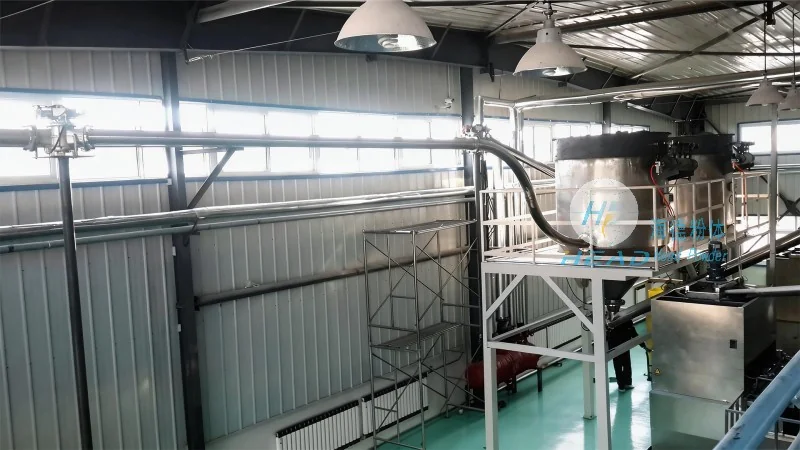
Key Working Scene Characteristics of Air-Pneumatic Conveying for Waste Materials
When applied to waste material handling, air-pneumatic conveying systems exhibit distinct characteristics that make them ideal for specific operational environments. One primary advantage is the ability to handle a wide variety of waste types, including municipal solid waste, industrial byproducts, and recyclable materials, without the need for mechanical components that could become clogged or damaged by abrasive particles. The enclosed pipeline system also enhances safety by containing dust and odors, reducing environmental impact and improving workplace conditions. Additionally, these systems offer flexibility in layout, allowing materials to be transported vertically, horizontally, or in a combination of both, adapting to the spatial constraints of waste management facilities. The efficiency of air-pneumatic conveying is further amplified by its ability to integrate with automated sorting and processing equipment, enabling seamless material flow from collection to treatment or disposal.
Application Scenarios and Operational Benefits
HeadPowder’s air-pneumatic conveying solutions are deployed in diverse working scenes, each tailored to meet the unique demands of waste management operations. For instance, in municipal waste transfer stations, the system efficiently transports collected waste from trucks to storage silos, reducing manual handling and labor costs. In industrial settings, such as manufacturing plants or recycling facilities, the technology is used to convey recyclable materials like plastic, paper, or metal from sorting lines to processing equipment, ensuring a continuous and clean material flow. The system’s ability to handle high volumes of material at a consistent rate makes it suitable for large-scale waste processing plants, where reliability and throughput are critical. Furthermore, the low maintenance requirements of air-pneumatic systems, coupled with their energy efficiency compared to traditional mechanical conveyors, contribute to long-term operational cost savings for waste management operations.
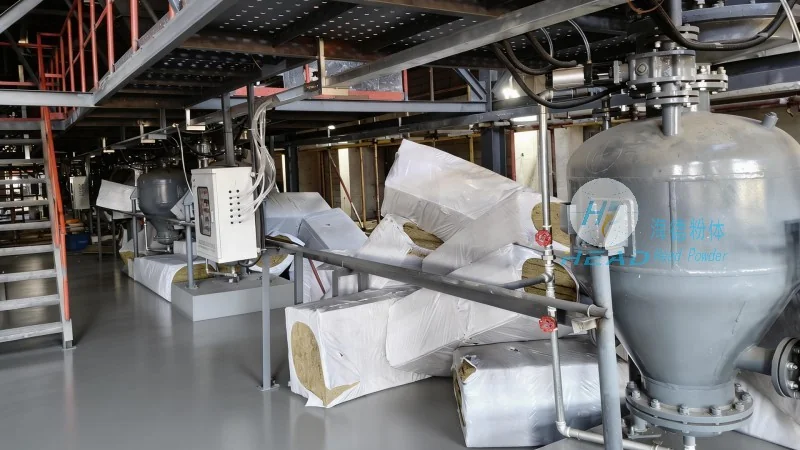
Conclusion: The Role of Air-Pneumatic Conveying in Modern Waste Management
As a specialized engineering company, HeadPowder continues to advance the application of air-pneumatic conveying technology in waste material handling. By leveraging the fundamental principles of pneumatic transport and adapting them to the specific characteristics of waste materials, the company provides customized solutions that enhance operational efficiency, improve safety, and reduce environmental impact. The working scene characteristics of these systems—flexibility, enclosed transport, and integration with automated processes—make them a preferred choice for modern waste management facilities seeking sustainable and effective material handling solutions. With a strong presence in Shandong, China, HeadPowder remains committed to delivering innovative engineering solutions that address the evolving challenges of waste management, ensuring that air-pneumatic conveying remains a cornerstone of efficient and responsible waste handling practices.