

Principles and Working Scene Characteristics of Pneumatic Conveying for Fibrous Materials
Understanding the principles and working scene characteristics of pneumatic conveying for fibrous materials is crucial for industries that handle such materials efficiently and safely. This article explores the core mechanisms behind this technology and highlights its practical applications in various industrial settings, emphasizing the expertise of Shandong HeadPowder Engineering Co., Ltd. in delivering tailored solutions.
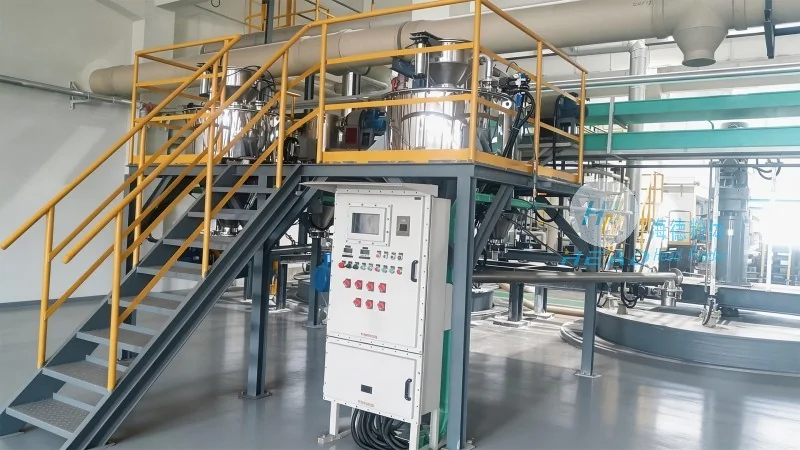
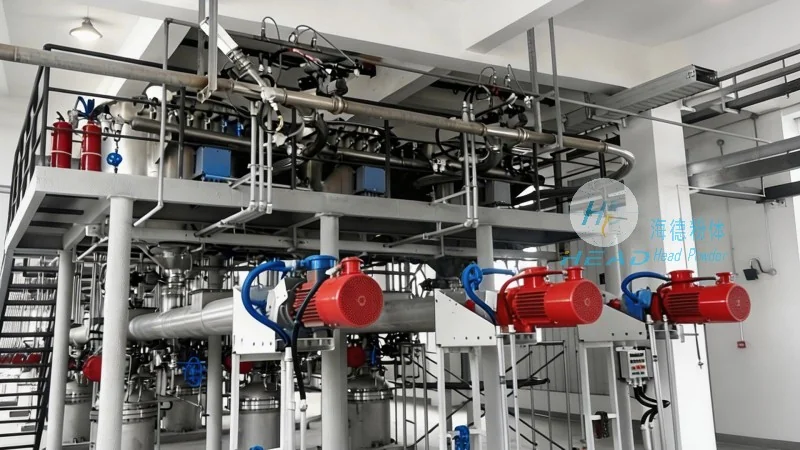
The Fundamental Principles of Pneumatic Conveying
Pneumatic conveying for fibrous materials involves the transport of material particles through a pipeline using a gas stream, typically air. The process operates on the principle of using pressure or vacuum to move the material from the source to the destination. In pressure systems, a positive pressure is generated at the inlet, often by a blower or compressor, pushing the material through the pipeline. This method is suitable for short to medium distances and can handle a wide range of material types, including fibrous materials that are prone to clogging. Vacuum systems, conversely, create a negative pressure at the receiving end, drawing material from the source into the pipeline. These systems are ideal for longer distances or when the material needs to be collected from multiple points. The choice between pressure and vacuum systems depends on factors such as the material's properties, the distance to be covered, and the required throughput. For fibrous materials, which can be abrasive and have irregular shapes, the design of the conveying system must consider the potential for wear and blockages. Proper selection of components, such as the type of airlock, cyclone separator, and pipeline material, is essential to ensure the longevity and efficiency of the system.
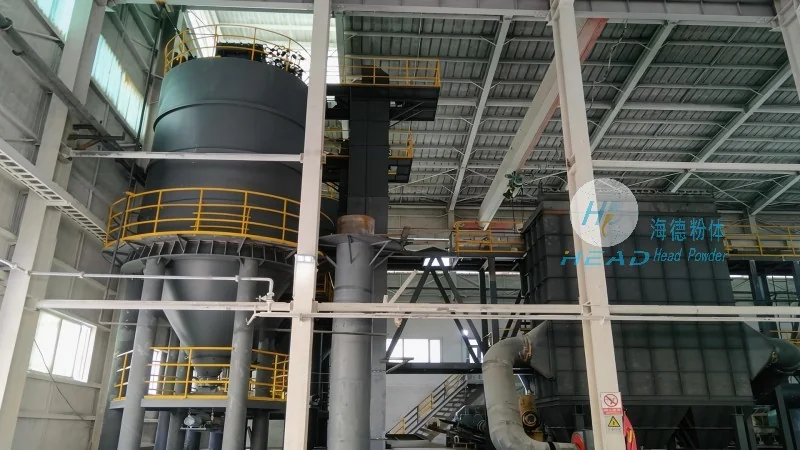
Key Working Scene Characteristics
The effectiveness of pneumatic conveying for fibrous materials is influenced by several working scene characteristics that vary across different industrial applications. One critical factor is the material's bulk density and flowability. Fibrous materials often have low bulk density and can form agglomerates, which affect how they move through the pipeline. The conveying velocity and pressure drop are also key considerations. High velocities can lead to increased energy consumption and potential damage to the material, while low velocities may result in clogging. Additionally, the length and layout of the conveying line, including bends and vertical lifts, impact the system's performance. Proper design of the pipeline, including the use of appropriate fittings and cleaning mechanisms, is essential to maintain efficiency and prevent blockages. In industrial settings, these characteristics are carefully evaluated to optimize the conveying process and minimize downtime. For example, in the paper and pulp industry, fibrous materials like wood chips or pulp are commonly conveyed using pneumatic systems, where the design must account for the material's moisture content and potential for fiber matting. Similarly, in the textile industry, fibrous materials such as cotton or synthetic fibers are handled with specialized systems that prevent fiber breakage and ensure consistent flow. The working scene characteristics also include the environmental conditions, such as temperature and humidity, which can affect the material's properties and the system's performance. HeadPowder's systems are designed to operate under various environmental conditions, ensuring reliable performance in different industrial settings.
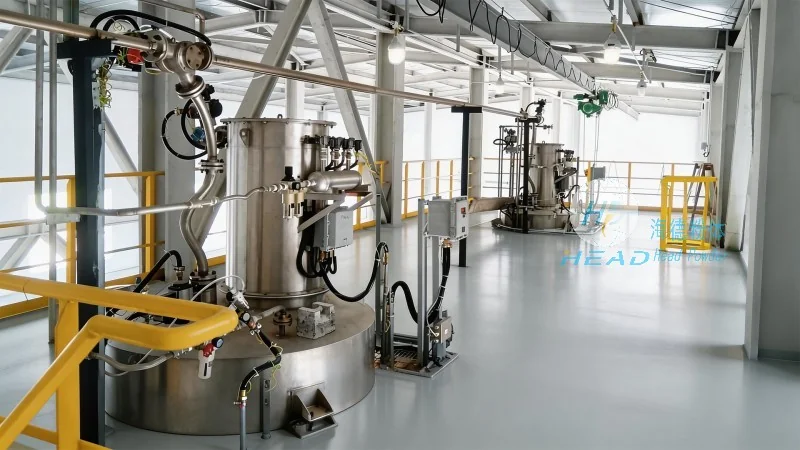
Company Profile: Shandong HeadPowder Engineering Co., Ltd.
Shandong HeadPowder Engineering Co., Ltd., commonly known as HeadPowder, is a leading provider of pneumatic conveying solutions tailored for fibrous materials. With a strong focus on engineering excellence and customer-centric service, the company has established itself as a trusted partner in the industry. HeadPowder's expertise lies in designing and manufacturing customized pneumatic conveying systems that meet the specific needs of clients across various sectors. The company's team of experienced engineers utilizes advanced technology and rigorous testing to ensure that each system is optimized for performance, reliability, and safety. HeadPowder's commitment to quality and innovation has enabled it to deliver solutions that enhance operational efficiency and reduce costs for its clients. Based in Shandong, China, HeadPowder leverages its local presence to provide timely support and after-sales services, ensuring long-term partnerships with its customers. The company's facilities are equipped with state-of-the-art equipment and a dedicated R&D team that continuously develops new technologies to improve the efficiency and sustainability of pneumatic conveying systems. HeadPowder's solutions are designed to be adaptable to changing industrial needs, ensuring that clients can benefit from the latest advancements in material handling technology. The company's approach to customer service includes comprehensive consultation, system design, installation, and maintenance, providing a full-cycle solution that meets the diverse requirements of its clients.