

Principle and Working Scene Characteristics of Pneumatic Conveying for Carbon Powder Materials
HeadPowder, a leading engineering company based in Shandong, China, specializes in the design and implementation of advanced pneumatic conveying systems tailored for carbon powder materials. This article delves into the fundamental principles behind these systems and highlights key working scene characteristics that define their effectiveness and applicability in various industrial settings.
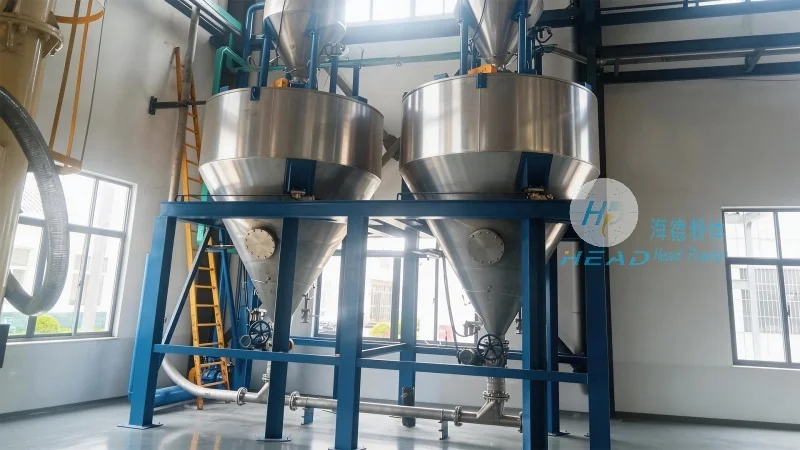
The Principle of Pneumatic Conveying for Carbon Powder Materials
Pneumatic conveying, also known as pneumatic transport, is a method of transporting bulk materials like carbon powders through a pipeline using a gas stream, typically air. The core principle involves creating a pressure differential within the system to move the material. There are two main types of pneumatic conveying systems: pressure and vacuum. In pressure systems, compressed air is used to push the material through the pipeline, while vacuum systems use a vacuum to pull the material from the source to the destination. For carbon powders, which often require gentle handling to prevent agglomeration or degradation, the choice of system type and operating parameters is critical. The system typically consists of a hopper or feeder to introduce the carbon powder, a conveying line, and a receiver or discharge point. The air flow rate and pressure are carefully controlled to ensure the material is transported efficiently without causing excessive wear or damage to the equipment. The design of the conveying line, including the use of bends, valves, and filters, is optimized to minimize pressure drop and maintain consistent material flow. This approach ensures that the carbon powder is moved safely and effectively, preserving its quality and properties throughout the process.
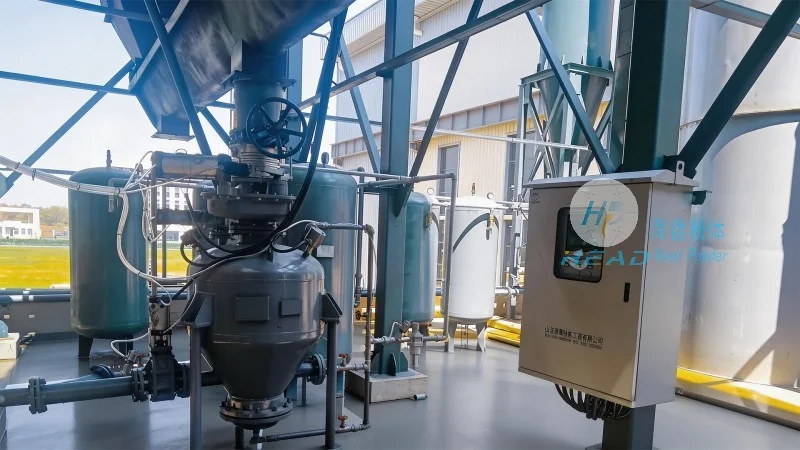
Key Working Scene Characteristics of Pneumatic Conveying Systems for Carbon Powder Materials
The effectiveness of pneumatic conveying systems for carbon powder materials is defined by several key characteristics that adapt to different industrial applications. First, the system's ability to handle fine powders without clogging or blockages is crucial. Carbon powders, especially those with high moisture content or tendency to stick together, require specialized equipment such as rotary valves, airlocks, and filter systems to maintain smooth operation. Second, the system's flexibility in terms of layout and integration with existing production lines is important. Many industrial facilities have limited space or specific spatial constraints, and the pneumatic conveying system can be customized to fit these requirements, with options for vertical, horizontal, or mixed configurations. Third, the system's energy efficiency and operational cost are significant factors. By optimizing air flow and pressure, the system minimizes energy consumption while maximizing material throughput, making it a cost-effective solution for long-term operation. Fourth, the system's ability to handle varying material properties is essential. Different types of carbon powders, such as graphite, carbon black, or activated carbon, may have different particle sizes, densities, and flow characteristics. The system design must account for these variations to ensure consistent performance. Finally, the system's reliability and maintenance requirements are critical for continuous operation. High-quality components, regular maintenance schedules, and robust control systems are essential to minimize downtime and ensure the system operates reliably over time.
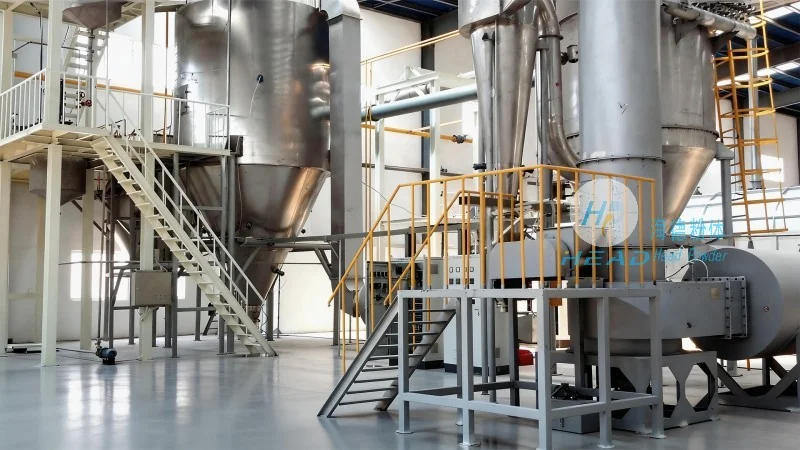
Application Scenarios and Practical Considerations
In industrial settings, the application of pneumatic conveying systems for carbon powder materials spans multiple sectors, including battery manufacturing, chemical processing, and metallurgy. For example, in battery production, carbon powders are used as anode materials, and the conveying system must ensure precise and contamination-free transport to maintain product quality. In chemical plants, carbon powders may be used as catalysts or additives, requiring systems that can handle high temperatures and corrosive environments. The working scene characteristics, such as the need for dust control and material purity, are paramount in these applications. Additionally, the system's scalability is a key consideration. As production volumes increase, the conveying system can be expanded or upgraded to meet higher throughput demands without significant disruption to operations. This scalability ensures that the system remains effective as the business grows. Another practical consideration is the integration with other process equipment. The pneumatic conveying system often connects with mixers, reactors, or storage tanks, and the design must ensure seamless material transfer and avoid cross-contamination. This integration is critical for maintaining the efficiency and safety of the overall production line. Finally, the environmental impact of the system is an important factor. Modern pneumatic conveying systems are designed to minimize dust emissions and energy consumption, aligning with environmental regulations and sustainability goals. By using efficient filtration and air recovery systems, the environmental footprint of the operation is reduced, making the system not only effective but also responsible.
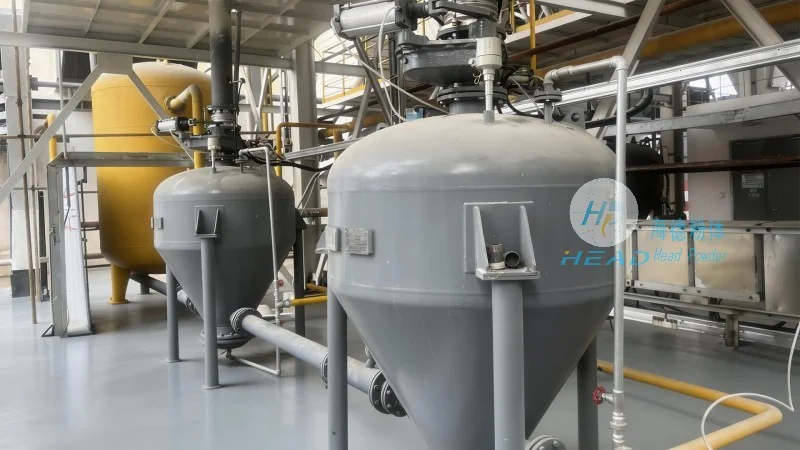
Conclusion and Company Expertise
HeadPowder Engineering Co., Ltd., with its headquarters in Shandong, China, leverages decades of experience in engineering and material handling to provide customized pneumatic conveying solutions for carbon powder materials. The company's expertise lies in understanding the unique properties of carbon powders and designing systems that meet the specific requirements of each application. By focusing on the fundamental principles of pneumatic transport and optimizing working scene characteristics, HeadPowder ensures that its clients achieve efficient, reliable, and cost-effective material handling solutions. Whether for small-scale laboratory applications or large-scale industrial production, the company's systems are built to deliver consistent performance and support the long-term success of its clients in the carbon powder industry.