

Principle and Working Scenario Characteristics of Tonne Bag Quantitative Feeding Material Pneumatic
HeadPowder, a reputable engineering firm headquartered in Shandong, China, specializes in developing advanced material handling solutions tailored to meet the demands of modern industrial processes. Among their innovative offerings is the tonne bag quantitative feeding pneumatic conveying system, a technology designed to efficiently and accurately transfer bulk materials from storage bags into processing equipment. This system is particularly valuable for industries that require precise material dosing, consistent feed rates, and reliable material transport, as it directly addresses common challenges such as material waste, overfeeding, and underfeeding that can impact production quality and operational efficiency.
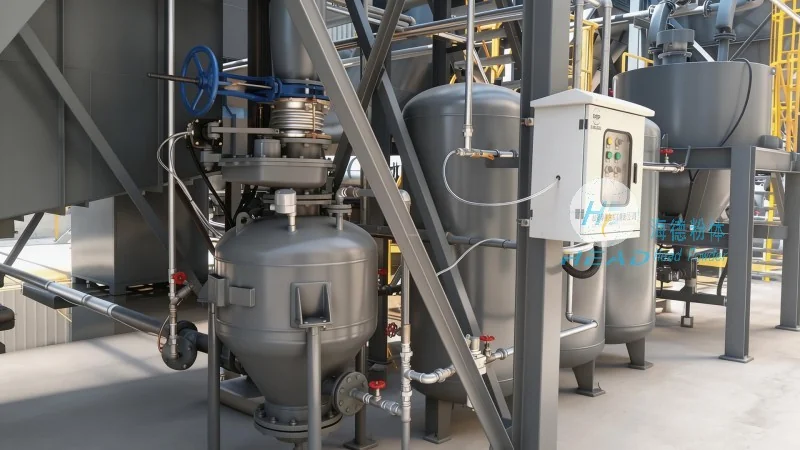
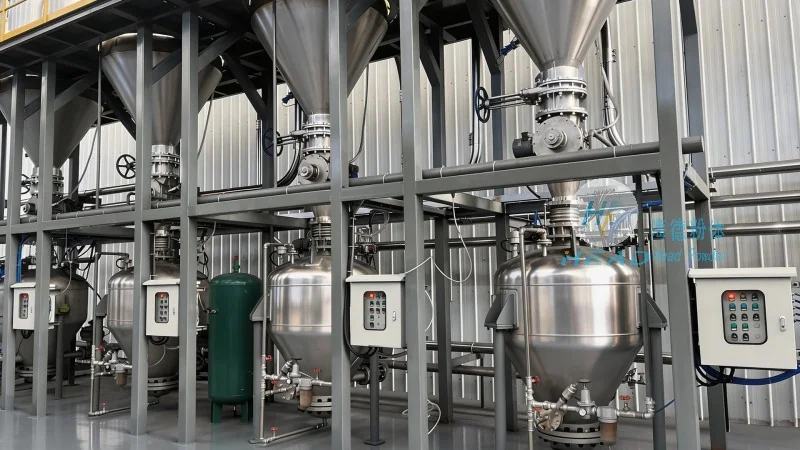
The Principle of Tonne Bag Quantitative Feeding Pneumatic Conveying
The tonne bag quantitative feeding pneumatic conveying system operates on the fundamental principle of pneumatic transport, where materials are conveyed through a pipeline using air pressure. The process begins with the opening of a bulk bag (tonne bag) and the controlled discharge of material into a hopper or feeder. The core of the system is the quantitative feeding mechanism, which integrates precision measurement and control technologies to regulate the flow rate of material from the bag. This mechanism typically includes pressure sensors, flow meters, and control valves that work in coordination to maintain a consistent feed rate. The system ensures that the material is discharged from the bag at a pre-determined quantity, minimizing waste and preventing fluctuations in the feed rate. Once the material is in the feeder, the pneumatic conveying component takes over, transporting the material to the processing unit. The air pressure within the pipeline propels the material, maintaining its integrity and reducing the risk of contamination or degradation. The combination of precise dosing and pneumatic transport makes this system an efficient solution for bulk material handling.
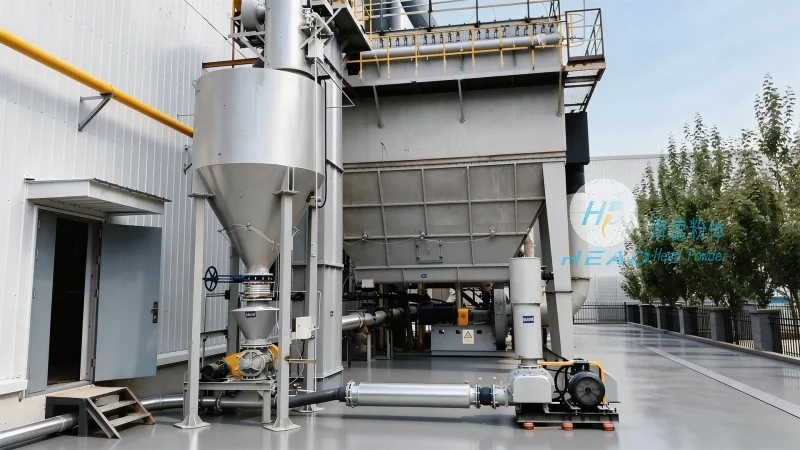
Working Scenario Characteristics of the System
The tonne bag quantitative feeding pneumatic conveying system is optimized for industrial applications where bulk materials are stored in tonne bags and need to be fed into processing equipment with high accuracy. Key characteristics that define its performance include: precise material dosing, which is critical for processes that require exact material ratios, such as chemical synthesis, food production, or pharmaceutical manufacturing. The system’s ability to handle a wide variety of materials, ranging from fine powders to coarse granules, makes it versatile across multiple industries. Another significant characteristic is its reliability and low maintenance requirements. The pneumatic conveying design minimizes mechanical wear and reduces the need for frequent maintenance, leading to lower operational costs and higher system uptime. Additionally, the system is designed for flexibility, allowing for easy integration with existing production lines and adaptation to different bag sizes and material types. This adaptability is essential for companies that may need to switch between different materials or bag configurations without extensive modifications to the system. The system also ensures material safety and hygiene, as the pneumatic transport reduces direct human contact with the material and maintains a controlled environment.
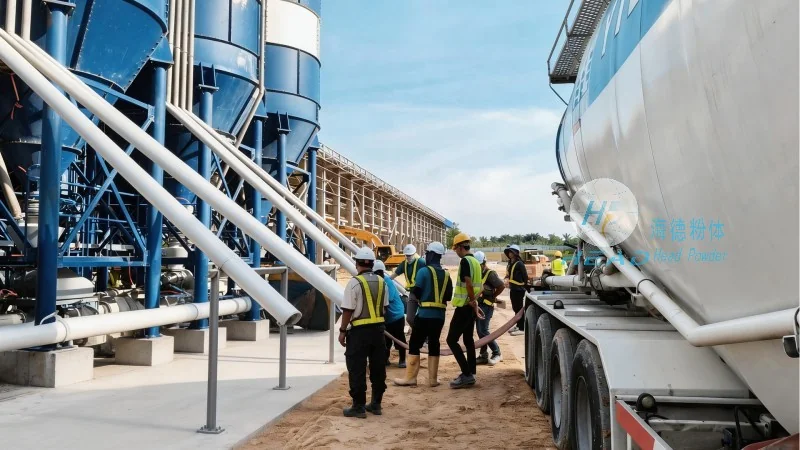
Application Examples and Industry Benefits
HeadPowder’s tonne bag quantitative feeding pneumatic conveying system has been successfully deployed in various industries, showcasing its effectiveness and reliability. In the chemical industry, the system is used to feed raw materials into reactors with precise dosing, ensuring consistent product quality and preventing process variations. For example, in the production of fertilizers, the system accurately feeds nitrogen, phosphorus, and potassium compounds, maintaining the desired nutrient ratios for the final product. In the food processing sector, the system handles ingredients like flour, sugar, or spices, providing accurate ingredient ratios for product consistency. The pharmaceutical industry also benefits from this technology, as it allows for the controlled feeding of active pharmaceutical ingredients (APIs) and excipients, meeting stringent regulatory requirements for material purity and dosage accuracy. The overall benefits of implementing this system include improved production efficiency, reduced material waste, enhanced product quality, and lower operational costs. By automating the material feeding process, companies can streamline their operations, reduce labor costs, and focus on core production activities, leading to increased profitability and competitive advantage. The system also contributes to environmental sustainability by minimizing material spillage and reducing the need for manual handling, which can lead to better workplace safety and compliance with environmental regulations.