

Principle and Working Scene Characteristics of Clay Sand Material Pneumatic Conveying Lines
HeadPowder, a leading engineering company based in Shandong, China, specializes in the design, manufacturing, and implementation of advanced pneumatic conveying systems. This article explores the fundamental principles behind clay sand material pneumatic conveying lines and highlights the key characteristics of their operational environments.
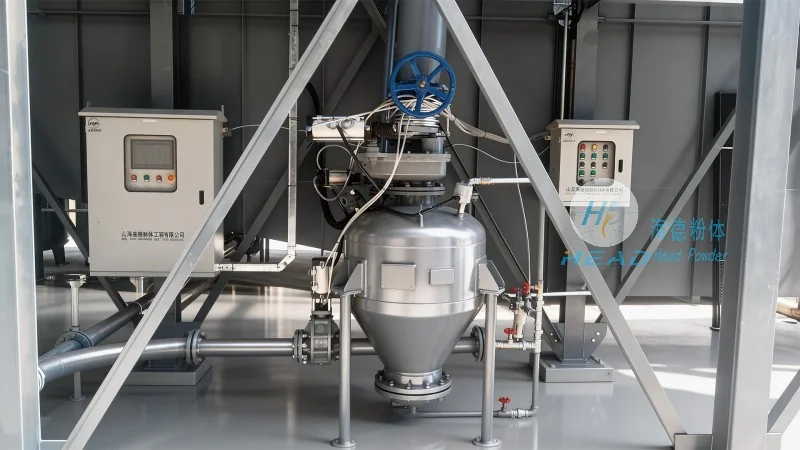
The Principle of Pneumatic Conveying for Clay Sand Materials
Pneumatic conveying systems utilize air or gas to transport bulk materials like clay sand through a pipeline network. The core principle involves creating a pressure differential that propels the material forward. In a typical system, a blower or compressor generates airflow, which is directed into a hopper containing the clay sand. As air flows through the material, it lifts and transports the particles through the pipeline. The system can operate under either positive or negative pressure, depending on the specific application requirements. Positive pressure systems push the material through the line, while negative pressure systems draw it in, often used for dust collection and material recovery. The efficiency of the conveying process is influenced by factors such as air velocity, material density, and particle size. Proper design ensures that the air velocity is sufficient to overcome the gravitational forces acting on the particles, preventing blockages and ensuring smooth material flow.
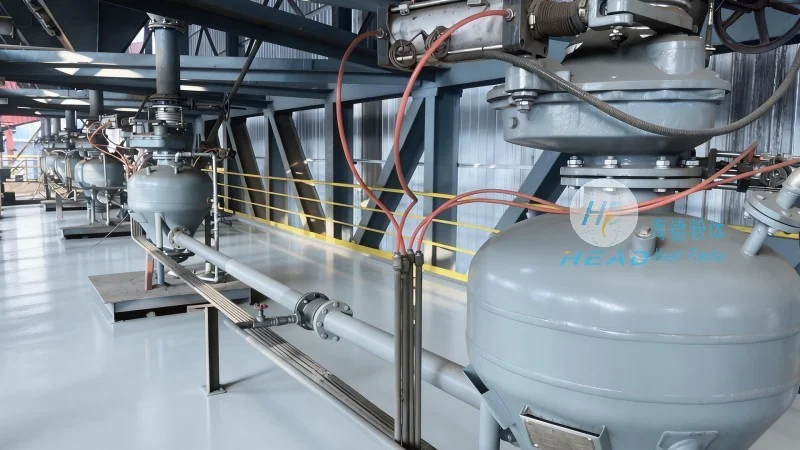
Working Scene Characteristics of Clay Sand Pneumatic Conveying Lines
The operational environments for clay sand pneumatic conveying lines are characterized by several key features that impact system performance and maintenance. First, the material properties of clay sand, including its moisture content and particle size distribution, play a critical role. High moisture content can lead to caking or agglomeration, which may require additional drying or conditioning steps before conveyance. Particle size variations can affect the air velocity needed for effective transport, as finer particles may require higher velocities to prevent settling. Second, the system's layout and infrastructure are tailored to the specific industrial setting. For example, in foundries or casting plants, the conveying line may need to integrate with existing production equipment, such as mixers or molding machines. The design must account for the distance between the material source and the destination, ensuring that the pressure drop across the pipeline remains within acceptable limits to maintain consistent flow rates. Third, safety and environmental considerations are paramount. Pneumatic conveying systems can generate dust, which may require dust collection and filtration systems to comply with environmental regulations. Additionally, the system must be designed to prevent material leakage or air leaks, as these can lead to operational inefficiencies and safety hazards. Regular maintenance, including cleaning of pipelines and checking for wear on components, is essential to ensure long-term reliability and minimize downtime.
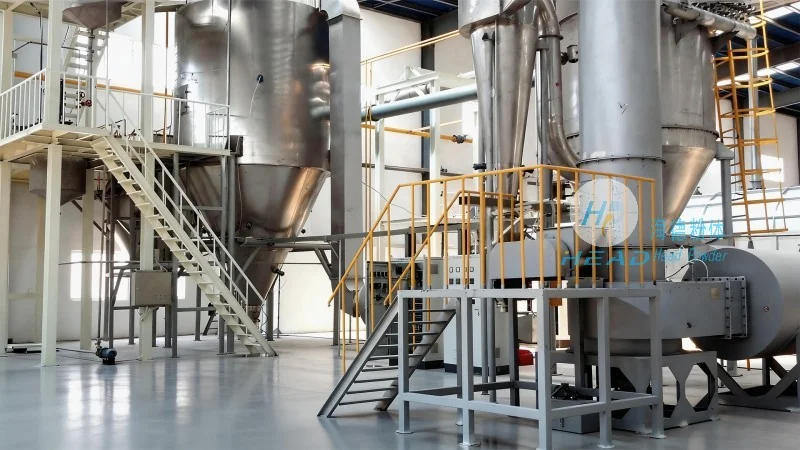
Applications and Industry Use Cases
Clay sand pneumatic conveying lines are widely used in various industrial sectors, including foundry production, construction material processing, and chemical manufacturing. In foundries, these systems are crucial for transporting clay sand from storage silos to molding machines, ensuring a consistent supply of material for the casting process. The ability to handle large volumes of material efficiently reduces labor costs and improves production throughput. In construction material processing, the systems are used to convey clay sand from quarries or storage facilities to processing plants, where it may be used in the production of bricks, tiles, or other building materials. The flexibility of pneumatic conveying allows for the integration of multiple material sources and destinations, making it suitable for complex production lines. In chemical manufacturing, clay sand may be used as a filler or raw material in the production of various products, and the conveying system ensures that the material is delivered to the processing equipment without contamination or loss.
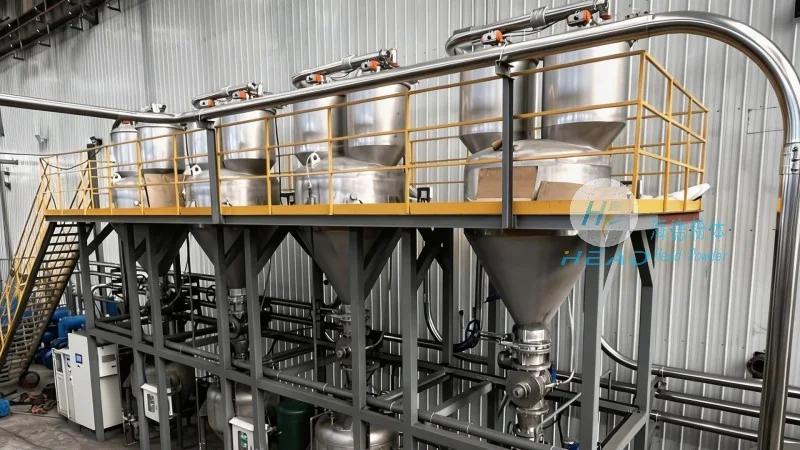
Conclusion and Company Expertise
HeadPowder Engineering Co., Ltd., with its headquarters in Shandong, China, leverages decades of experience in engineering and material handling to provide customized pneumatic conveying solutions for clay sand applications. By understanding the unique properties of clay sand and the specific requirements of each operational environment, the company designs systems that optimize performance, efficiency, and safety. The principles of pneumatic conveying, combined with advanced engineering techniques, enable the reliable transport of clay sand in diverse industrial settings. As a trusted partner in material handling, HeadPowder continues to innovate and deliver solutions that meet the evolving needs of its clients, ensuring that clay sand material pneumatic conveying lines remain a cornerstone of efficient industrial operations.