

Principle and Working Scene Characteristics of Stone Coal Material Pneumatic Conveying Lines
For industrial applications involving the handling of stone coal material, efficient and reliable material transport is crucial. Pneumatic conveying lines, specifically designed for such bulk materials, offer a solution that integrates advanced engineering principles with practical operational benefits. This article explores the fundamental principles behind stone coal material pneumatic conveying systems and highlights the key characteristics of their working scenes, providing insights into how these systems enhance operational efficiency in various industrial settings.
Understanding the Core Principle of Pneumatic Conveying for Stone Coal
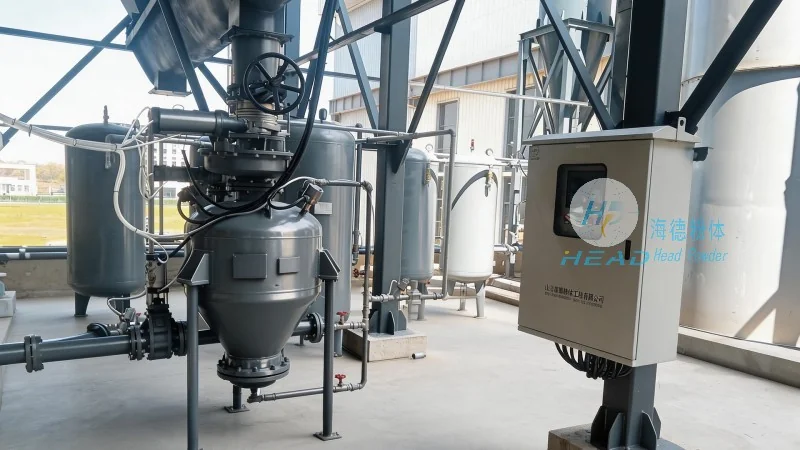
The principle of pneumatic conveying for stone coal material relies on the use of air as the medium to transport solid particles. This method, also known as pneumatic transport, operates by creating a pressure differential within a pipeline system. By injecting air into the material, the particles are suspended and carried through the pipeline to the destination. The system typically consists of a hopper for material storage, a blower or compressor to generate the necessary air pressure, and a pipeline network that guides the material flow. The design of the conveying line is tailored to the specific properties of stone coal, such as particle size, density, and moisture content, ensuring optimal performance and minimal material degradation.
Key Components and Their Functions in Stone Coal Pneumatic Conveying Systems
Several critical components work in tandem to ensure the smooth operation of a stone coal pneumatic conveying line. The hopper serves as the primary storage unit, where raw stone coal is loaded. It is equipped with a feeder mechanism, often a rotary valve or a screw feeder, which regulates the flow of material into the pipeline. The feeder controls the rate of material discharge, preventing overloading and ensuring consistent air-mass ratios. The blower or compressor is the heart of the system, providing the necessary pressure to move the material. It can be either positive displacement or centrifugal, depending on the system requirements and material characteristics. The pipeline network, made of materials like stainless steel or PVC, is designed to withstand the pressure and abrasion caused by the stone coal particles. Additionally, the system includes filters and cyclones to separate the material from the air at the receiving end, ensuring that the conveyed material is clean and free from contaminants.
Working Scene Characteristics: Application in Industrial Settings
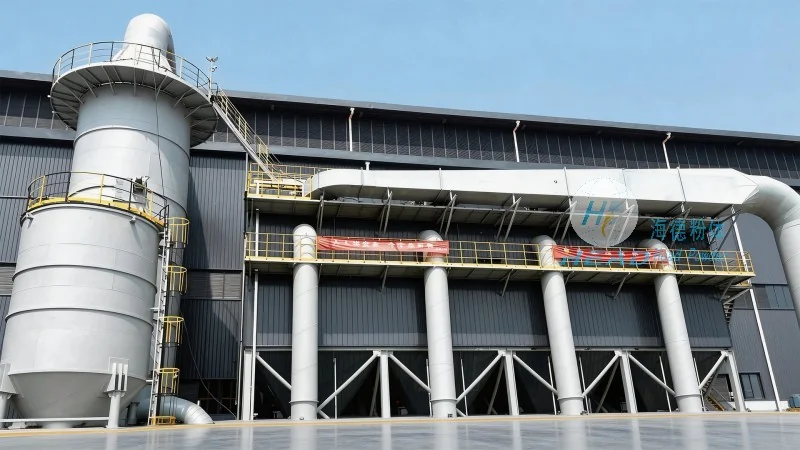
The working scene characteristics of stone coal pneumatic conveying lines are defined by their adaptability to diverse industrial environments. These systems are commonly used in mining operations, where they transport crushed stone coal from processing plants to storage facilities or for further processing. In power plants, they are employed to move stone coal from stockpiles to boilers, ensuring a continuous fuel supply. The characteristics of the working scene include high material throughput, often ranging from several tons per hour to several hundred tons per hour, depending on the system capacity. The systems are designed to operate in harsh conditions, with considerations for dust control and noise reduction, making them suitable for both indoor and outdoor applications. The flexibility of the conveying line allows for horizontal, vertical, or inclined transport, adapting to the layout of the industrial facility. This adaptability is a key advantage, as it enables the integration of the system into existing infrastructure without major modifications.
Advantages and Operational Benefits in Practical Applications
Stone coal material pneumatic conveying lines offer several advantages that make them a preferred choice in industrial applications. One of the primary benefits is the ability to transport material over long distances with minimal energy consumption compared to traditional methods like belt conveyors or trucks. The system is also highly efficient in terms of space utilization, as the pipeline can be installed in a compact manner, saving valuable floor space in industrial facilities. Furthermore, the enclosed nature of the system reduces dust emissions, improving workplace safety and environmental compliance. The continuous operation of the system ensures a steady flow of material, reducing downtime and increasing overall productivity. The system's ability to handle a wide range of particle sizes and moisture contents makes it versatile, suitable for various stone coal types. Additionally, the maintenance requirements are relatively low, with regular checks on the blower, feeder, and pipeline components ensuring long-term reliability.
Case Study: Application in a Coal Processing Plant by Shandong HeadPowder Engineering Co., Ltd.
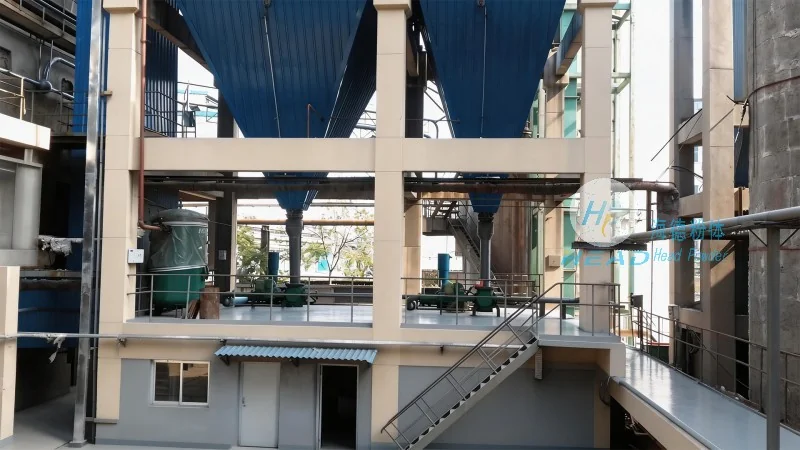
Shandong HeadPowder Engineering Co., Ltd., a leading provider of material handling solutions, has successfully implemented a stone coal pneumatic conveying line in a coal processing plant. The plant, located in Shandong, China, required an efficient system to transport crushed stone coal from the crushing and screening unit to the storage silo. The system, designed by HeadPowder, featured a 200-ton per hour capacity, with a horizontal pipeline of 500 meters in length and a vertical lift of 30 meters. The system utilized a positive displacement blower to generate the necessary pressure, and a rotary valve feeder to control the material flow. The pipeline was constructed from stainless steel to withstand the abrasive nature of the stone coal. The cyclone separator at the receiving end effectively separated the material from the air, ensuring a clean product. The implementation of the system resulted in a 30% reduction in material handling time and a 20% decrease in labor costs. The plant operators reported improved safety due to the enclosed system, which minimized dust exposure. This case study exemplifies the effectiveness of stone coal pneumatic conveying lines in enhancing operational efficiency and productivity in industrial settings.
Conclusion: The Role of Pneumatic Conveying in Modern Material Handling
In conclusion, stone coal material pneumatic conveying lines represent a sophisticated solution for the efficient transport of bulk materials in industrial applications. The principles underlying these systems, combined with their working scene characteristics, make them a reliable and versatile choice for various industries. The components and design considerations ensure optimal performance, while the operational benefits, such as energy efficiency, space savings, and reduced dust emissions, contribute to improved productivity and safety. As industrial demands for efficient material handling continue to grow, pneumatic conveying systems, particularly those tailored for stone coal, will remain a critical component in modern industrial operations. The success of such systems, as demonstrated by companies like Shandong HeadPowder Engineering Co., Ltd., underscores their importance in meeting the evolving needs of the industry.