

Principle and Working Scene Characteristics of PVC Granule Material Pneumatic Conveying Lines
For industries dealing with PVC granules, efficient and reliable material handling is crucial. The pneumatic conveying line for PVC granules offers a solution that combines advanced technology with practical application, ensuring smooth material transport from source to destination. This article explores the underlying principles of such systems and highlights key working scene characteristics that make them suitable for various industrial environments.
Understanding the Pneumatic Conveying Principle for PVC Granules
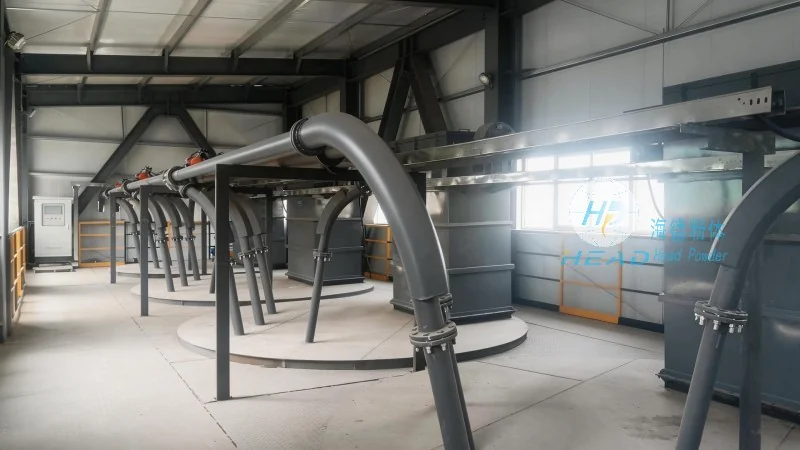
The core principle of PVC granule pneumatic conveying involves using compressed air to transport particles through a pipeline system. Unlike traditional mechanical conveyors, this method relies on air pressure and velocity to move the material. As air is introduced into the conveying line, it creates a flow that lifts and propels the PVC granules forward. The system typically consists of a hopper for material storage, a blower or compressor to generate air pressure, and a pipeline network that directs the flow to the discharge point. This approach eliminates the need for moving parts in contact with the material, reducing wear and maintenance requirements while ensuring a clean and hygienic transfer process, which is particularly important for PVC granules used in manufacturing applications.
Key Working Scene Characteristics of PVC Granule Pneumatic Conveying Lines
One of the most significant advantages of PVC granule pneumatic conveying lines is their adaptability to diverse industrial settings. These systems are designed to handle various particle sizes and densities of PVC granules, making them suitable for applications ranging from small-scale production lines to large-scale industrial operations. The flexibility in pipeline configuration allows for customized layouts that fit the specific spatial constraints of a facility, whether it's a compact factory floor or a sprawling industrial complex. Additionally, the system's ability to transport materials over long distances without intermediate storage points enhances operational efficiency, reducing downtime and material handling costs.
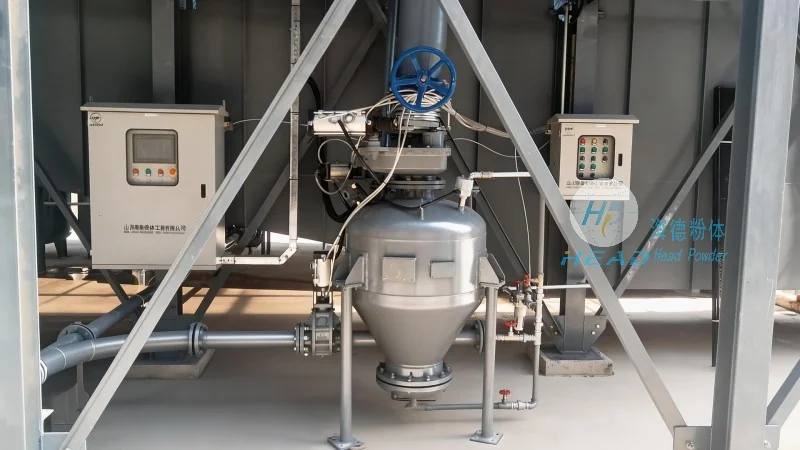
Another critical characteristic is the system's ability to maintain consistent material flow rates. By controlling air pressure and velocity, operators can regulate the speed at which PVC granules are conveyed, ensuring that the receiving equipment receives the material at the optimal rate. This control is essential for processes that require precise material delivery, such as in the production of PVC products where uniform material composition is vital. The pneumatic conveying line also offers a high degree of safety, as it minimizes human exposure to the material during transport and reduces the risk of dust accumulation, which is a common concern in PVC processing environments.
Applications and Operational Benefits in Real-World Scenarios
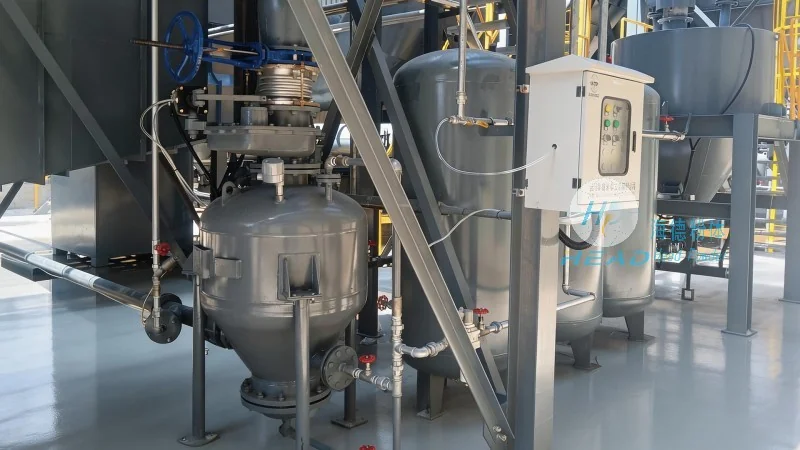
In real-world industrial scenarios, PVC granule pneumatic conveying lines are widely used in manufacturing plants that produce PVC products such as pipes, sheets, and profiles. For example, in a PVC pipe manufacturing facility, the system efficiently transports granules from storage silos to the extrusion machines, where they are melted and formed into the final products. The smooth operation of the pneumatic line ensures a continuous supply of material, preventing production bottlenecks and maintaining high output levels. Similarly, in a PVC sheet production line, the system can handle the transfer of granules from raw material storage to the mixing and extrusion stages, contributing to a streamlined production process.
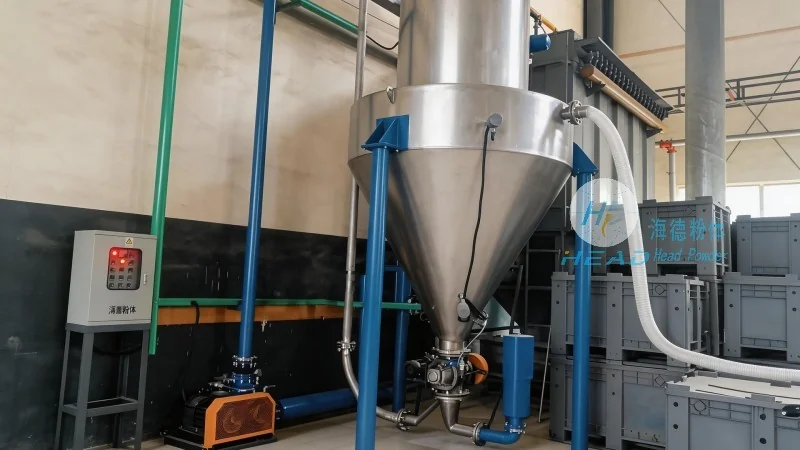
The operational benefits extend beyond material transport efficiency. The reduced maintenance requirements of pneumatic systems compared to mechanical conveyors result in lower operational costs over time. Since there are no moving parts in direct contact with the PVC granules, the risk of material contamination is minimized, which is crucial for industries where product purity is a priority. Furthermore, the system's ability to handle dusty or fine particles without clogging the pipeline makes it ideal for PVC granules that may have varying particle characteristics. This adaptability ensures that the conveying line can operate effectively even with changes in material properties, such as moisture content or particle size distribution.
Conclusion and Company Overview
Overall, the pneumatic conveying line for PVC granules represents a sophisticated solution for material handling in industrial settings. By leveraging the principles of air pressure and flow, these systems provide efficient, reliable, and safe transport of PVC granules, making them a preferred choice for manufacturers seeking to optimize their production processes. Shandong HeadPowder Engineering Co., Ltd., a leading provider in this field, specializes in designing and manufacturing customized pneumatic conveying solutions tailored to the specific needs of clients. With operations based in Shandong, China, the company combines technical expertise with practical experience to deliver high-quality systems that enhance operational efficiency and product quality. The working scene characteristics of these systems, including adaptability, efficiency, and safety, make them indispensable for industries relying on PVC granules in their manufacturing processes.