

Principle and Working Scene Characteristics of Pneumatic Conveying Lines for Sand Granular Materials
HeadPowder, a leading engineering company based in Shandong, China, specializes in the design and implementation of advanced pneumatic conveying systems tailored for transporting sand and other granular materials. This article delves into the fundamental principles of pneumatic conveying lines for sand, alongside an analysis of key working scene characteristics that define their operational efficiency and application versatility.
Understanding the Core Principle of Pneumatic Conveying for Sand Materials
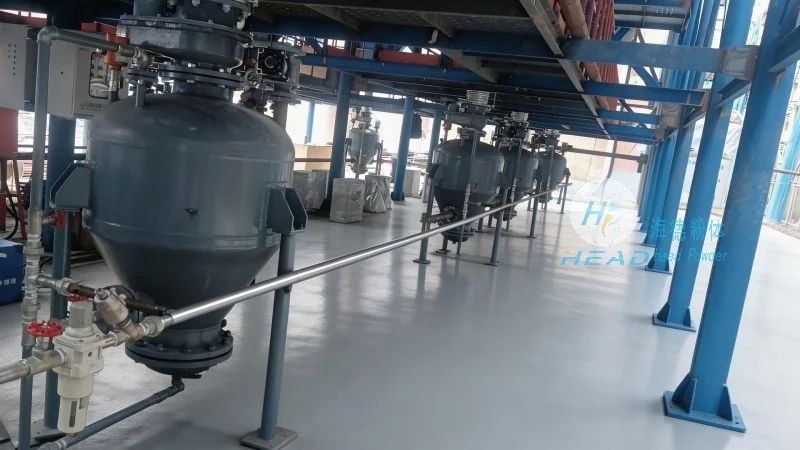
Pneumatic conveying systems operate on the principle of transporting bulk materials like sand through a pipeline using a stream of air or gas. The process involves creating a pressure differential within the system, which propels the sand particles through the pipeline. There are primarily two types of pneumatic conveying: pressure and vacuum systems. In pressure systems, air is compressed and introduced at the material inlet, while vacuum systems create a negative pressure at the discharge end to draw material into the pipeline. For sand, which is typically dry and free-flowing, pressure systems are often preferred due to their ability to handle higher material loads and longer transport distances with consistent performance. The design of the conveying line, including the selection of pipeline diameter, air velocity, and the use of appropriate fittings and valves, is critical to ensuring efficient and reliable sand transport. HeadPowder engineers meticulously calculate these parameters to optimize the system for specific sand characteristics, such as particle size distribution, moisture content, and bulk density, ensuring minimal material degradation and maximum throughput.
Key Working Scene Characteristics of Pneumatic Conveying Lines for Sand
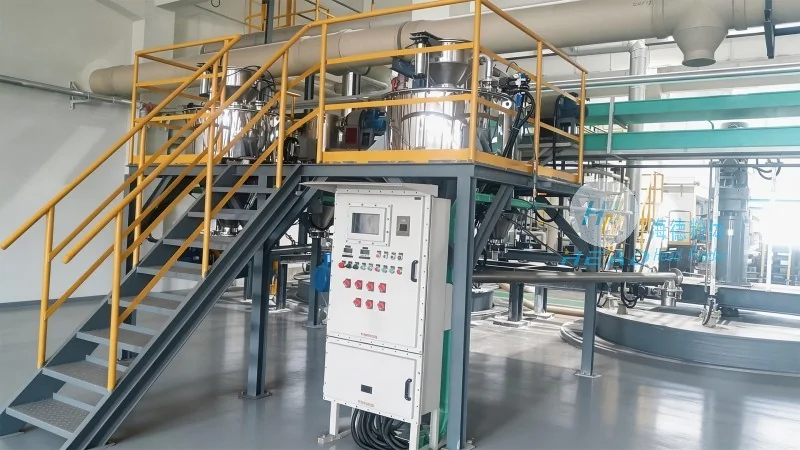
The working scene characteristics of pneumatic conveying lines for sand are shaped by several factors that influence their performance in real-world applications. Firstly, the operational environment plays a crucial role. Sand is commonly used in construction, foundry, and mining industries, where the conveying system must be robust enough to withstand harsh conditions, including dust, moisture, and temperature variations. HeadPowder’s systems are engineered with durable materials, such as stainless steel or corrosion-resistant alloys, to ensure longevity and reliability in these demanding environments. Secondly, the scale of the operation is a significant factor. From small-scale sand transport in a local construction site to large-scale industrial applications in a foundry or mining operation, the conveying line must be scalable to meet varying material flow rates. The system’s flexibility allows for adjustments in air pressure, flow rate, and pipeline length to accommodate different production needs. Thirdly, the integration with other processes is essential. In many industrial settings, sand is part of a larger production line, requiring seamless integration with other equipment like mixers, crushers, or storage silos. HeadPowder’s expertise lies in designing systems that integrate smoothly with existing infrastructure, minimizing downtime and maximizing operational efficiency. Additionally, the safety considerations in sand handling are paramount. Pneumatic conveying systems reduce the risk of dust explosions compared to traditional belt or bucket elevators, as the material is enclosed within the pipeline. This makes them ideal for handling potentially hazardous sand materials, especially in environments where dust control is critical. The system’s design also includes features like explosion-proof components and dust collection mechanisms to enhance safety and compliance with industrial regulations.
Application Scenarios and Operational Efficiency
The working scene characteristics of pneumatic conveying lines for sand are further defined by their application scenarios, which vary widely based on the industry and specific requirements. In the construction industry, these systems are used to transport sand from storage silos to mixing plants or job sites, ensuring a continuous and efficient supply of material. The ability to handle large volumes of sand quickly and without the need for manual handling makes the system highly valuable in construction projects. In the foundry industry, sand is used as a molding material, and pneumatic conveying lines are essential for transporting sand from storage to the molding machines. The precision and control offered by these systems help maintain consistent molding quality, which is critical for producing high-quality castings. In mining operations, sand is often extracted from ore and transported to processing facilities. Pneumatic conveying lines provide a cost-effective and efficient method for moving large quantities of sand over long distances, reducing the need for heavy machinery and labor. The operational efficiency of these systems is also enhanced by their ability to handle abrasive materials like sand without significant wear and tear on components. HeadPowder’s systems are designed with wear-resistant materials and regular maintenance protocols to ensure long-term performance and minimal downtime. Furthermore, the energy efficiency of pneumatic conveying systems is a key advantage. By optimizing air velocity and pressure, the system minimizes energy consumption while maintaining high throughput, making it an environmentally friendly and cost-effective solution for sand transport. The integration of advanced control systems allows for real-time monitoring of the conveying process, enabling operators to adjust parameters dynamically and optimize performance based on real-time conditions.
Conclusion and Company Expertise
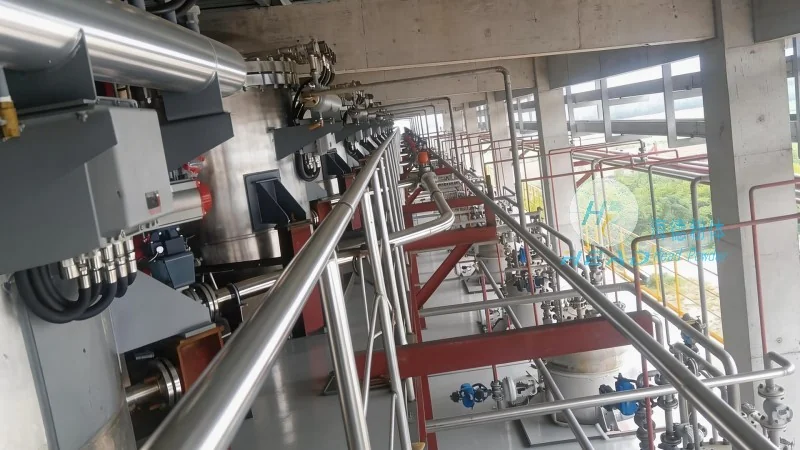
HeadPowder Engineering Co., Ltd., based in Shandong, China, is a trusted provider of pneumatic conveying solutions for sand and other granular materials. The company’s expertise lies in understanding the unique challenges of sand transport and designing systems that address these challenges effectively. By focusing on the core principles of pneumatic conveying and leveraging advanced engineering techniques, HeadPowder delivers systems that are efficient, reliable, and tailored to specific operational needs. The working scene characteristics of these systems, including their adaptability to different environments, scalability, and integration capabilities, make them a preferred choice for industries relying on sand as a critical material. As the demand for efficient and sustainable material handling solutions grows, HeadPowder continues to innovate and provide cutting-edge pneumatic conveying systems that meet the evolving needs of its clients. With a strong commitment to quality and customer satisfaction, HeadPowder remains at the forefront of the industry, offering solutions that enhance operational efficiency and ensure the safe and reliable transport of sand materials.