

Principle and Working Scene Characteristics of a Pneumatic Conveying Line for Iron Oxide Powder
HeadPowder, a leading provider in the field, specializes in advanced pneumatic conveying solutions tailored for iron oxide powder applications. This article explores the fundamental principles behind such systems and highlights key operational characteristics in real-world industrial settings.
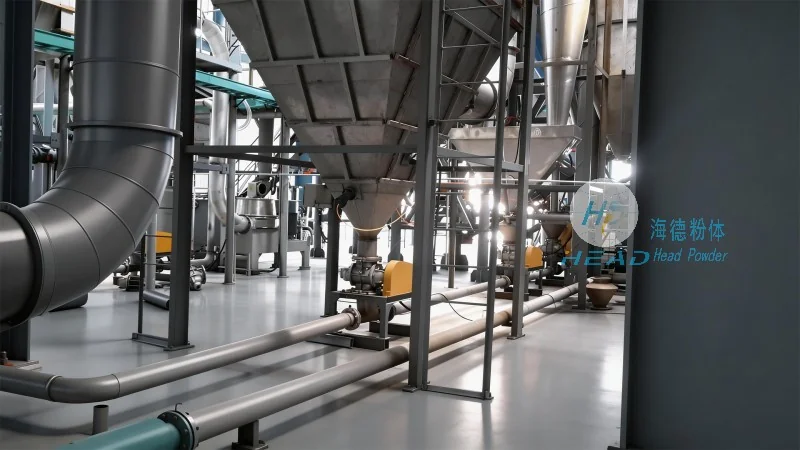
Company Overview: Shandong HeadPowder Engineering Co., Ltd.
HeadPowder, based in Shandong, China, is dedicated to delivering high-efficiency and reliable pneumatic conveying technologies. With a focus on material handling solutions for fine powders like iron oxide, the company combines expertise in engineering and process optimization to meet diverse industrial needs.
Principle of Pneumatic Conveying for Iron Oxide Powder
The core principle of pneumatic conveying involves transporting bulk materials through a pipeline using pressurized air or vacuum. For iron oxide powder, this method leverages the ability to suspend particles in a gas stream, enabling efficient movement from source to destination. The system typically includes components such as a hopper, feeder, pipeline, and receiver, all working in tandem to maintain consistent flow rates and prevent material degradation.
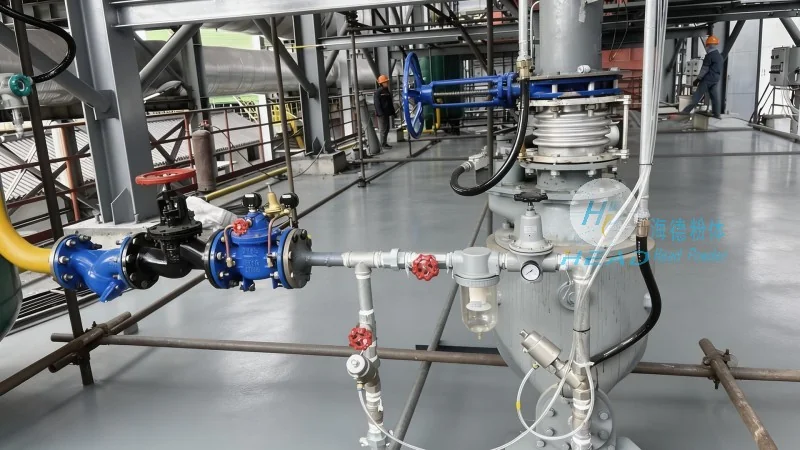
Key Components and Their Functions
Several critical components are integral to the operation of an iron oxide powder pneumatic conveying line. The hopper serves as the storage vessel, ensuring a steady supply of material. The feeder, often a rotary valve or screw feeder, controls the discharge rate to match the conveying requirements. The pipeline, usually made of stainless steel or other corrosion-resistant materials, transports the powder-air mixture. The receiver, equipped with a dust collection system, collects the material at the end of the line, preventing loss and ensuring environmental compliance.
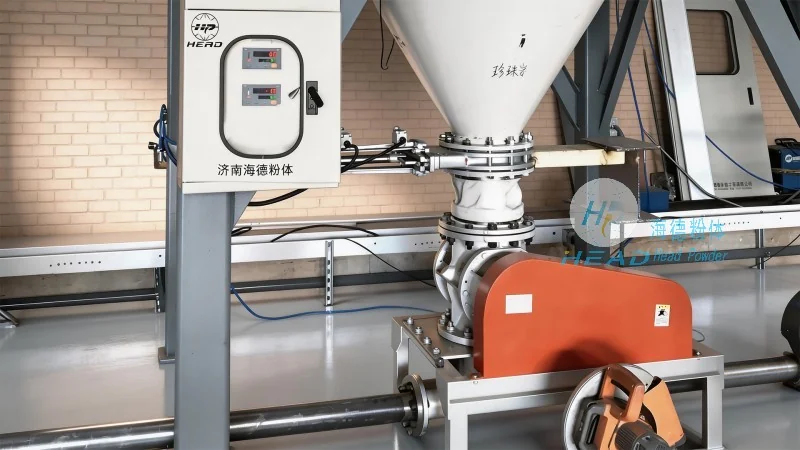
Working Scene Characteristics: Industrial Applications
Real-world applications of iron oxide powder pneumatic conveying systems vary across industries, each with distinct operational demands. In the chemical and pigment sectors, these systems are used for transporting iron oxide used in coatings, inks, and pigments. The high purity and consistent particle size of iron oxide are crucial, and the conveying process must minimize contamination and degradation. In the manufacturing of magnetic materials, the system ensures precise dosing of iron oxide into production lines, maintaining quality control. Additionally, in the construction industry, iron oxide is used as a pigment in concrete and coatings, where the conveying system must handle larger volumes and varying particle sizes.
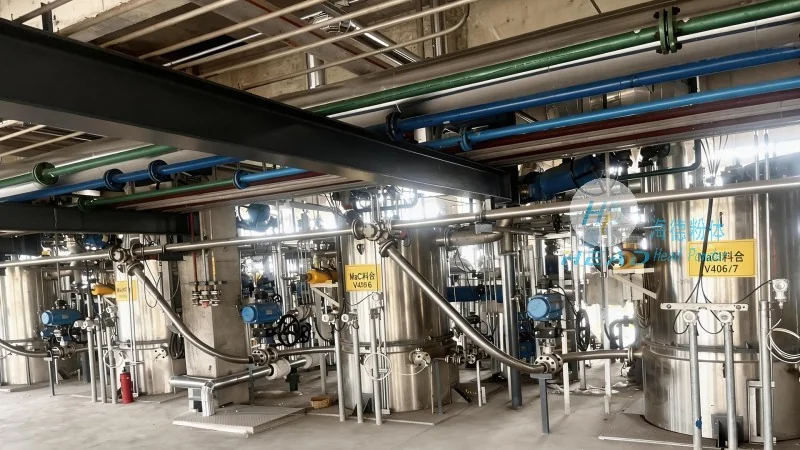
Advantages of Pneumatic Conveying for Iron Oxide Powder
Compared to traditional methods like belt conveyors or bucket elevators, pneumatic conveying offers several advantages for iron oxide powder. It eliminates the need for mechanical contact with the material, reducing wear and tear and preventing contamination. The system is also flexible, allowing for vertical and horizontal transport combinations, which optimizes space utilization in industrial facilities. Furthermore, it provides better control over flow rates and particle distribution, leading to improved process efficiency and product quality. The ability to handle fine powders without clogging or bridging is another key benefit, ensuring smooth operation even with high-purity iron oxide.
Operational Considerations and Best Practices
Effective operation of an iron oxide powder pneumatic conveying line requires careful consideration of several factors. Proper maintenance of components, such as regular cleaning of the pipeline and feeder, is essential to prevent blockages and ensure consistent performance. The selection of appropriate air pressure and flow rates is critical to maintain the material in suspension and avoid degradation. Additionally, monitoring the system for pressure drops and flow variations helps in early detection of issues, allowing for timely adjustments. Environmental considerations, including dust control and emission management, are also important, as iron oxide powder can be fine and potentially hazardous if not handled properly.