

Principle and Working Scene Characteristics of Desulfurization Gypsum Material Pneumatic Conveying L
HeadPowder, a leading engineering firm based in Shandong, China, specializes in the design and implementation of advanced material handling solutions. Among their portfolio is the desulfurization gypsum material pneumatic conveying line, a critical component in modern industrial processes that manage flue gas desulfurization byproducts. This system efficiently transports gypsum, a calcium sulfate dihydrate, from the desulfurization unit to storage or processing facilities, ensuring optimal operational efficiency and environmental compliance.
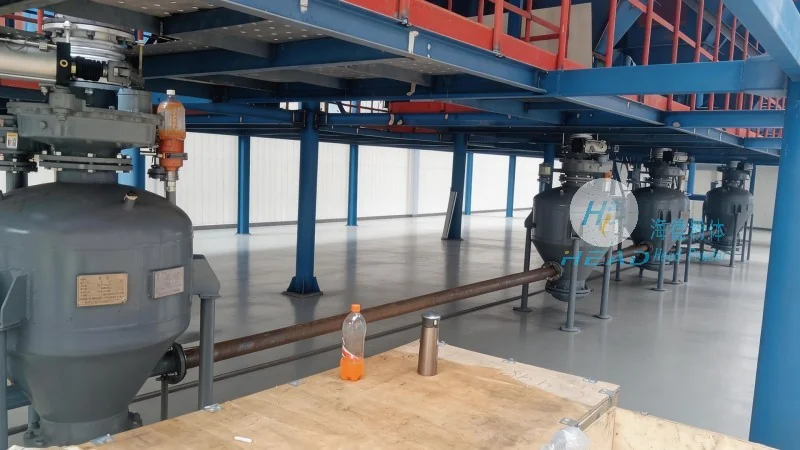
The Core Principle of Pneumatic Conveying for Desulfurization Gypsum
The pneumatic conveying line operates on the principle of using compressed air to transport bulk materials through a pipeline. In the context of desulfurization gypsum, the system typically employs a positive pressure or negative pressure (or a combination of both) method. The positive pressure system, often preferred for gypsum due to its low abrasiveness and the need to maintain a dry environment, uses a blower to generate air pressure that propels the gypsum particles through the pipeline. The pipeline is equipped with appropriate fittings, such as bends, elbows, and expansion joints, to accommodate changes in direction and maintain consistent flow. The system also includes a hopper or feeder at the inlet to control the flow rate, ensuring a steady supply of gypsum to the conveying line. At the discharge end, a receiver or silo collects the gypsum, often with a dust collection system to prevent air pollution and maintain a clean working environment.
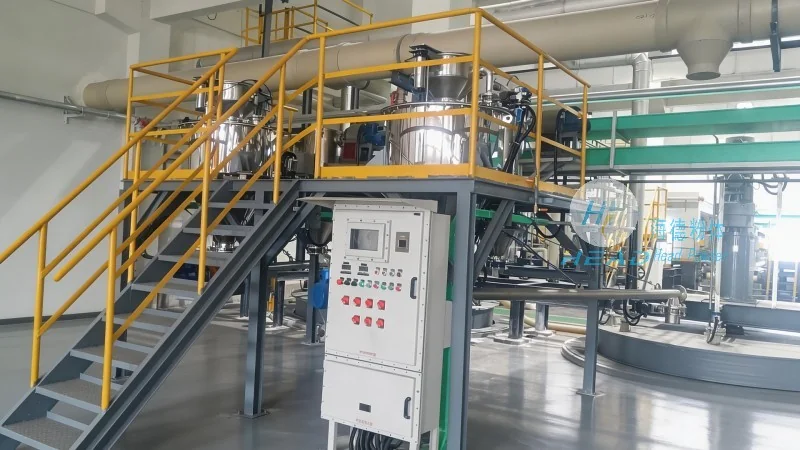
Key Working Scene Characteristics
The desulfurization gypsum pneumatic conveying line is designed to operate in specific industrial scenarios, each with distinct requirements that the system addresses effectively. One primary working scene is in power plants where flue gas desulfurization is implemented to reduce sulfur dioxide emissions. In these settings, the system must handle large volumes of gypsum, often produced at a rate of several tons per hour, and transport it to a dedicated storage area or a gypsum board manufacturing facility. The system's ability to maintain a consistent flow rate and minimize material degradation is crucial, as gypsum is sensitive to moisture and can cake if not handled properly. Another working scene is in industrial facilities that process desulfurization gypsum into building materials, such as gypsum boards or plaster. Here, the conveying line must ensure that the gypsum is delivered to the processing equipment in a dry and uniform state, which is essential for maintaining product quality and reducing production downtime. Additionally, the system is designed to operate in environments where space is limited, as the pneumatic conveying line can be installed in a compact layout compared to traditional belt conveyors, making it suitable for retrofitting existing power plants or industrial sites.
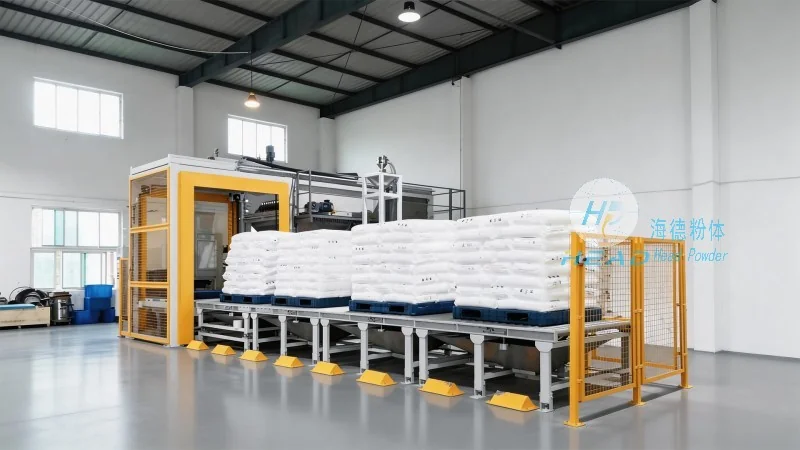
Technical Advantages and Operational Efficiency
HeadPowder's desulfurization gypsum pneumatic conveying line offers several technical advantages that enhance operational efficiency and reliability. The system's positive pressure design ensures that the gypsum is transported in a dry state, preventing moisture absorption and caking, which can lead to blockages and system failures. The use of high-quality materials for the pipeline, such as stainless steel or abrasion-resistant plastic, ensures long-term durability and resistance to the corrosive properties of gypsum. The system also includes advanced control systems that monitor pressure, flow rate, and temperature, providing real-time feedback to operators and enabling proactive maintenance. This reduces downtime and increases the overall availability of the conveying line. Furthermore, the system's energy efficiency is optimized through the use of energy-saving blowers and the minimization of air leakage in the pipeline, contributing to lower operational costs and reduced environmental impact.
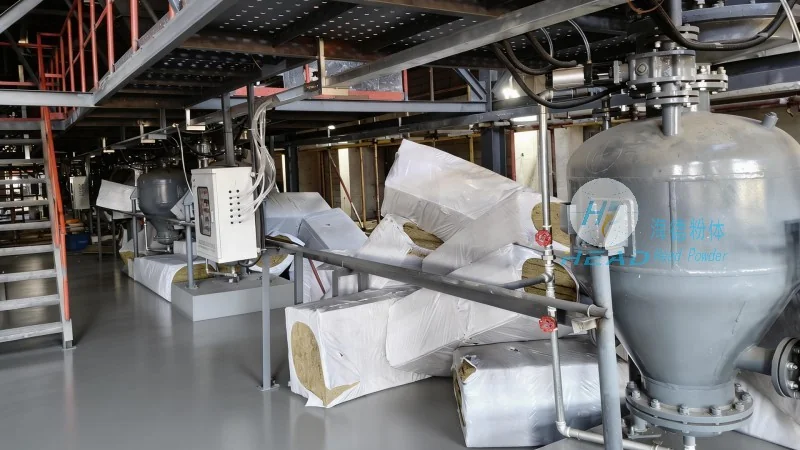
Application and Customization
HeadPowder tailors the desulfurization gypsum pneumatic conveying line to meet the specific needs of each client, considering factors such as the volume of gypsum to be transported, the distance between the source and destination, and the existing infrastructure. The system can be customized with various components, including different types of hoppers, feeders, and receivers, to accommodate varying production rates and operational requirements. For example, in a power plant with a high gypsum production rate, the system may include a larger hopper and a more powerful blower to handle the increased flow. In contrast, for a smaller industrial facility, a more compact system with a lower capacity blower may be used. The company also provides comprehensive installation and commissioning services, ensuring that the system is properly integrated into the client's existing operations and meets all safety and environmental regulations.