

Principle and Working Scene Characteristics of a Sodium Sulfate Powder Material Pneumatic Conveying
HeadPowder, a leading engineering company based in Shandong, China, specializes in the design and implementation of advanced material handling systems. The company's expertise lies in developing efficient pneumatic conveying solutions tailored to the unique requirements of industries dealing with fine powders, such as sodium sulfate. This article explores the fundamental principles behind a sodium sulfate powder pneumatic conveying line and highlights the key characteristics of its operational scenarios.
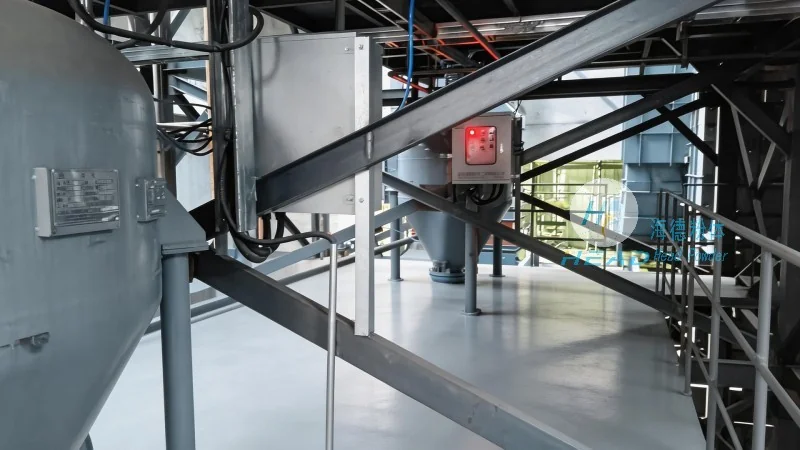
Principle of Pneumatic Conveying for Sodium Sulfate Powder
The pneumatic conveying system for sodium sulfate powder operates on the principle of transporting bulk material through a pipeline using a moving gas stream. In this system, air or other gases are used to create a flow that carries the powder particles from the source to the destination. The process typically involves a series of components, including a feeder, a compressor, a pipeline network, and a receiver. The feeder ensures a consistent and controlled feed of the sodium sulfate powder into the system, while the compressor generates the necessary pressure to move the material through the pipeline. The pipeline network, often equipped with bends, valves, and filters, facilitates the smooth transport of the powder. Finally, the receiver collects the material at the end of the line, completing the conveying process. This method eliminates the need for traditional mechanical conveying equipment, such as conveyors or elevators, which can be prone to material degradation and maintenance issues.
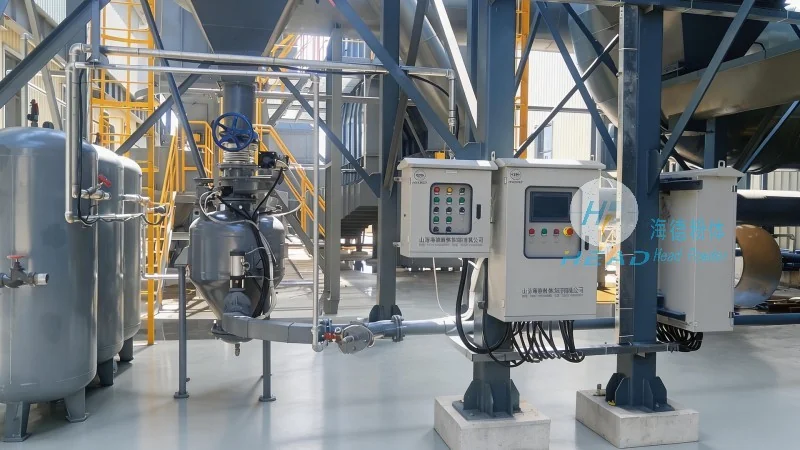
Working Scene Characteristics of the Pneumatic Conveying Line
The operational scenarios for a sodium sulfate powder pneumatic conveying line are characterized by several key features that enhance efficiency and reliability. First, the system is designed to handle fine powders with high bulk density, ensuring minimal dust generation and improved safety in the workplace. The use of a closed pipeline system prevents the release of dust into the environment, which is crucial for maintaining compliance with environmental regulations. Second, the conveying line can operate over long distances and across multiple levels, making it suitable for complex industrial layouts. The flexibility of the system allows for easy integration with existing production lines, reducing downtime during installation and operation. Third, the system offers high throughput capabilities, enabling the continuous and efficient movement of large quantities of sodium sulfate powder. This is particularly beneficial for industries that require high production rates, such as chemical manufacturing and food processing. Additionally, the pneumatic conveying line provides consistent material flow, which helps in maintaining stable production processes and reducing the risk of bottlenecks. The system's ability to handle varying particle sizes and moisture content further enhances its adaptability to different operational conditions.
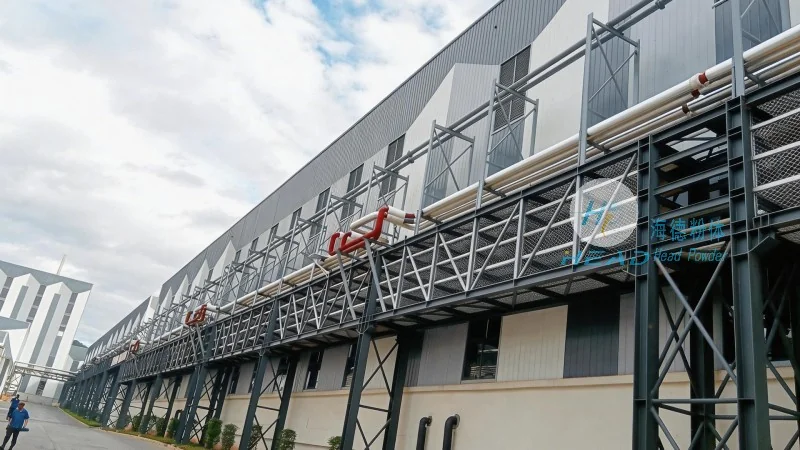
Advantages and Applications in Industrial Settings
The sodium sulfate powder pneumatic conveying line offers several advantages that make it an ideal choice for industrial applications. One of the primary benefits is the reduction in labor costs associated with manual handling of bulk materials. The automated system minimizes the need for human intervention, leading to increased productivity and improved safety. Another advantage is the prevention of material contamination, as the closed system ensures that the powder remains clean and free from external pollutants. This is critical for industries where product purity is paramount, such as pharmaceuticals and food processing. The system also reduces the risk of equipment wear and tear, as there are no moving parts in direct contact with the powder, which extends the lifespan of the conveying equipment. In terms of applications, the pneumatic conveying line is widely used in the chemical industry for transporting sodium sulfate from storage to processing units. It is also utilized in the food industry for handling powdered ingredients, and in the mining sector for transporting fine ore particles. The versatility of the system makes it suitable for a wide range of industrial processes that require the efficient and reliable transport of fine powders.