

Principle and Working Scene Characteristics of Automatic Quantitative Material Pneumatic Conveying M
Automatic quantitative material pneumatic conveying machines represent a sophisticated solution for the efficient handling and transportation of bulk materials in industrial settings. These systems are designed to deliver precise quantities of materials, such as powders, granules, or fine particles, with high accuracy and reliability. The technology behind these machines integrates pneumatic conveying principles with advanced control systems to ensure optimal performance in various operational scenarios.
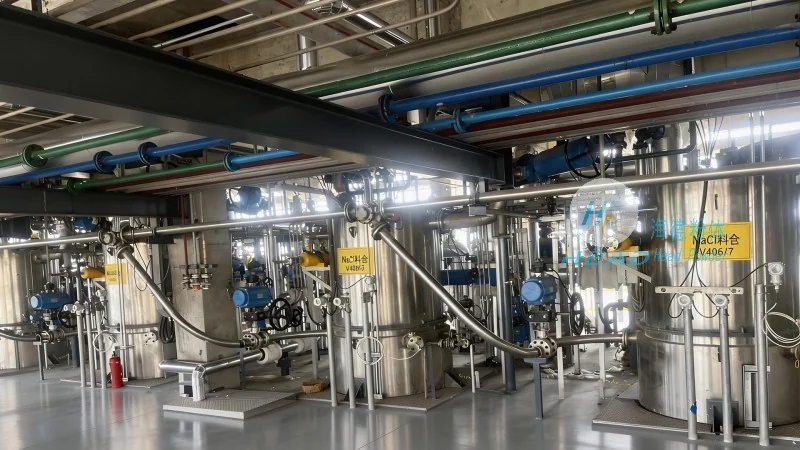
Core Principle of Pneumatic Conveying
The fundamental principle of pneumatic conveying involves the use of compressed air or gas to transport material particles through a pipeline. In the context of automatic quantitative machines, this process is enhanced by precise measurement and control mechanisms. The system typically consists of a hopper, a feeding mechanism, a conveying line, and a discharge point. The compressed air is introduced at the discharge end, creating a pressure differential that propels the material forward. The feeding rate is regulated by a control valve or sensor, ensuring that the material is conveyed at a consistent and controlled speed. This approach minimizes material degradation, reduces dust generation, and enhances safety compared to traditional mechanical conveying methods.
Working Scene Characteristics
The application of automatic quantitative material pneumatic conveying machines varies across different industrial sectors, each presenting unique requirements and operational conditions. The following sections outline key working scene characteristics and how the equipment adapts to meet these demands.
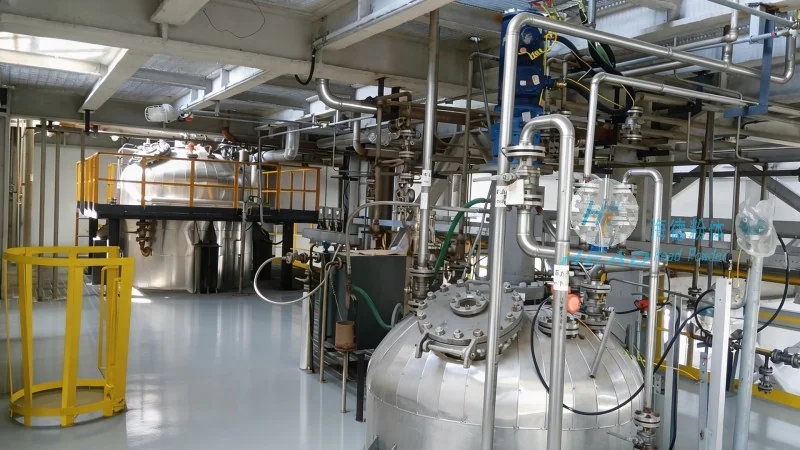
Industrial Manufacturing Environments
In manufacturing facilities, these machines are commonly used for the automated transfer of raw materials to production lines. For instance, in the food processing industry, they can handle ingredients like flour, sugar, or spices with high hygiene standards. The equipment is designed to maintain product purity and prevent contamination, making it suitable for applications where material quality is critical. The precise dosing capability ensures that the correct amount of material is added to each batch, reducing waste and improving product consistency. Additionally, the compact design of the conveying system allows for integration into existing production layouts without significant modifications.
Pharmaceutical and Chemical Processing
The pharmaceutical and chemical industries demand stringent control over material handling to ensure product safety and regulatory compliance. Automatic quantitative pneumatic conveying machines are employed to transport active pharmaceutical ingredients (APIs), chemicals, and other sensitive materials. The systems are equipped with sterile or dust-tight enclosures to prevent cross-contamination and maintain aseptic conditions. The precise measurement and control features help in adhering to dosage requirements and batch records, which are essential for quality assurance. The ability to handle fine powders without agglomeration or caking is particularly important in these sectors, as it preserves the material's physical properties and ensures consistent performance.
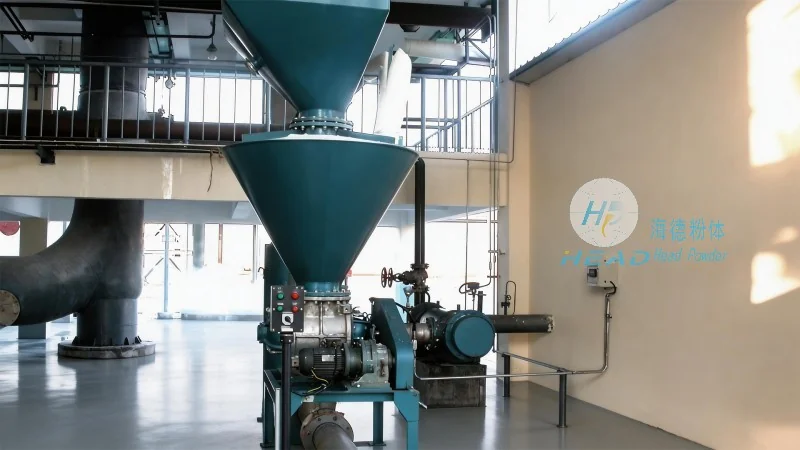
Construction and Mining Applications
In construction and mining operations, large volumes of bulk materials such as sand, gravel, or ore are frequently transported over long distances. The high-capacity pneumatic conveying systems are capable of handling these materials efficiently, reducing the need for multiple transfer points and labor-intensive manual handling. The equipment is designed to withstand harsh environmental conditions, including dust, moisture, and temperature variations. The robust construction and durable components ensure long-term reliability in demanding work environments. The quantitative feeding feature is particularly valuable in processes that require consistent material input for mixing or processing, such as concrete production or ore processing.
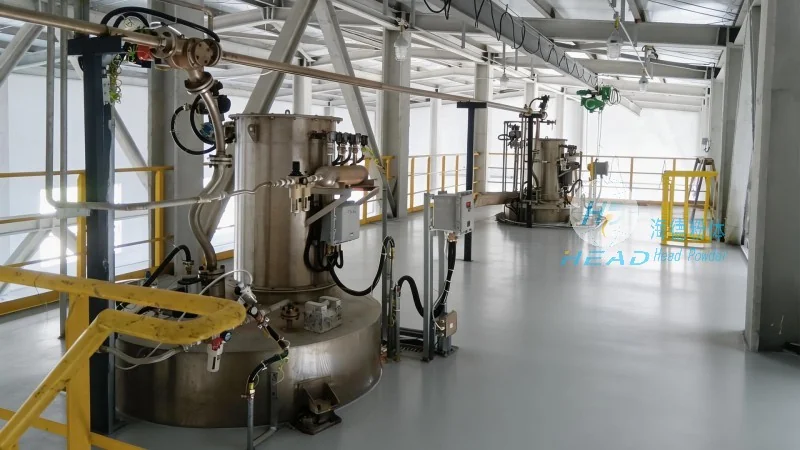
Advantages and Technical Features
Automatic quantitative material pneumatic conveying machines offer several advantages over traditional conveying methods. The primary benefit is the high level of precision in material dosing, which is crucial for applications where exact quantities are required. This reduces material waste and improves overall process efficiency. The system also minimizes labor costs by automating the material handling process, allowing operators to focus on other critical tasks. Additionally, the pneumatic conveying method reduces the risk of material contamination and degradation, as it eliminates direct contact with mechanical components. The compact and flexible design of the equipment enables easy integration into existing facilities and allows for adjustments to accommodate varying material types and quantities.
Conclusion
Automatic quantitative material pneumatic conveying machines are versatile and efficient solutions for bulk material handling in various industrial applications. By combining pneumatic conveying technology with advanced control systems, these machines provide precise, reliable, and safe material transportation. The working scene characteristics, such as those in manufacturing, pharmaceuticals, construction, and mining, demonstrate the adaptability and effectiveness of the equipment. As industries continue to demand higher efficiency and quality in material handling, these machines remain a critical component in modern production processes. Shandong HeadPowder Engineering Co., Ltd., based in China, specializes in the design and manufacturing of such advanced material handling equipment, ensuring that clients receive tailored solutions that meet their specific operational needs.