

Principle and Working Scene Characteristics of Air-Driven Conveyors for Fine Gray Materials
HeadPowder, a leading engineering company based in Shandong, China, specializes in the design and manufacturing of advanced air-driven conveying systems tailored for handling fine gray materials. These systems represent a sophisticated solution for material transport in various industrial applications, combining efficiency, reliability, and adaptability to meet diverse operational needs.
Principle of Air-Driven Conveying Systems
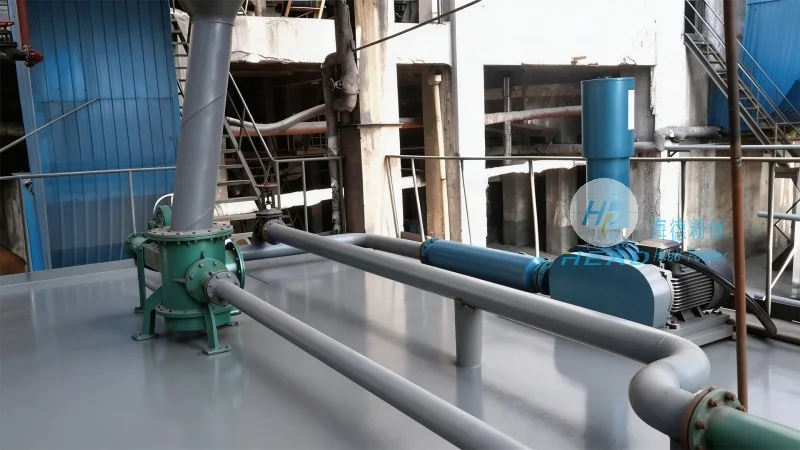
The core principle of air-driven conveyors for fine gray materials involves the use of compressed air to create a flow of material through a pipeline. This method, also known as pneumatic conveying, utilizes the pressure differential generated by the air flow to transport the material from a source to a destination. The system typically consists of a hopper or feed hopper where the material is loaded, a compressor that supplies the air, and a pipeline network that guides the material's movement. The air flow can be either positive pressure (where air pushes the material) or negative pressure (where air pulls the material), depending on the specific application requirements and material characteristics. For fine gray materials, the design often emphasizes low air velocity to prevent material degradation, clogging, or loss of product quality. The conveying process is controlled by regulating the air pressure and flow rate, ensuring consistent material transport without excessive wear or damage to the equipment.
Key Working Scene Characteristics and Applications
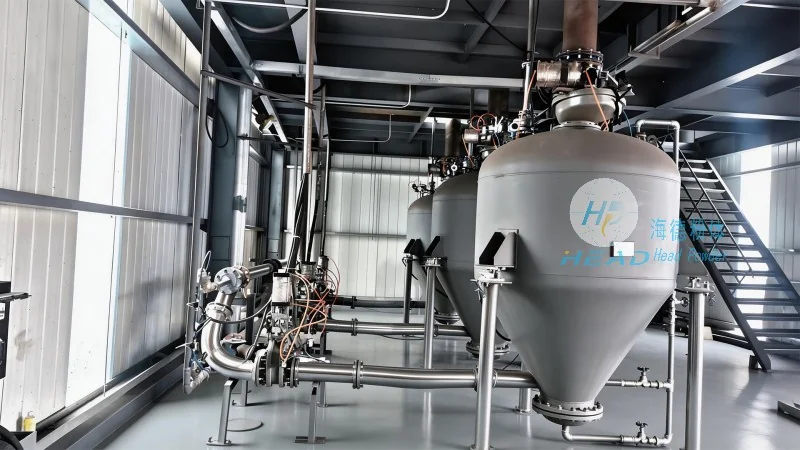
One of the primary working scene characteristics of air-driven conveyors for fine gray materials is their suitability for handling materials that are prone to dust generation or require gentle handling to maintain particle integrity. These systems are widely used in industries such as cement, chemical, and food processing, where the transport of fine powders is critical. The working scene typically includes environments where material handling must be done in a closed system to prevent contamination or environmental pollution. The equipment is designed to operate in a continuous or intermittent mode, depending on the production schedule, and can be integrated with other processing equipment such as mixers, reactors, or storage silos. The characteristics of the working scene, including the material's density, moisture content, and flowability, are carefully considered during the system design to ensure optimal performance. For example, in cement plants, these conveyors are used to transport raw materials or finished cement products from storage silos to processing units, while in chemical plants, they handle fine powders like pigments or additives with precision.
Advantages and Technical Features
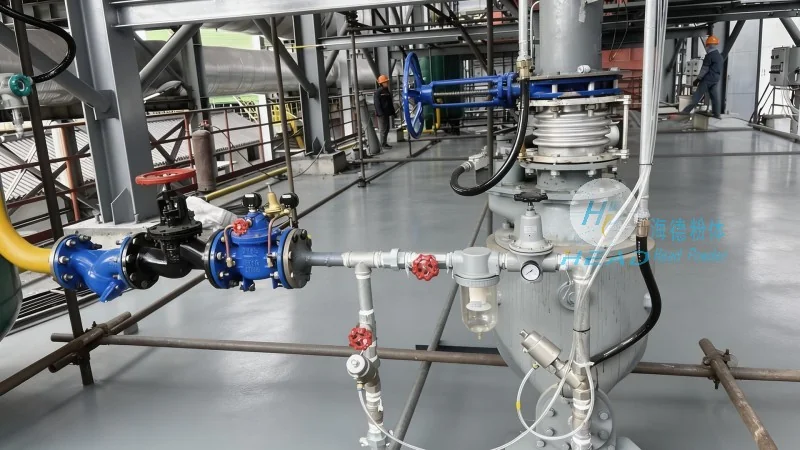
HeadPowder's air-driven conveyors for fine gray materials offer several advantages that make them a preferred choice in industrial settings. These include high efficiency in material transport, as the system can move large volumes of material over long distances with minimal energy consumption compared to traditional methods like belt conveyors or bucket elevators. The equipment is also highly flexible, allowing for changes in the conveying route or capacity without major modifications. Another key feature is the ability to handle materials with varying particle sizes and shapes, as the pneumatic system can accommodate different material characteristics. The design incorporates features such as air filtration and dust collection to maintain a clean working environment and comply with environmental regulations. Additionally, the system is equipped with safety mechanisms to prevent overpressure or material blockages, ensuring safe and reliable operation. The use of high-quality materials in the construction of the pipeline and components ensures durability and long service life, reducing maintenance costs and downtime.
Customization and Integration Capabilities
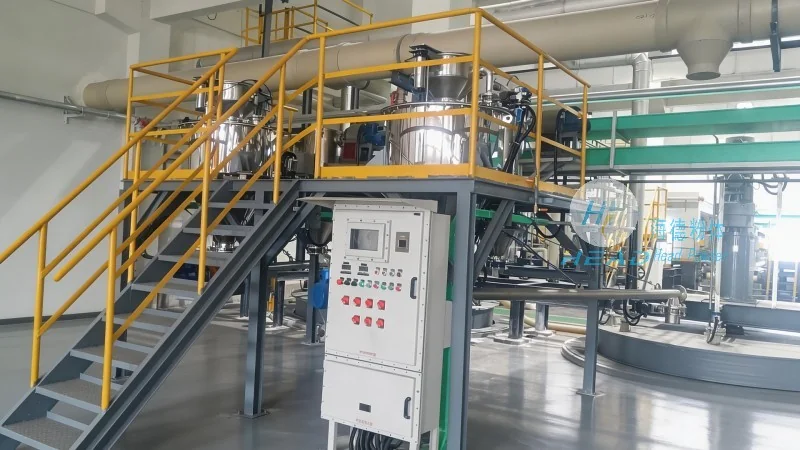
HeadPowder provides customized air-driven conveying solutions tailored to the specific needs of each client. The company's engineers work closely with customers to understand their operational requirements, material properties, and production goals, then design a system that meets these specifications. Customization options include adjustments to the air pressure, pipeline diameter, and material feed mechanisms to optimize performance. The conveyors can be integrated with existing production lines or new facilities, ensuring seamless operation and minimal disruption. For example, in a cement plant, the system can be integrated with the existing storage and processing infrastructure to enhance overall production efficiency. The company also offers after-sales support, including maintenance services and technical assistance, to ensure the long-term reliability of the equipment. By focusing on customization and integration, HeadPowder ensures that its air-driven conveyors for fine gray materials are not only efficient but also adaptable to the evolving needs of modern industrial operations.
Conclusion
In conclusion, air-driven conveyors for fine gray materials, as developed by Shandong HeadPowder Engineering Co., Ltd., represent a sophisticated and reliable solution for material transport in various industrial applications. The system's principle of pneumatic conveying, combined with its working scene characteristics and technical features, makes it an ideal choice for handling fine powders with precision and efficiency. With its customization capabilities and commitment to quality, HeadPowder continues to provide innovative solutions that meet the demands of modern industry, ensuring safe, efficient, and sustainable material handling processes.