

Principle and Working Scene Characteristics of Coal Ash Material Pneumatic Conveying Equipment
Coal ash, a byproduct of coal combustion in thermal power plants, poses significant challenges in handling and transportation due to its fine particle size and abrasive nature. Traditional methods such as belt conveyors or bucket elevators often face issues like material buildup, blockages, and high maintenance costs when dealing with coal ash. To address these challenges, pneumatic conveying systems have emerged as a highly efficient and reliable solution for transporting coal ash from storage silos, processing units, or disposal sites. This article explores the fundamental principles of coal ash material pneumatic conveying equipment, along with key working scene characteristics that highlight its advantages in industrial applications.
Principle of Pneumatic Conveying for Coal Ash
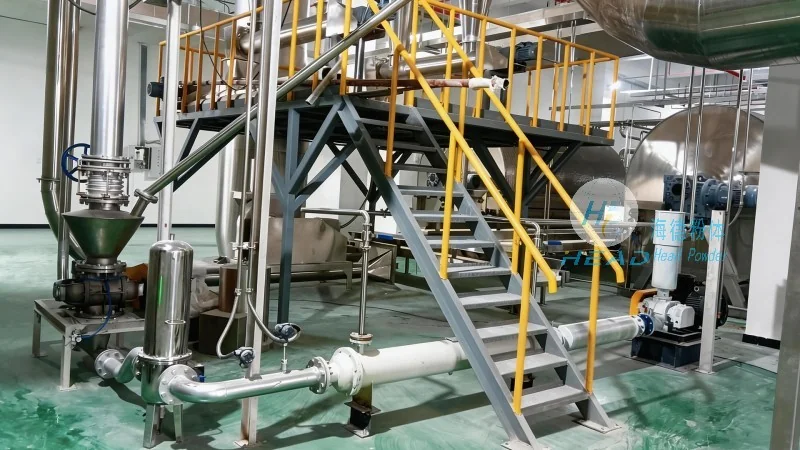
The core principle of pneumatic conveying for coal ash involves the use of compressed air or gas to transport bulk materials through a pipeline system. There are two main types of pneumatic conveying systems: dilute-phase and dense-phase. Dilute-phase systems, which are commonly used for coal ash, operate by injecting air at a high velocity into the material stream, creating a suspension of particles in the air. The air flow carries the coal ash particles through the pipeline, delivering them to the destination. Dense-phase systems, on the other hand, use lower air velocities and higher material concentrations, resulting in a more stable and controlled flow. For coal ash applications, dilute-phase systems are preferred due to their ability to handle fine particles and minimize material degradation. The process typically starts with the coal ash being fed into a hopper or silo, where it is then drawn into the conveying line by the air flow. The air is supplied by a blower or compressor, which generates the necessary pressure and velocity to move the material. The conveying line is usually made of stainless steel or other corrosion-resistant materials to withstand the abrasive nature of coal ash. At the receiving end, the coal ash is deposited into a storage bin or processing unit, and the air is filtered and returned to the system to maintain efficiency.
Working Scene Characteristics of Coal Ash Pneumatic Conveying Equipment
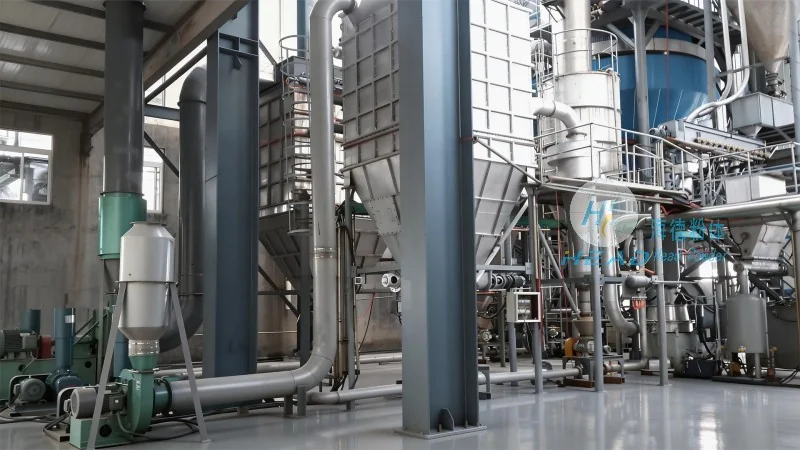
The working scene characteristics of coal ash pneumatic conveying equipment are tailored to meet the specific demands of industrial environments where coal ash is generated and handled. These characteristics include high efficiency in material transport, low maintenance requirements, and adaptability to various operational conditions. In thermal power plants, for example, the equipment is used to transfer coal ash from the boiler ash hopper to the ash handling system or disposal area. The system operates continuously, ensuring a steady flow of material without interruptions. The compact design of the equipment allows it to be installed in confined spaces, which is common in power plant facilities. Additionally, the system is designed to handle varying ash compositions, including fly ash and bottom ash, with minimal adjustments to the air flow or conveying parameters. Another key characteristic is the ability to integrate with existing infrastructure, such as existing silos or conveyor systems, reducing the need for major construction or modifications. This makes the equipment a cost-effective solution for upgrading or replacing older ash handling methods. The working scene also includes considerations for environmental compliance, as the system is equipped with dust collection and filtration systems to minimize emissions and ensure compliance with local regulations. The reliability of the equipment is further enhanced by its automated control systems, which monitor pressure, flow, and material levels, providing real-time feedback and preventing potential issues before they occur.
Advantages and Applications in Industrial Settings
Pneumatic conveying equipment for coal ash offers several advantages over traditional handling methods, making it the preferred choice in many industrial applications. The primary advantage is the ability to handle fine and abrasive materials without causing blockages or wear on the equipment. Unlike belt conveyors, which can experience material buildup and require frequent cleaning, pneumatic systems maintain a consistent flow, reducing downtime and maintenance costs. The system also provides a closed-loop operation, which helps in controlling dust emissions and maintaining a clean working environment. This is particularly important in power plants where air quality regulations are stringent. Another advantage is the flexibility of the system, which can be adjusted to handle different ash types and flow rates. For example, in a power plant with multiple boilers, the system can be configured to handle ash from different sources, ensuring efficient and uniform transport. The equipment is also suitable for long-distance transport, as the air flow can maintain the material's velocity over extended distances without significant loss. This makes it ideal for transporting coal ash from the power plant to a disposal site or a recycling facility. In addition to power plants, the equipment is used in other industries such as cement production, where coal ash is used as a raw material. The system can transport the ash from storage silos to the cement production line, ensuring a steady supply of raw material. The reliability and efficiency of the system make it a critical component in these industrial processes, contributing to overall operational productivity and cost savings.
Conclusion
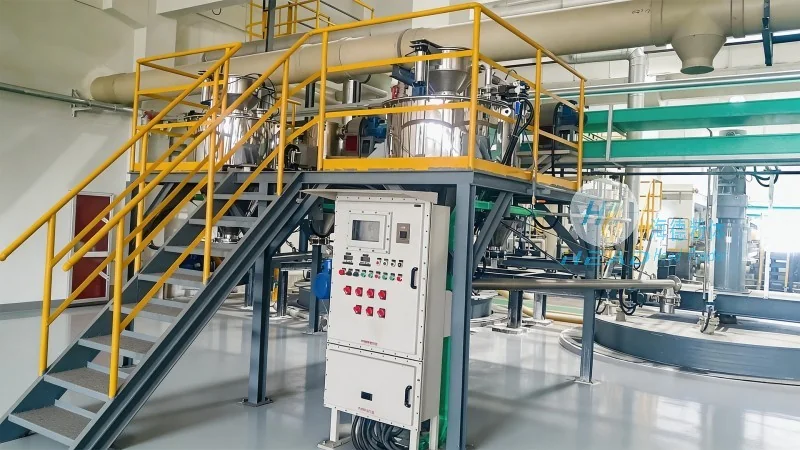
In conclusion, coal ash material pneumatic conveying equipment is a highly effective solution for handling and transporting coal ash in industrial settings. The fundamental principles of pneumatic conveying, combined with the working scene characteristics tailored to coal ash applications, provide a reliable and efficient method for material transport. The advantages of this equipment, including high efficiency, low maintenance, and adaptability, make it a preferred choice over traditional handling methods. As the demand for efficient ash handling systems continues to grow, the use of pneumatic conveying equipment will likely increase, contributing to the sustainable management of coal ash and the reduction of environmental impact. The equipment, manufactured by Shandong HeadPowder Engineering Co., Ltd., based in China, offers a robust and reliable solution for industries dealing with coal ash, ensuring compliance with environmental regulations and operational efficiency.