

Principle and Working Scene Characteristics of White Powder Material Pneumatic Conveying Machines
White powder material pneumatic conveying machines represent a critical technology in modern industrial processes, particularly for handling fine powders such as flour, starch, and other similar materials. These systems are designed to transport bulk materials through a pipeline using air or other gas as the conveying medium. The efficiency and reliability of these machines are essential for industries that require precise and hygienic material handling, ensuring minimal product contamination and optimal operational performance.
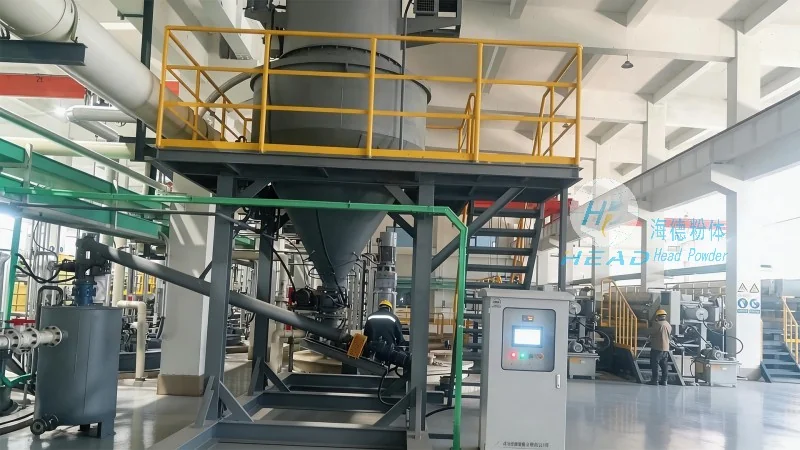
About HeadPowder: A Leading Manufacturer in Pneumatic Conveying Solutions
HeadPowder, operating as Shandong HeadPowder Engineering Co., Ltd., is a prominent enterprise based in Shandong, China. With a strong commitment to innovation and quality, HeadPowder specializes in the research, development, and manufacturing of advanced pneumatic conveying equipment tailored for diverse industrial applications. The company's expertise lies in understanding the unique challenges of handling white powder materials, such as maintaining product purity, controlling dust, and ensuring smooth material flow. By leveraging years of industry experience, HeadPowder provides customized solutions that meet the specific needs of clients across various sectors.
The Fundamental Principle of Pneumatic Conveying for White Powders
The core principle of white powder material pneumatic conveying machines involves the use of air or gas to create a flow that transports the powder through a pipeline. This process can be categorized into two main types: suction (or vacuum) conveying and pressure conveying. In suction conveying systems, a vacuum is created at the material inlet to draw the powder into the pipeline, while the air flow carries the material to the discharge point. Conversely, pressure conveying systems use compressed air to push the powder through the pipeline, typically from a storage silo or hopper. For white powders, the choice of conveying method depends on factors like material characteristics, distance, and required flow rate. The system often includes components such as a hopper, feeder, pipeline, and a receiver, all working in tandem to ensure efficient material transport.
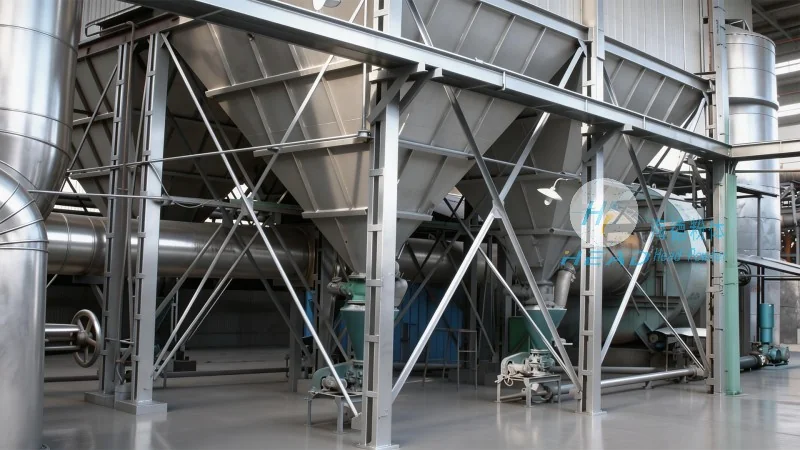
Key Working Scene Characteristics and Applications
White powder material pneumatic conveying machines are widely utilized across various industries due to their adaptability and efficiency. In the food and beverage industry, these machines are essential for handling ingredients like flour, sugar, and milk powder, where hygiene and product integrity are paramount. The systems are designed to minimize contamination and maintain the quality of the final product. In the pharmaceutical sector, similar principles are applied to transport active pharmaceutical ingredients (APIs) and excipients, ensuring strict adherence to GMP (Good Manufacturing Practice) standards. The ability to handle fine powders without agglomeration or caking is a critical advantage in these applications. Additionally, in the chemical and petrochemical industries, these machines are used for transporting various powders, including catalysts and additives, where precise control over material flow is crucial for process efficiency. The working scene characteristics also include the ability to handle materials over long distances, often with minimal maintenance requirements, making them suitable for large-scale industrial operations.
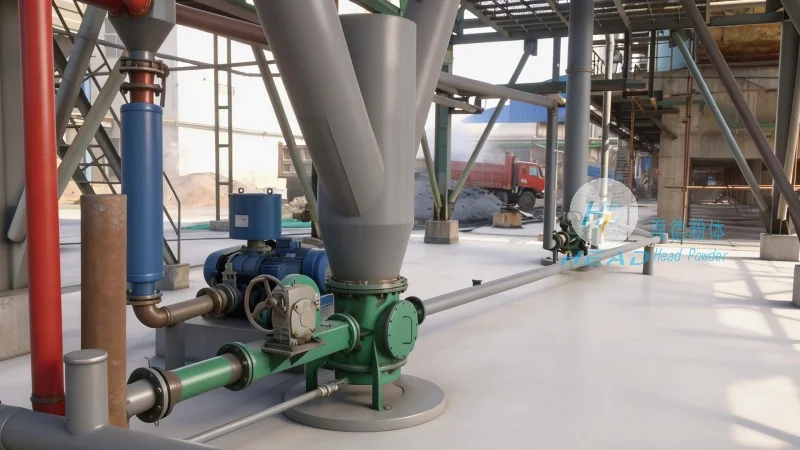
Technical Advantages and Operational Benefits
One of the primary advantages of white powder material pneumatic conveying machines is their ability to provide a clean and dust-free transfer of materials. Unlike mechanical conveying systems, which may cause product contamination or damage, pneumatic systems use enclosed pipelines, reducing the risk of cross-contamination. This is particularly important for white powders, which are often sensitive to moisture and other environmental factors. Furthermore, these machines offer high efficiency in terms of material throughput, with the ability to handle large volumes of powder at a consistent rate. The systems are also designed for easy integration into existing production lines, allowing for seamless operation and minimal downtime. Another key benefit is the flexibility in conveying different types of white powders, as the system can be adjusted to accommodate variations in particle size, density, and flow characteristics. This adaptability makes the machines suitable for a wide range of applications, from small-scale operations to large industrial facilities.
Conclusion: The Role of HeadPowder in Advancing Pneumatic Conveying Technology
White powder material pneumatic conveying machines play a vital role in modern industrial processes, enabling efficient and hygienic handling of fine powders. HeadPowder, as a leading manufacturer based in Shandong, China, continues to innovate and provide high-quality solutions that meet the evolving needs of industries. By understanding the fundamental principles and working scene characteristics of these machines, businesses can leverage this technology to enhance productivity, ensure product quality, and maintain compliance with industry standards. The future of pneumatic conveying for white powders remains promising, with ongoing advancements in system design and material handling techniques. As industries continue to prioritize efficiency and sustainability, the role of advanced pneumatic conveying machines, like those offered by HeadPowder, will only become more critical in driving operational excellence.