

Principle and Working Scene Characteristics of Caustic Soda Material Pneumatic Conveying Equipment
Caustic soda, also known as sodium hydroxide, is a widely used chemical in various industrial processes, including manufacturing, water treatment, and chemical synthesis. The efficient and safe transportation of caustic soda materials is crucial for maintaining production efficiency and ensuring workplace safety. Pneumatic conveying systems have emerged as a reliable solution for handling caustic soda powders and granules, offering advantages such as dust-free operation, enclosed transport, and high material transfer rates. This article explores the fundamental principles of caustic soda pneumatic conveying equipment and highlights the key characteristics of its working scenarios, with a focus on the applications and benefits in industrial settings.
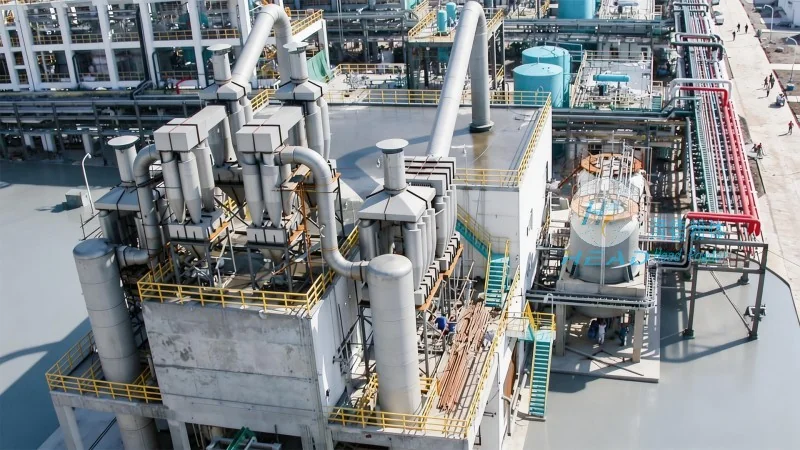
Principle of Pneumatic Conveying for Caustic Soda
The core principle of pneumatic conveying involves using air or gas to transport bulk materials through a pipeline system. In the case of caustic soda, the system typically operates under either suction (or vacuum) or pressure. The suction system draws material from a hopper or storage silo into the conveying line using a vacuum pump, while the pressure system forces material through the pipeline using a positive displacement blower or compressor. The design of the conveying line, including the pipe diameter, length, and bends, is critical to ensure smooth material flow and minimize pressure drop. For caustic soda, which can be abrasive and corrosive, the material of construction (e.g., stainless steel or special alloys) is essential to prevent wear and degradation of the equipment. The system also incorporates components such as feeders, filters, and dust collectors to maintain material quality and environmental compliance.
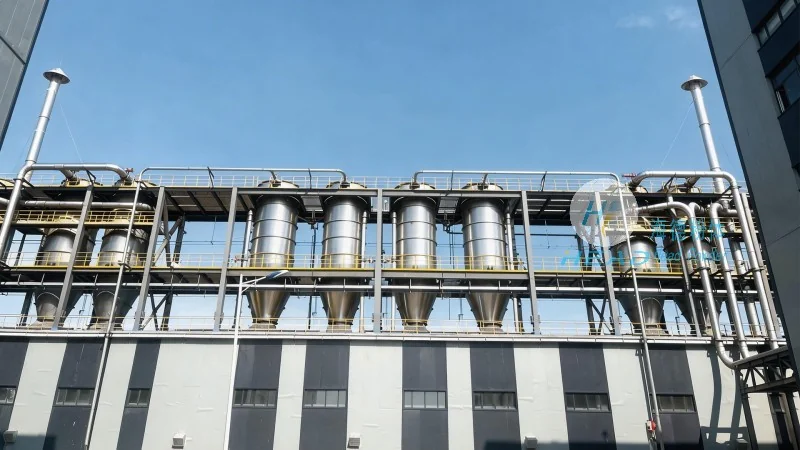
Working Scene Characteristics of Caustic Soda Pneumatic Conveying
The working scene characteristics of caustic soda pneumatic conveying systems are shaped by the specific requirements of industrial applications. One key characteristic is the need for a closed, dust-free environment to prevent exposure to caustic soda dust, which can cause respiratory and skin irritation. This is achieved through the use of sealed hoppers, conveying lines, and discharge equipment, ensuring that the material remains contained throughout the process. Another important characteristic is the system's adaptability to different production scales, from small-scale laboratory operations to large-scale industrial plants. The flexibility of pneumatic conveying allows for easy integration into existing production lines, with the ability to adjust flow rates and material handling capacities as needed. Additionally, the system's ability to handle fine powders and granules without clogging or blockages is a significant advantage, as caustic soda can have varying particle sizes and flow properties. The working scene also includes considerations for material compatibility, such as the use of corrosion-resistant materials to prevent chemical reactions with the caustic soda, and the implementation of safety measures to protect operators from accidental spills or leaks.
Applications and Benefits in Industrial Settings
Caustic soda pneumatic conveying systems are widely used in various industrial applications where the safe and efficient transport of caustic soda is essential. In chemical manufacturing, these systems are employed to transfer caustic soda from storage tanks to reactors or processing units, ensuring a continuous supply of material without interruptions. In water treatment facilities, pneumatic conveying is used to transport caustic soda for pH adjustment and water softening processes, where precise control of the material flow is critical. The benefits of using pneumatic conveying for caustic soda include improved safety by reducing human exposure to dust, increased efficiency through automated material handling, and reduced maintenance costs due to the enclosed system design. Furthermore, the system's ability to handle high volumes of material at a consistent rate enhances overall production throughput, making it a preferred choice for industries that rely on caustic soda as a key raw material.
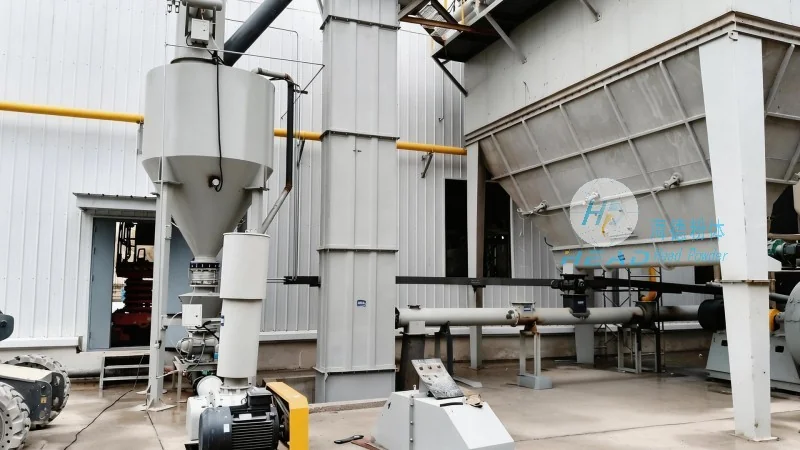
Customization and Technical Advancements by HeadPowder
Shandong HeadPowder Engineering Co., Ltd. specializes in the design and manufacturing of customized pneumatic conveying solutions tailored to the specific needs of caustic soda applications. The company, known as HeadPowder, leverages advanced engineering and material science to develop systems that meet the rigorous requirements of handling caustic soda. Their expertise includes the selection of appropriate materials for construction, such as stainless steel grades that resist corrosion from caustic soda, and the optimization of conveying line designs to ensure efficient material transport. HeadPowder's systems are designed to be scalable, allowing for integration into both new and existing production facilities. The company also provides comprehensive support, including installation, commissioning, and maintenance services, to ensure that the pneumatic conveying systems operate at peak performance. By focusing on the unique characteristics of caustic soda, HeadPowder delivers solutions that enhance safety, efficiency, and reliability in industrial operations.