

Principle and Working Scene Characteristics of Coffee Bean Material Pneumatic Conveying Machine
For coffee processing facilities, efficient and reliable material handling is crucial to maintaining production efficiency and product quality. The coffee bean material pneumatic conveying machine, developed by Shandong HeadPowder Engineering Co., Ltd., represents a significant advancement in this field. This article will explore the fundamental principles behind this equipment and its typical application scenarios, providing a comprehensive understanding of its role in modern coffee production.
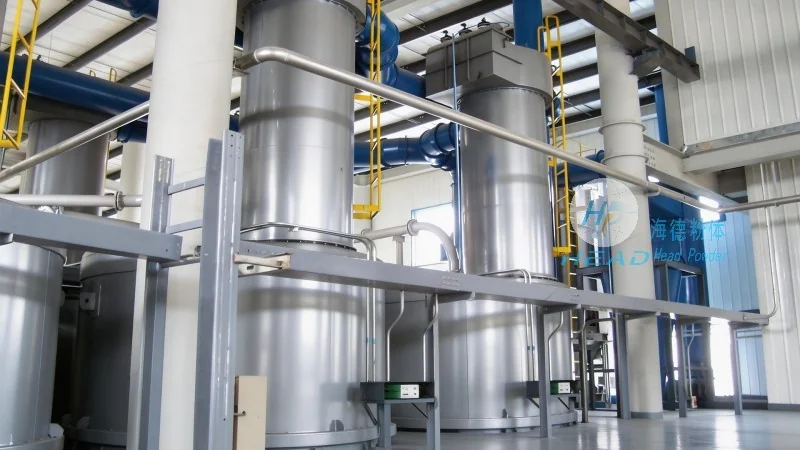
Company Overview
Shandong HeadPowder Engineering Co., Ltd. is a leading manufacturer specializing in powder processing equipment. With a strong focus on innovation and customer-centric solutions, the company has established itself as a trusted partner in the food and beverage industry. HeadPowder's commitment to quality and technical excellence is reflected in its comprehensive product line, which includes advanced pneumatic conveying systems tailored for various bulk material handling needs.
Introduction to Coffee Bean Pneumatic Conveying
The coffee bean material pneumatic conveying machine operates on the principle of using compressed air to transport solid particles through a pipeline system. Unlike traditional mechanical conveyors, this system eliminates the need for moving parts in contact with the material, reducing wear and maintenance requirements. The core mechanism involves a hopper where coffee beans are loaded, a compressor that generates the necessary air pressure, and a series of pipes that guide the material from the source to the destination. As coffee beans are drawn into the pipeline by the airflow, they are carried along with the air stream, reaching the desired processing or storage location.
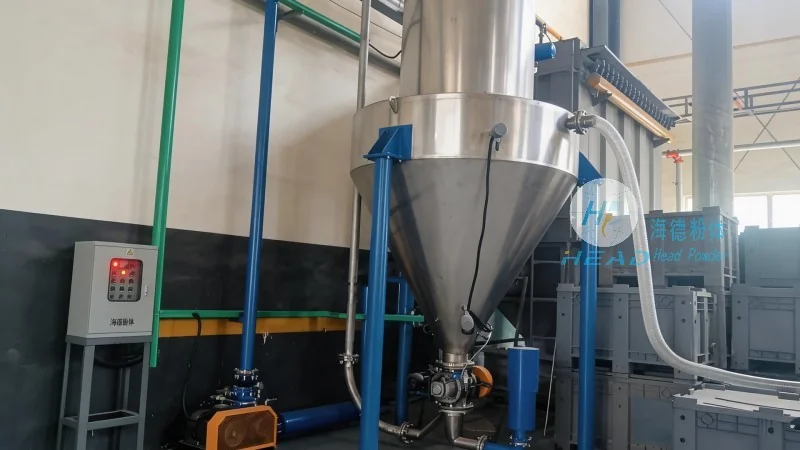
Key Working Principles
The pneumatic conveying process for coffee beans relies on several key principles to ensure efficient transport. First, the air velocity within the pipeline must be sufficient to overcome the gravitational force acting on the coffee beans, preventing them from settling and clogging the system. This is achieved by maintaining an appropriate air pressure and flow rate, which can be adjusted based on the specific characteristics of the coffee beans, such as size, density, and moisture content. Second, the system employs a combination of positive and negative pressure zones to control the direction of material flow. In positive pressure systems, air is forced through the pipeline, pushing the coffee beans forward, while negative pressure systems create a vacuum that pulls the material. For coffee bean handling, a positive pressure system is commonly used due to its ability to handle larger particles and prevent dust accumulation.
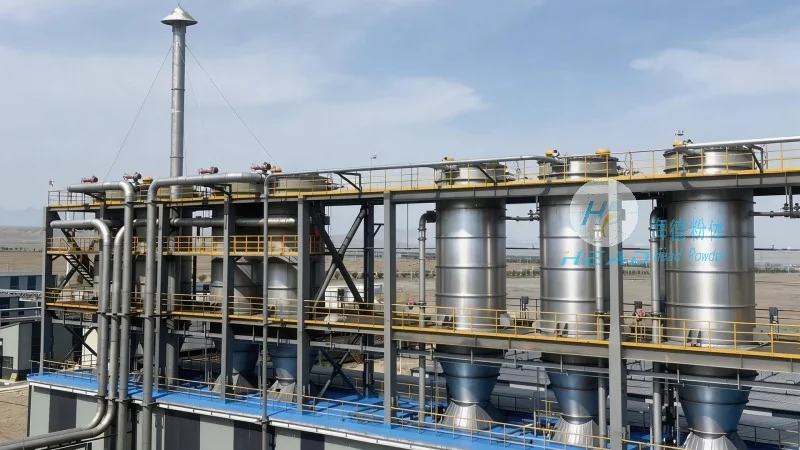
Typical Working Scene Characteristics
The application of coffee bean pneumatic conveying machines is characterized by several distinct features that make them ideal for coffee processing environments. One primary advantage is the ability to handle coffee beans in a hygienic and dust-free manner, which is critical for maintaining product quality and meeting regulatory standards. The enclosed pipeline system prevents contamination from external sources and minimizes the risk of cross-contamination between different batches of coffee beans. Additionally, the system offers flexibility in layout, allowing for horizontal, vertical, or inclined transport paths, which can be customized to fit the spatial constraints of a coffee processing facility.
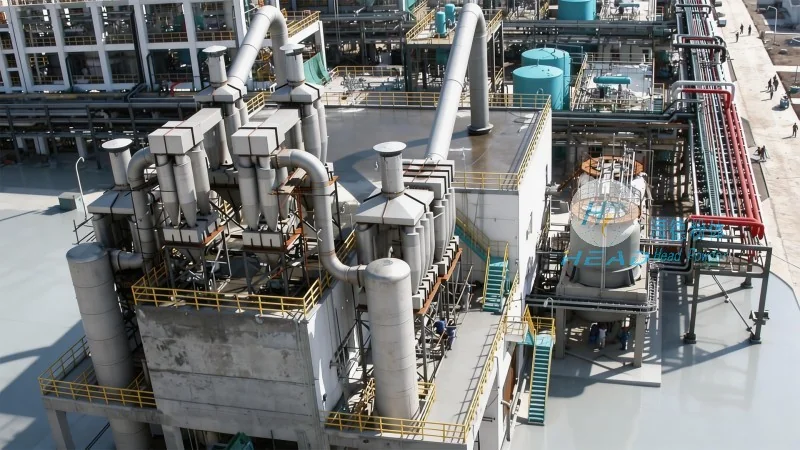
Advantages in Coffee Production
Implementing a coffee bean material pneumatic conveying machine brings numerous benefits to coffee production operations. From an operational perspective, the system reduces labor costs by automating the material transport process, minimizing the need for manual handling and reducing the risk of workplace injuries. It also enhances production efficiency by ensuring a continuous and steady flow of coffee beans to processing units, such as roasters or packaging lines. Furthermore, the reduced maintenance requirements compared to traditional conveyors lower long-term operational costs and downtime. From a quality control standpoint, the enclosed system maintains the integrity of the coffee beans, preserving their flavor and aroma, which is essential for producing high-quality coffee products.
Conclusion
In conclusion, the coffee bean material pneumatic conveying machine, developed by Shandong HeadPowder Engineering Co., Ltd., is a sophisticated solution for efficient coffee bean handling. By leveraging the principles of pneumatic transport, this equipment addresses the unique challenges of coffee processing, including material characteristics and hygiene requirements. Its application in modern coffee production facilities highlights the importance of advanced material handling technology in maintaining productivity and product quality. As the demand for high-quality coffee products continues to grow, the role of such specialized equipment will remain critical in supporting the industry's needs.