

Principle and Working Scene Characteristics of Gypsum Particle Material Pneumatic Conveying Equipmen
HeadPowder, a leading manufacturer based in Shandong, China, specializes in the design and production of advanced pneumatic conveying systems tailored for handling gypsum particles. This article delves into the fundamental principles underlying these systems and explores the typical operational environments where they are most effectively applied.
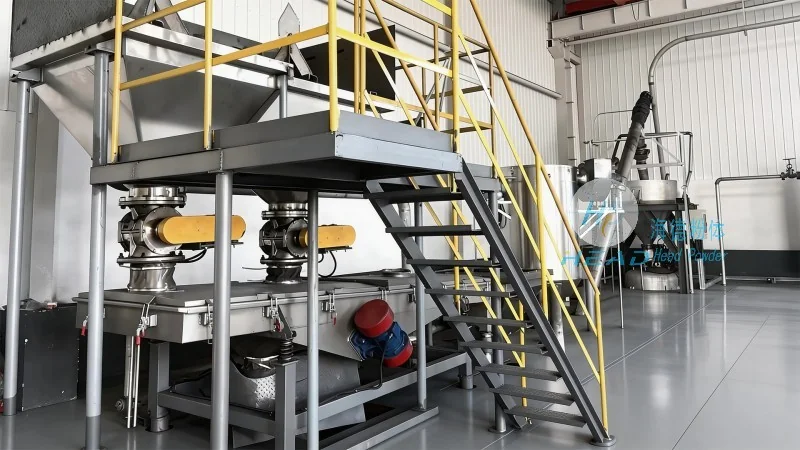
Principle of Pneumatic Conveying for Gypsum Particles
The core principle of pneumatic conveying for gypsum particles involves the use of air or gas as the conveying medium to transport dry, free-flowing materials like gypsum through a pipeline system. Unlike traditional mechanical conveyors, which rely on mechanical components such as belts or screws, pneumatic systems utilize pressure differentials or vacuum to move the material. The process typically begins with the material being fed into a hopper or feeder, where it is then introduced into a pipeline. Compressed air or a vacuum is then applied to create a flow that propels the gypsum particles through the system. This method offers several advantages, including the ability to transport materials over long distances, vertical and horizontal movement capabilities, and reduced risk of material contamination compared to mechanical systems.
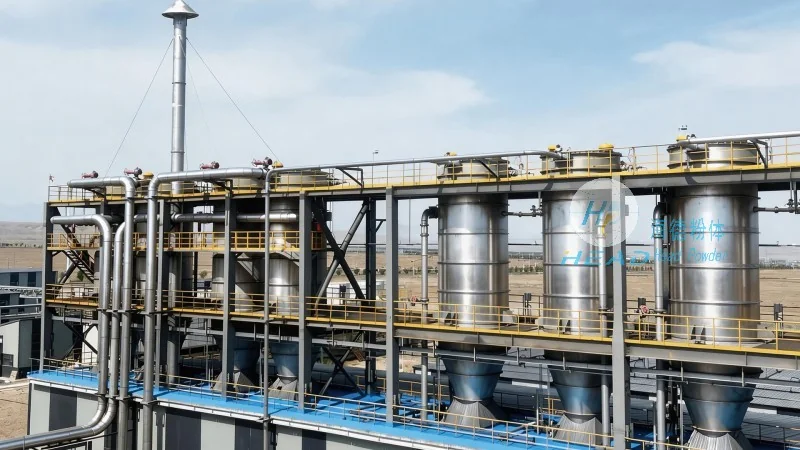
Key Components and Their Functions
A typical gypsum particle pneumatic conveying system consists of several critical components, each playing a vital role in the overall operation. The main components include the hopper or feeder, which stores and feeds the gypsum material; the conveying line, which is the pipeline through which the material travels; the air or gas source, which provides the necessary pressure or vacuum; and the control system, which regulates the flow and pressure. The hopper is designed to maintain a consistent material level and prevent blockages, while the feeder ensures a steady supply of gypsum into the conveying line. The conveying line is usually made of materials resistant to gypsum's chemical properties, such as stainless steel or specialized plastic, to prevent corrosion and wear. The air or gas source, often a blower or vacuum pump, generates the pressure or vacuum required to move the material. The control system monitors and adjusts the flow rate, pressure, and other parameters to ensure efficient and safe operation.
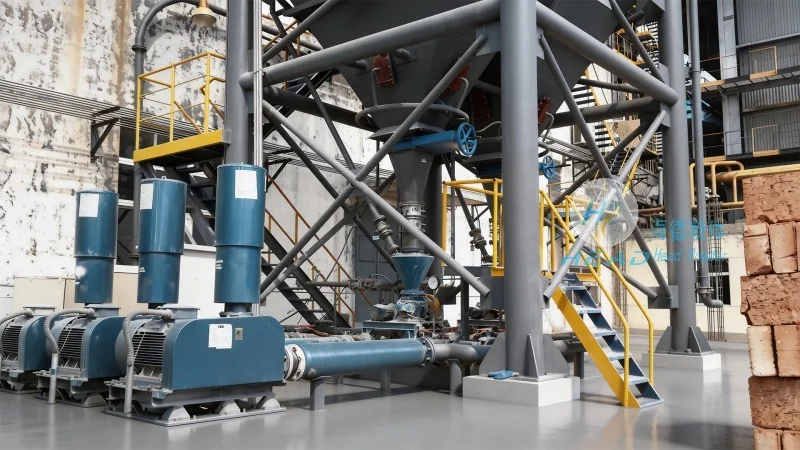
Working Scene Characteristics
Gypsum particle pneumatic conveying equipment is widely used in various industrial applications where the handling of dry, fine materials is essential. The working scene characteristics of these systems are tailored to meet the specific demands of different industries, ensuring optimal performance and reliability. One of the primary applications is in the construction industry, where gypsum is used as a raw material for plaster and drywall products. In this scenario, the pneumatic system is used to transport gypsum from storage silos to production lines, ensuring a continuous and efficient supply of material. Another key application is in the mining and processing industry, where gypsum is extracted from mines and needs to be transported to processing facilities. The pneumatic conveying system allows for the safe and efficient transport of gypsum over long distances, even in challenging terrains. Additionally, in the agricultural sector, gypsum is used as a soil amendment, and the pneumatic system facilitates its distribution across large agricultural areas. The working scene characteristics also include the ability to handle different particle sizes and moisture contents, making the system versatile for various gypsum types. The systems are designed to operate in both indoor and outdoor environments, with appropriate weatherproofing and protection for the components. This flexibility allows them to be integrated into existing industrial setups or new construction projects, adapting to the specific needs of each application.
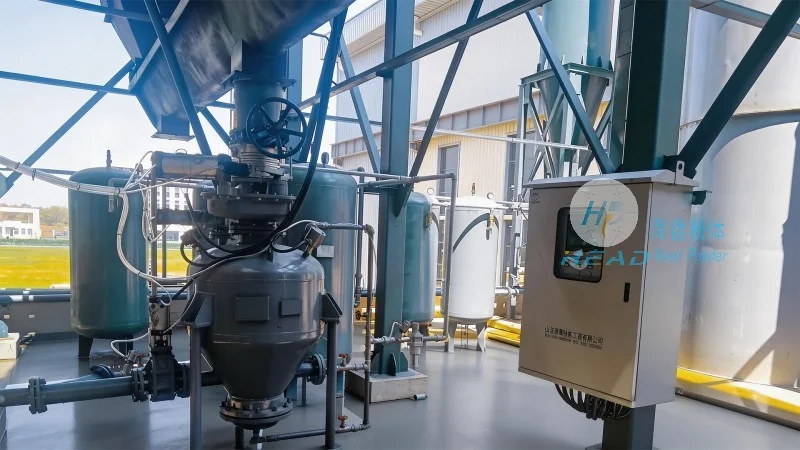
Advantages and Considerations
Implementing gypsum particle pneumatic conveying equipment offers several advantages that make it a preferred choice for many industries. One of the most significant benefits is the reduction in material handling costs compared to traditional mechanical systems. Pneumatic systems eliminate the need for moving parts like belts or screws, which can wear out and require frequent maintenance. This leads to lower operational costs and increased uptime. Additionally, the systems are more hygienic and less prone to contamination, which is crucial in industries where material purity is essential, such as food processing or pharmaceuticals. The ability to transport materials over long distances without the need for intermediate storage or transfer points also enhances efficiency. However, there are considerations to keep in mind when using pneumatic conveying systems for gypsum. The system's performance is highly dependent on the material's properties, such as particle size, moisture content, and flowability. If the gypsum is too fine or contains excessive moisture, it may lead to blockages or reduced conveying efficiency. Proper material preparation, such as drying and screening, is essential to ensure optimal performance. Furthermore, the system requires regular maintenance to ensure the air or gas source operates efficiently and the conveying line remains clear of debris. Proper training for operators and regular inspections are necessary to maintain the system's reliability and safety.