

Principle and Working Scene Characteristics of a Reduction Iron Powder Material Pneumatic Conveying
HeadPowder, a leading manufacturer based in Shandong, China, specializes in providing advanced pneumatic conveying solutions tailored for reduction iron powder applications. This article explores the fundamental principles behind these systems and highlights the key characteristics of their working environments, offering insights into their practical implementation in industrial settings.
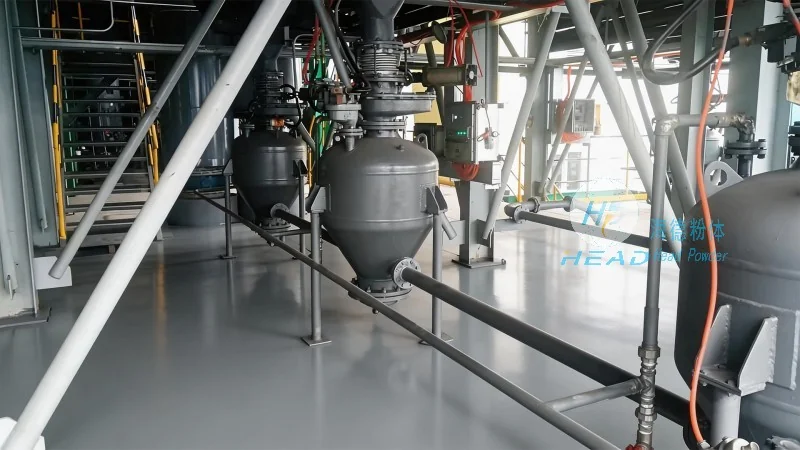
Introduction to Pneumatic Conveying Systems for Reduction Iron Powder
Pneumatic conveying systems are essential for efficiently transporting reduction iron powder, a critical material in various industrial processes such as steel production, chemical manufacturing, and metallurgy. These systems utilize air or gas to move bulk materials through a network of pipes, eliminating the need for mechanical components like belts or buckets. The technology is particularly advantageous for handling fine, dusty, or abrasive powders like reduction iron powder, which are often challenging to transport using traditional methods.
Principle of Pneumatic Conveying for Reduction Iron Powder
The core principle of pneumatic conveying involves the creation of a pressure differential between the inlet and outlet of the conveying line. In positive pressure systems, air is forced into the material to be transported, while in negative pressure (or vacuum) systems, air is drawn out, creating a suction effect. For reduction iron powder, positive pressure systems are commonly preferred due to their ability to handle high material loads and maintain consistent flow rates. The process typically involves feeding the powder into a hopper, where it is mixed with compressed air and then propelled through the pipeline to the destination point. The design of the system, including the size of the pipes, the velocity of the air, and the angle of the conveying line, is critical to ensuring efficient and reliable transport.
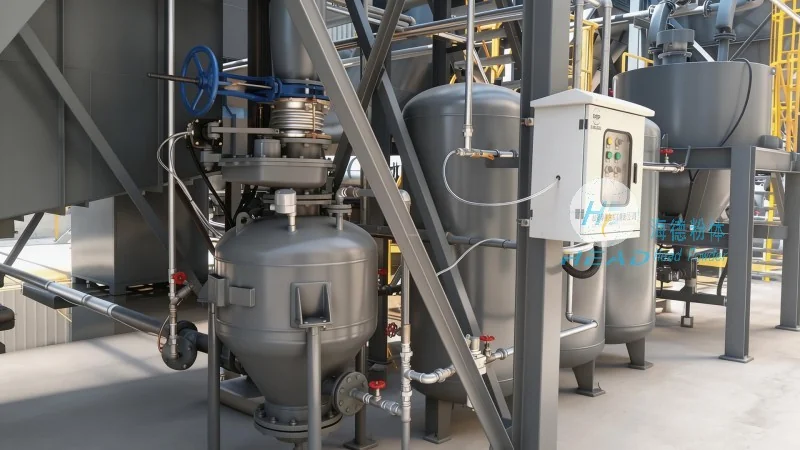
Key Working Scene Characteristics
The working scene characteristics of pneumatic conveying systems for reduction iron powder are shaped by several factors, including the nature of the material, the scale of the operation, and the specific industrial requirements. One key characteristic is the need for high efficiency and low maintenance, as reduction iron powder is often used in high-volume production environments where downtime can be costly. The systems must also be capable of handling the abrasive properties of the powder, which can cause wear on components over time. Additionally, the systems are designed to minimize dust emissions and ensure compliance with environmental regulations, making them suitable for use in both indoor and outdoor industrial settings.
Application Scenarios and Operational Advantages
In industrial settings, the pneumatic conveying of reduction iron powder is employed in a variety of scenarios, from small-scale laboratory applications to large-scale production lines. For example, in steel mills, reduction iron powder is used to enhance the properties of steel, and pneumatic conveying systems ensure that the powder is delivered to the processing equipment in a controlled and consistent manner. In chemical plants, the material may be used as a catalyst or additive, and the conveying system must maintain the purity of the powder by preventing contamination from external sources. The operational advantages of these systems include improved safety, as the material is contained within the pipeline, reducing the risk of dust explosions or inhalation hazards. Furthermore, the systems offer flexibility in terms of layout, allowing for the integration of multiple conveying lines and destinations within a facility.
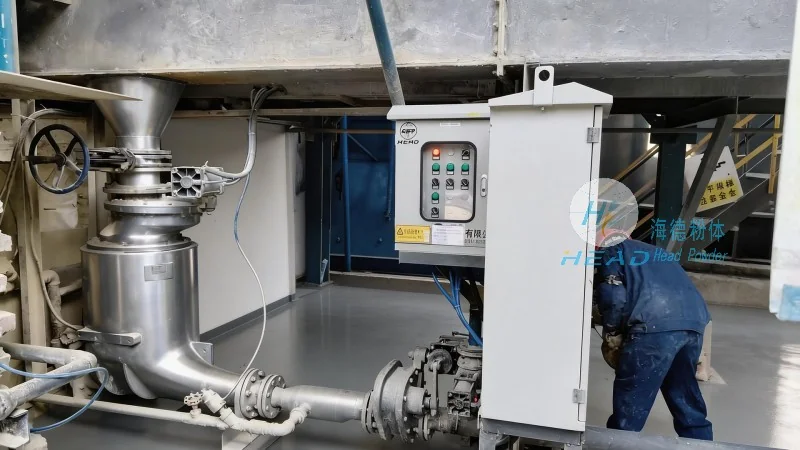
Technical Specifications and Customization Options
HeadPowder's pneumatic conveying systems for reduction iron powder are designed with a range of technical specifications to meet diverse industrial needs. These systems can be customized to handle different particle sizes, moisture contents, and flow rates, ensuring optimal performance for each application. The company's engineers work closely with clients to understand their specific requirements and develop solutions that maximize efficiency and minimize operational costs. Key technical aspects include the selection of appropriate air pressure, the use of specialized materials for the conveying pipes to resist corrosion and wear, and the integration of control systems to monitor and adjust the conveying process in real-time.
Conclusion and Industry Impact
Overall, the pneumatic conveying of reduction iron powder represents a sophisticated and efficient method for material handling in modern industrial operations. By leveraging the principles of air movement and material transport, these systems provide reliable, low-maintenance solutions that enhance productivity and safety. As a leading manufacturer in the field, HeadPowder continues to innovate and refine its pneumatic conveying technologies, ensuring that clients in Shandong and beyond have access to the best possible solutions for their reduction iron powder handling needs.