

Operation Process and Working Principle of Large-Scale Pneumatic Conveying
Large-scale pneumatic conveying systems are critical in industrial applications for transporting bulk materials over long distances with efficiency and reliability. These systems utilize air or gas as the conveying medium to move powders, granules, and other particulate materials from one location to another. Understanding the operation process and working principle is essential for optimizing performance and ensuring smooth operation in various industrial settings.
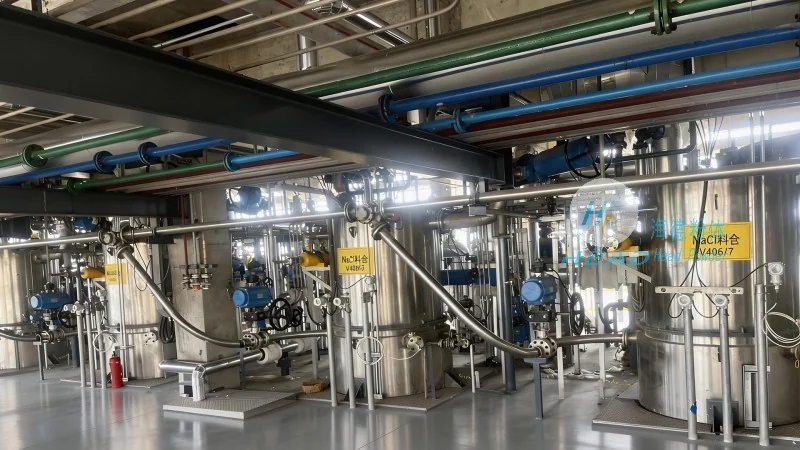
Key Components of a Large-Scale Pneumatic Conveying System
At the core of a large-scale pneumatic conveying system are several key components that work in tandem to facilitate material transport. The primary components include the material feed hopper, which holds the bulk material; the conveying line, typically a pipeline where the material is propelled by air; the air compressor or blower, which generates the necessary air pressure; and the control system that regulates the flow of both material and air. Additionally, components such as rotary valves, filters, and dust collectors may be integrated to enhance system efficiency and safety.
The Operation Process of Large-Scale Pneumatic Conveying
The operation process of a large-scale pneumatic conveying system involves a series of steps designed to ensure efficient material transfer. Initially, the bulk material is fed into the material hopper from a storage silo or other source. The material then flows into the conveying line through a rotary valve, which controls the rate of material discharge. Simultaneously, the air compressor or blower generates high-pressure air, which is introduced into the conveying line at the inlet. The air and material mixture travels through the pipeline, with the air providing the necessary force to move the material to the destination point. At the receiving end, the material is discharged into a receiving hopper or silo, while the air is typically filtered and recycled back into the system to conserve energy and reduce waste.
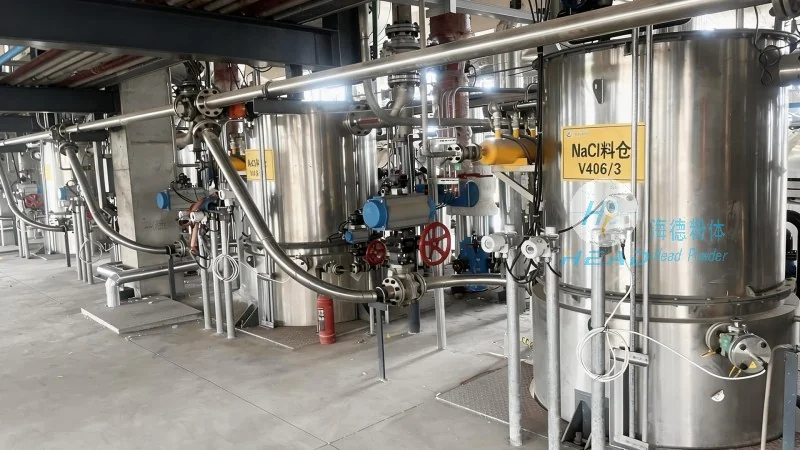
Working Principle of Large-Scale Pneumatic Conveying
The working principle of large-scale pneumatic conveying relies on the fundamental concept of fluidization and pneumatic transport. When air is introduced into the conveying line at a sufficient velocity, it creates a fluidized bed within the pipeline, allowing the material particles to be suspended and transported along with the air stream. The key to effective operation lies in maintaining the correct air-to-material ratio, which ensures that the material remains suspended without settling or clogging the pipeline. This ratio is determined by factors such as the material's density, particle size, and the system's pressure and flow rates. Proper design and maintenance of the system components are crucial to achieving optimal performance and preventing issues such as blockages or excessive energy consumption.
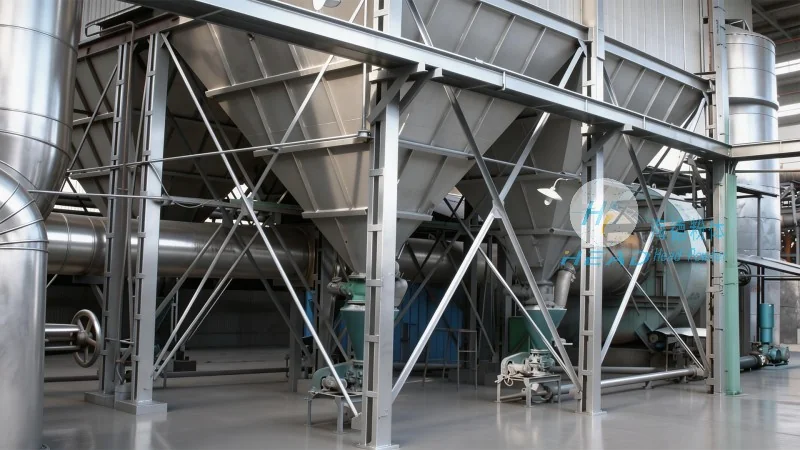
Applications and Benefits of Large-Scale Pneumatic Conveying
Large-scale pneumatic conveying systems are widely used in various industries, including food processing, pharmaceuticals, chemicals, and mining. The primary benefits of these systems include the ability to transport materials over long distances without the need for mechanical conveyors, which can be costly and space-consuming. Additionally, pneumatic conveying systems offer advantages such as reduced material degradation, improved safety by minimizing manual handling, and the ability to handle a wide range of materials, from fine powders to bulk granules. The systems are also flexible, allowing for easy integration into existing production lines and modifications to accommodate changing material requirements.
Conclusion and Company Overview
Large-scale pneumatic conveying systems represent a sophisticated and efficient solution for bulk material transport in industrial applications. By understanding the operation process and working principle, industries can optimize their material handling processes, reduce operational costs, and enhance overall productivity. Shandong HeadPowder Engineering Co., Ltd., a leading provider in this field, specializes in designing and manufacturing high-quality pneumatic conveying systems tailored to meet the specific needs of various industries. With a focus on innovation and customer satisfaction, the company ensures that its systems are reliable, efficient, and compliant with industry standards. HeadPowder's commitment to quality and performance has made it a trusted partner for businesses seeking to improve their material handling capabilities. Located in Shandong, China, the company leverages its expertise and local resources to deliver solutions that drive operational excellence and sustainability in material transport.