

Operation Process and Working Principle of Positive Pressure Blowing Type Pneumatic Conveying
Positive pressure blowing type pneumatic conveying systems are advanced industrial equipment designed to transport bulk materials efficiently through a pipeline network using compressed air. This technology is widely used in various industries such as food processing, chemical manufacturing, and pharmaceutical production due to its ability to handle a wide range of materials with minimal product degradation. The system operates by generating a positive pressure within the conveying line, which propels the material from the source to the destination. This method offers several advantages over traditional suction conveying, including higher material transport rates, reduced product contamination, and improved system reliability.
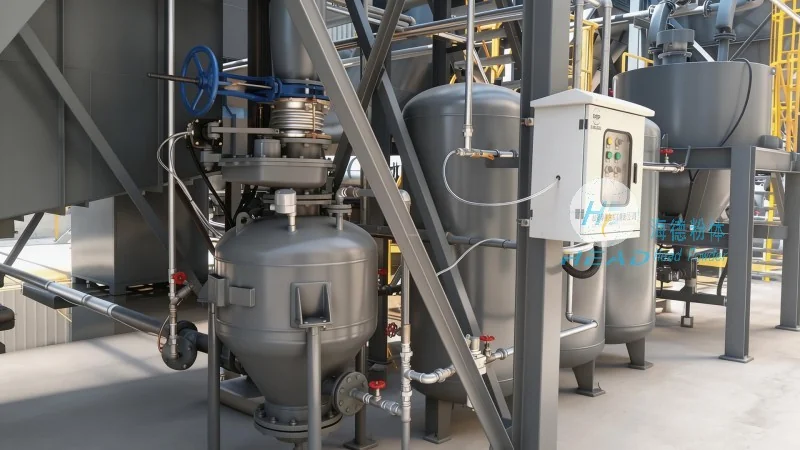
Company Overview: Shandong HeadPowder Engineering Co., Ltd.
HeadPowder, the company behind these advanced pneumatic conveying solutions, is a leading manufacturer and supplier of bulk material handling equipment. With a strong presence in the Chinese market, particularly in Shandong province, HeadPowder specializes in designing, manufacturing, and installing customized pneumatic conveying systems tailored to meet the specific needs of clients. The company's commitment to quality and innovation has earned it a reputation for delivering reliable and efficient solutions that enhance operational efficiency and reduce downtime for its customers.
Key Components of the Positive Pressure Blowing Type System
The positive pressure blowing type pneumatic conveying system consists of several critical components that work in tandem to ensure smooth material transport. These components include a material feeder, a positive pressure blower or compressor, a conveying pipeline, a receiver or destination vessel, and various control and monitoring devices. The material feeder is responsible for feeding the bulk material into the system, ensuring a consistent flow rate. The positive pressure blower generates the necessary air pressure to move the material through the pipeline. The conveying pipeline, typically made of stainless steel or other corrosion-resistant materials, is designed to withstand the pressure and ensure minimal material loss. The receiver is where the material is deposited, and control devices monitor the system's performance, providing real-time feedback to optimize operation.
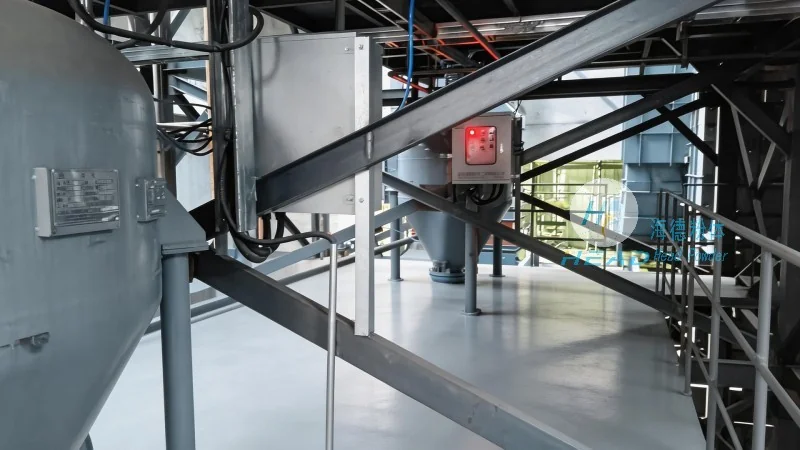
Operation Process of the Positive Pressure Blowing Type System
The operation process of a positive pressure blowing type pneumatic conveying system involves several key steps. First, the bulk material is loaded into the material feeder. The feeder then meters the material into the conveying line at a controlled rate. Simultaneously, the positive pressure blower starts and generates compressed air, which is introduced into the pipeline. The compressed air creates a positive pressure environment, which propels the material forward. As the material travels through the pipeline, it is mixed with the air, forming a dense phase flow. The system's control devices monitor the pressure and flow rates, adjusting the blower speed or feeder rate as needed to maintain optimal performance. The material reaches the destination receiver, where the air is separated from the material, and the material is discharged. The air is then filtered and returned to the blower or released, depending on the system design.
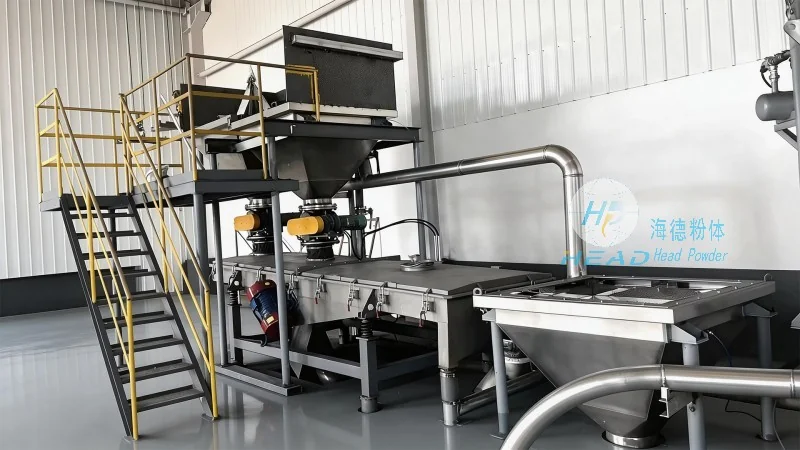
Working Principle of the Positive Pressure Blowing Type System
The working principle of the positive pressure blowing type pneumatic conveying system is based on the principle of fluid dynamics and pressure differentials. The system operates by creating a pressure gradient within the conveying line, with higher pressure at the source (where the material is fed) and lower pressure at the destination (where the material is received). This pressure difference drives the material forward. The compressed air acts as the driving force, carrying the material particles along the pipeline. The density of the material-air mixture determines the conveying velocity and efficiency. In a dense phase conveying mode, the material is carried in a slurry-like state, which reduces particle attrition and improves material integrity. The system's design allows for precise control of the air and material flow rates, ensuring that the material is transported safely and efficiently without causing blockages or system failures.
Advantages of Positive Pressure Blowing Type Pneumatic Conveying
Positive pressure blowing type pneumatic conveying systems offer several advantages over other material handling methods. One of the primary advantages is the ability to transport materials over long distances with minimal energy consumption. The system can handle a wide variety of materials, including powders, granules, and even wet or sticky substances, without requiring additional processing steps. The positive pressure environment reduces the risk of product contamination, as the material is not exposed to external air or contaminants. Additionally, the system is compact and can be installed in various industrial settings, making it suitable for both new and existing facilities. The use of stainless steel components ensures durability and resistance to corrosion, extending the system's lifespan. Overall, the positive pressure blowing type pneumatic conveying system provides a reliable and efficient solution for bulk material transport, enhancing productivity and reducing operational costs for industrial applications.