

Operation Process and Working Principle of Centralized Feeding System Equipment
Shandong HeadPowder Engineering Co., Ltd., a leading manufacturer in the field, specializes in the design, development, and production of advanced centralized feeding system equipment. Headpowder, as the company is commonly known, is headquartered in Shandong, China, and has established itself as a trusted provider of high-quality feeding solutions for various industrial applications. The company's commitment to innovation and precision engineering ensures that their equipment meets the stringent requirements of modern manufacturing processes.
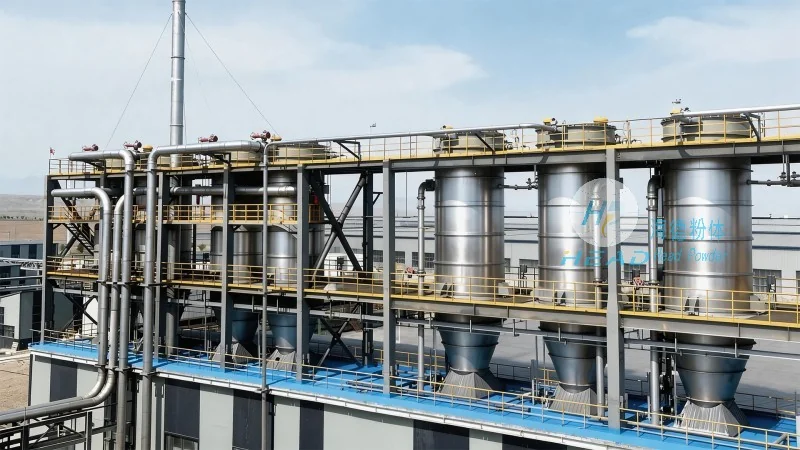
Overview of the Centralized Feeding System
The centralized feeding system is a sophisticated piece of industrial equipment designed to efficiently and uniformly distribute raw materials or bulk materials to multiple processing units within a production facility. This system is particularly beneficial in industries such as pharmaceuticals, food processing, chemical manufacturing, and powder handling, where consistent material flow and precise dosing are critical for maintaining product quality and operational efficiency. The system typically consists of several key components, including a main hopper, feeding mechanisms, conveying systems, and control units, all integrated to work in harmony to achieve seamless material transfer.
Key Components and Their Functions
At the core of the centralized feeding system are several essential components that work together to ensure optimal performance. The main hopper serves as the primary storage vessel for the raw materials, providing a large capacity to accommodate bulk quantities. This hopper is equipped with a feeding mechanism, which may include a screw feeder, vibratory feeder, or rotary valve, depending on the material characteristics and application requirements. The feeding mechanism regulates the flow rate of the material from the hopper, ensuring a consistent and controlled output. Conveying systems, such as pneumatic or mechanical conveyors, transport the material from the feeding point to the individual processing stations. These conveyors are designed to handle different material types and flow rates, maintaining the integrity of the material during transport. Control units, often equipped with advanced sensors and programmable logic controllers (PLCs), monitor and regulate the entire system. These units provide real-time feedback on material levels, flow rates, and system performance, allowing for immediate adjustments to maintain optimal operation.
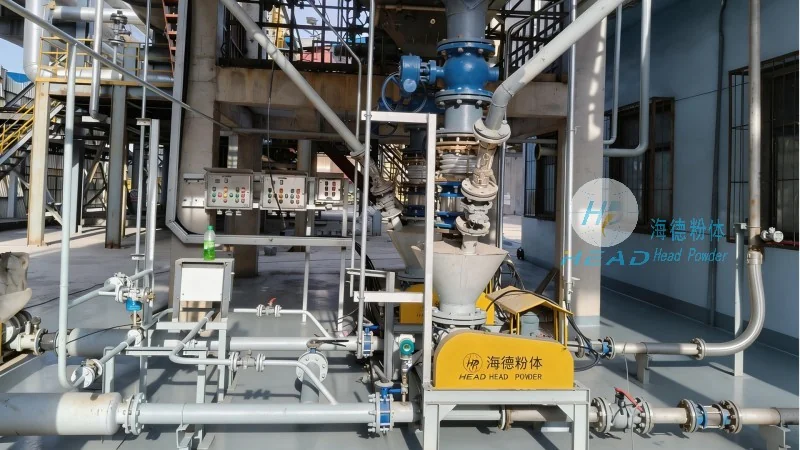
Operation Process of the Centralized Feeding System
The operation of the centralized feeding system follows a systematic sequence to ensure smooth material handling. The process begins with the loading of raw materials into the main hopper. The material is then fed from the hopper into the feeding mechanism, which adjusts the flow rate based on the demand from the processing units. The conveying system transports the material to the respective processing stations, where it is further processed or used as required. The control units continuously monitor the system, adjusting the feeding rate and conveying speed to maintain a balanced flow. This dynamic adjustment ensures that the material is delivered to each processing unit at the right time and in the right quantity, preventing bottlenecks or overloading. The system also includes safety features, such as overload protection and material level sensors, to prevent accidents and ensure safe operation.
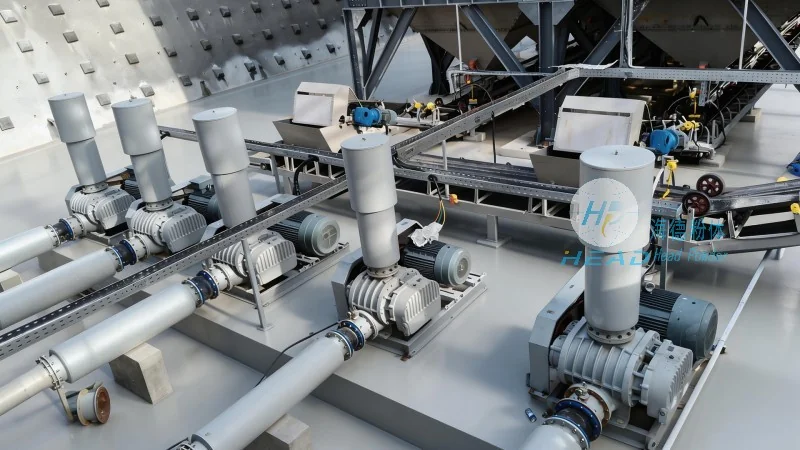
Working Principle of the Centralized Feeding System
The working principle of the centralized feeding system is based on the principles of material flow and control. The system operates by converting the potential energy stored in the material within the hopper into kinetic energy, which drives the material through the feeding and conveying mechanisms. The feeding mechanism uses mechanical or pneumatic forces to move the material, while the conveying system uses air or mechanical power to transport it. The control units use sensors to detect the material level, flow rate, and pressure, and then adjust the system parameters accordingly. This closed-loop control system ensures that the material flow is consistent and predictable, minimizing variations and ensuring high-quality output. The system's design allows for flexibility in handling different material types, from fine powders to bulk solids, by adjusting the feeding mechanism and conveying system parameters. This adaptability makes the centralized feeding system suitable for a wide range of industrial applications.
Benefits and Applications
The centralized feeding system offers numerous benefits to industrial operations. By centralizing the material handling process, the system reduces the need for multiple individual feeding units, which can save space and reduce operational costs. The consistent flow of material ensures that processing units receive the right amount of material at the right time, improving production efficiency and reducing waste. The advanced control systems provide real-time monitoring and data logging, enabling operators to identify and address issues promptly. This leads to improved product quality and reduced downtime. The system is widely used in industries such as pharmaceuticals, where precise dosing is critical for drug formulation. In food processing, the system ensures that ingredients are mixed uniformly, maintaining product consistency. In chemical manufacturing, the system helps in controlling the flow of reactive materials, enhancing safety and efficiency. Overall, the centralized feeding system enhances operational efficiency, improves product quality, and reduces costs for industrial manufacturers.