

Operation Process and Working Principle of a Metering and Mixing System
At Shandong HeadPowder Engineering Co., Ltd., we specialize in the design, manufacturing, and implementation of advanced metering and mixing systems. These systems are integral to various industrial applications, ensuring precise material handling and consistent product quality. This article delves into the operation process and working principle of such systems, highlighting their key components and functional mechanisms.
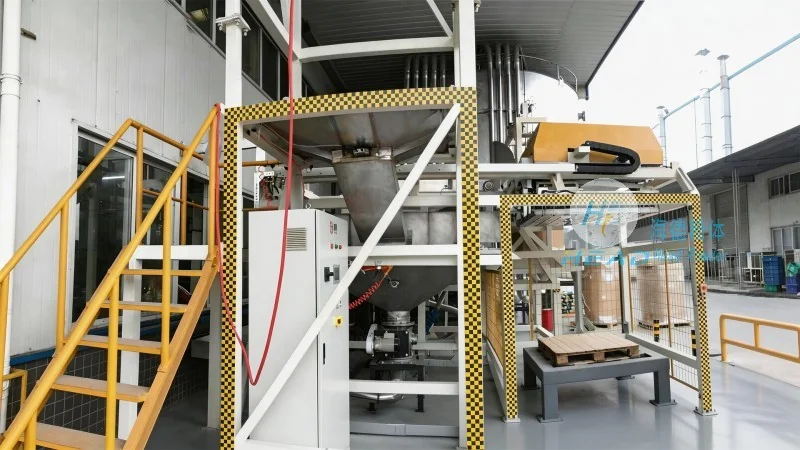
Overview of Metering and Mixing Systems
A metering and mixing system is a sophisticated piece of equipment used to measure, transport, and blend different raw materials with high accuracy. The primary goal is to achieve uniform mixtures, which are crucial in industries like pharmaceuticals, food processing, and chemical manufacturing. The system typically consists of several interconnected components, including feeders, conveyors, mixers, and control units, all working in tandem to deliver precise results.
Key Components and Their Functions
1. Feeders: These are the initial components responsible for measuring and delivering raw materials. There are various types of feeders, such as volumetric, gravimetric, and loss-in-weight feeders, each suited for different material characteristics and application requirements. The feeder's accuracy directly impacts the overall system performance, as it determines the quantity of each ingredient added to the mix.
2. Conveyors: Once the materials are measured by the feeders, they are transported to the mixing unit via conveyors. Conveyors can be pneumatic, mechanical, or screw-type, depending on the material's physical properties. The primary function is to move the materials efficiently and without segregation, ensuring that each batch receives the correct proportion of ingredients.
3. Mixers: The mixing unit is where the actual blending occurs. Different types of mixers are used based on the material's viscosity, particle size, and the desired mix uniformity. Common mixer designs include ribbon mixers, paddle mixers, and high-shear mixers. The mixer's speed and mixing time are critical parameters that affect the final product's consistency.
4. Control Units: Modern metering and mixing systems are equipped with advanced control units, often based on PLC (Programmable Logic Controller) technology. These units manage the entire process, from material feeding to mixing, by monitoring parameters like flow rates, temperatures, and mixing times. The control system ensures that the process adheres to predefined settings, minimizing human error and enhancing repeatability.
The Operation Process: Step-by-Step
The operation of a metering and mixing system follows a systematic sequence to ensure accurate and consistent results. Here is a typical workflow:
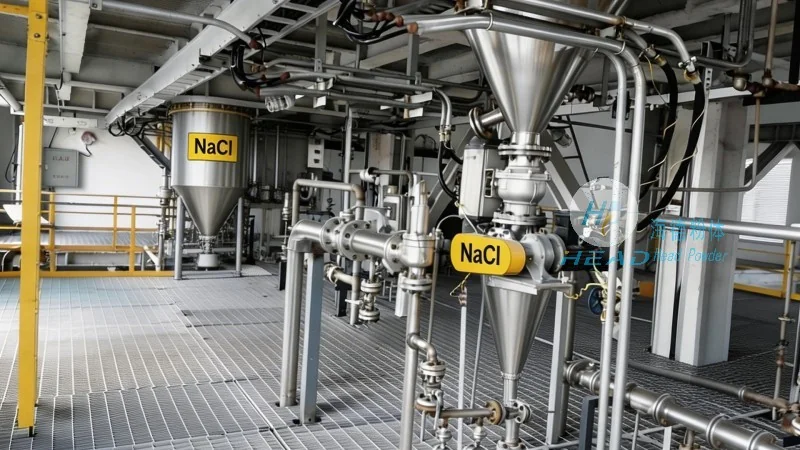
1. System Initialization: The operator starts the system by inputting the recipe parameters, such as the quantity of each raw material and the mixing time. The control unit validates these inputs and prepares the system for operation.
2. Material Feeding: The feeders begin to measure and deliver the specified amounts of each ingredient. The system continuously monitors the flow rates to ensure they match the recipe. If any deviation is detected, the control unit adjusts the feeder settings to maintain accuracy.
3. Material Transport: The conveyed materials move from the feeders to the mixer. The conveyor system ensures that the materials are delivered in the correct sequence and without mixing with other batches.
4. Mixing: Once all materials are in the mixer, the mixing process begins. The mixer operates at the predetermined speed and for the specified duration. The control unit tracks the mixing progress and stops the process once the set time is reached.
5. Discharge and Storage: After mixing, the blended material is discharged from the mixer into a storage container or directly to the next production step. The system may also perform a cleaning cycle to prepare for the next batch.
Working Principle: Ensuring Precision and Consistency
The working principle of a metering and mixing system revolves around the integration of measurement, transport, and mixing technologies. The core concept is to achieve precise control over each stage of the process, from the initial measurement of raw materials to the final blend. This is achieved through the coordinated operation of the feeder, conveyor, and mixer, all guided by the control unit.
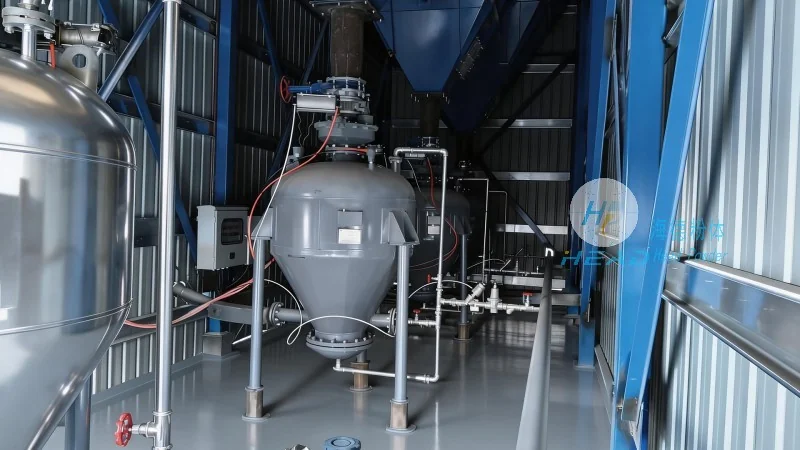
Gravimetric feeders, for example, use load cells to measure the weight of materials as they are dispensed. This method provides high accuracy, especially for materials with varying bulk densities. The control unit adjusts the feeder speed to maintain the target weight, ensuring that the exact amount of material is added to each batch. In contrast, volumetric feeders measure material volume and are suitable for materials with consistent bulk properties.
The mixing process relies on mechanical forces to break down agglomerates and distribute ingredients uniformly. The mixer's design, such as the shape of the blades or the rotation speed, determines the mixing efficiency. High-shear mixers, for instance, are used for viscous materials or those requiring fine dispersion of additives. The control unit optimizes the mixing parameters to achieve the desired uniformity, minimizing variations between batches.
Overall, the working principle emphasizes the importance of feedback control and real-time monitoring. By continuously measuring and adjusting the process parameters, the system ensures that each batch meets the required specifications. This precision is critical in industries where product consistency directly impacts quality and safety.
Applications and Benefits
Metering and mixing systems are widely used in various industries due to their ability to deliver consistent and high-quality products. The benefits of these systems include improved product uniformity, reduced material waste, and enhanced operational efficiency. In the pharmaceutical industry, for example, precise metering is essential to ensure the correct dosage of active ingredients. In food processing, consistent mixing is crucial for maintaining product taste and texture.
Another significant benefit is the reduction of human error. Automated systems eliminate the need for manual measurement and mixing, minimizing the risk of over or under-dosing. This not only improves product quality but also enhances workplace safety by reducing exposure to hazardous materials.
At Shandong HeadPowder Engineering Co., Ltd., we understand the critical role of metering and mixing systems in modern manufacturing. Our expertise lies in designing and implementing customized solutions that meet the specific needs of our clients. By leveraging advanced technology and rigorous quality control, we ensure that our systems deliver reliable performance and contribute to our clients' success.