

Operation Process and Working Principle of Copper Powder Pneumatic Conveying
For industrial applications involving the handling of copper powder, efficient and reliable material transport is crucial. Pneumatic conveying systems offer a sophisticated solution, particularly when dealing with fine powders like copper. This article delves into the operation process and working principle of copper powder pneumatic conveying, highlighting the technical aspects and practical considerations that ensure optimal performance.
Introduction to Copper Powder Pneumatic Conveying
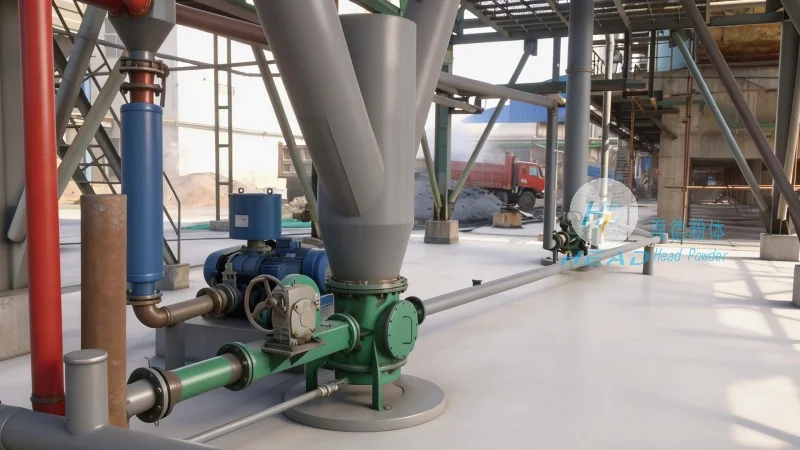
Pneumatic conveying, also known as air conveying, is a method of transporting bulk materials through a pipeline using compressed air or other gas. In the context of copper powder, this technology enables the safe and efficient movement of the material from the source to the destination, minimizing dust exposure and operational risks. The system typically involves a series of components that work in tandem to achieve the desired material flow, including a hopper, feeder, conveying line, and receiver.
Key Components of a Copper Powder Pneumatic Conveying System
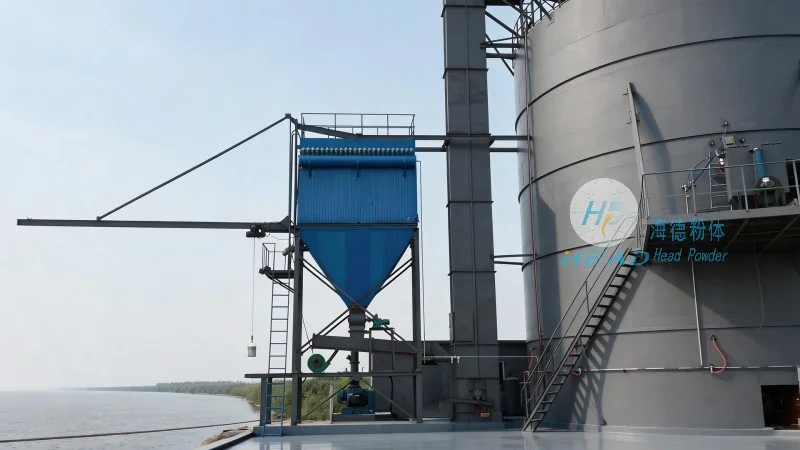
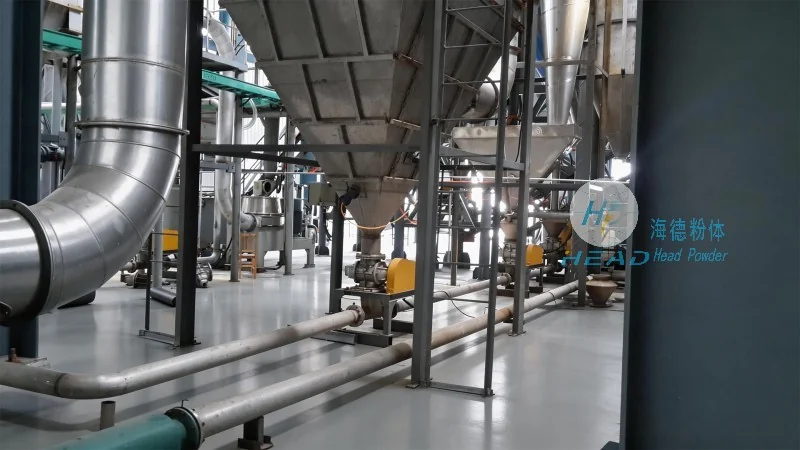
The effectiveness of a copper powder pneumatic conveying system relies on its well-designed components. Each part plays a critical role in the overall operation. The hopper serves as the storage vessel, holding the copper powder and ensuring a consistent feed. The feeder, often a rotary valve or a screw feeder, regulates the flow of powder into the conveying line, preventing overloading and maintaining a steady material stream. The conveying line, usually made of stainless steel to resist corrosion from copper particles, transports the powder and air mixture. The receiver collects the conveyed copper powder, separating it from the air using a filter or cyclone. Additionally, a compressor or blower provides the necessary air pressure to drive the material through the system.
Operation Process of Copper Powder Pneumatic Conveying
The operation process of copper powder pneumatic conveying involves several sequential steps. Initially, the copper powder is loaded into the hopper. The feeder then starts, releasing a controlled amount of powder into the conveying line. Simultaneously, the compressor generates compressed air, which is introduced into the line. The air and powder mixture travels through the pipeline, with the air providing the necessary force to move the particles. As the mixture reaches the receiver, a separator (such as a cyclone or bag filter) separates the copper powder from the air. The air is then discharged, while the copper powder is collected in the receiver. This cycle repeats as long as material is fed into the system, ensuring continuous operation.
Working Principle of Copper Powder Pneumatic Conveying
The working principle of copper powder pneumatic conveying is based on the interaction between the material particles and the air stream. When compressed air is introduced into the conveying line, it creates a pressure differential that propels the copper powder forward. The velocity of the air determines the conveying capacity and the distance the powder can travel. The system can operate in either dense phase or dilute phase, depending on the application requirements. In dense phase conveying, the air velocity is lower, resulting in a higher material concentration in the pipeline, which reduces particle attrition and improves material integrity. Dilute phase conveying, on the other hand, uses higher air velocities, suitable for shorter distances or when the material is less abrasive. The choice of phase depends on factors such as the copper powder's properties, the distance to be covered, and the desired material handling efficiency.
Benefits and Considerations in Copper Powder Pneumatic Conveying
Implementing a copper powder pneumatic conveying system offers several advantages. It provides a dust-free environment, reducing health hazards and improving workplace safety. The system also minimizes material degradation, as the enclosed pipeline prevents exposure to external factors like moisture or contamination. Additionally, it allows for precise control over the material flow rate, enabling better process integration and automation. However, there are considerations to keep in mind. The system requires regular maintenance to ensure optimal performance, including cleaning of filters and checking for air leaks. The selection of appropriate equipment, such as the type of compressor and pipeline material, is critical to prevent corrosion and ensure longevity. Furthermore, the system's design must account for the specific properties of copper powder, including its density, moisture content, and potential for agglomeration, to avoid blockages or inefficiencies.
Applications of Copper Powder Pneumatic Conveying
Copper powder pneumatic conveying is widely used in various industrial sectors. In the electronics industry, it is employed for transporting copper powder used in printed circuit board (PCB) manufacturing, ensuring a clean and efficient supply of raw material. The chemical industry utilizes this system for handling copper-based catalysts and powders in production processes. The metalworking industry also benefits from pneumatic conveying for transporting copper powder used in powder metallurgy, where the material is processed into components through sintering. Other applications include the pharmaceutical and food industries, where the system's ability to maintain a dust-free environment is essential for product quality and safety.
Conclusion
In conclusion, copper powder pneumatic conveying is a highly effective method for transporting copper powder in industrial settings. The operation process, which involves the coordinated action of various components, ensures efficient and safe material handling. The working principle, based on air pressure and material interaction, allows for flexible and reliable performance. By understanding the key components, operation steps, and benefits, industries can leverage this technology to enhance their material handling processes. With proper design and maintenance, a copper powder pneumatic conveying system can provide long-term benefits, improving productivity and maintaining product quality.