

The Operation Process and Working Principle of Fertilizer Pneumatic Conveying
For industrial applications, efficient and reliable material handling is crucial, especially when dealing with bulk materials like fertilizers. Pneumatic conveying systems have emerged as a sophisticated solution for transporting these materials over long distances with minimal maintenance and operational complexity. This article delves into the operation process and working principles of fertilizer pneumatic conveying, highlighting the key components, operational steps, and the technological advancements that make it an optimal choice for modern agricultural and industrial sectors.
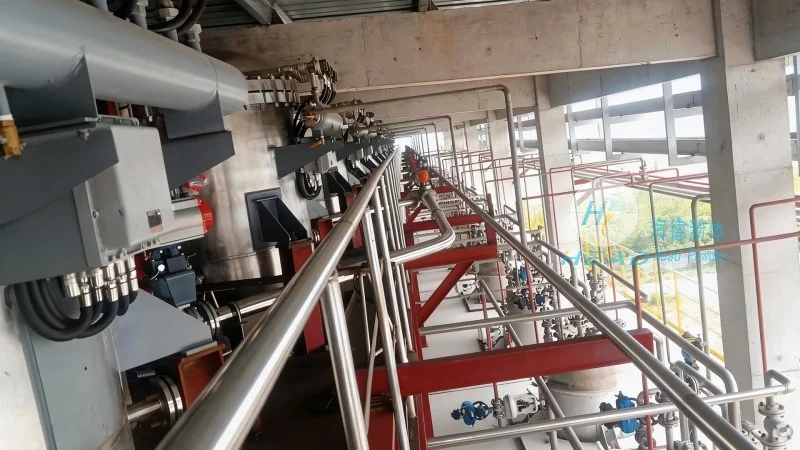
Understanding Fertilizer Pneumatic Conveying Systems
Pneumatic conveying systems utilize air or gas to transport bulk materials through a pipeline network. In the context of fertilizers, these systems are designed to handle various types of granular or powdered fertilizers, ensuring safe and efficient movement from storage silos to processing units or distribution centers. The core components of a typical fertilizer pneumatic conveying system include a hopper for material storage, a conveyor line (pipeline), a blower or compressor to generate the air flow, and a control system to regulate the conveying process.
Key Components and Their Functions
Each component in a fertilizer pneumatic conveying system plays a vital role in ensuring smooth operation. The material hopper, often equipped with a feeder or rotary valve, serves as the primary storage unit, feeding the fertilizer into the conveyor line at a controlled rate. The conveyor line, usually made of stainless steel or other corrosion-resistant materials, is designed to withstand the abrasive nature of fertilizers and maintain hygiene standards. The blower or compressor generates the necessary air pressure and flow rate, propelling the fertilizer particles through the pipeline. Finally, the control system monitors and adjusts the air flow, material feed rate, and other parameters to maintain optimal performance and prevent system overload or blockages.
The Operation Process: Step-by-Step
The operation of a fertilizer pneumatic conveying system follows a systematic sequence to ensure efficient material transport. The process begins with the material being discharged from the hopper into the conveyor line via the feeder. Simultaneously, the blower starts operating, creating a vacuum or pressure differential that draws the fertilizer particles into the pipeline. As the air flows through the conveyor line, it carries the fertilizer particles along, moving them from the source to the destination. The system is equipped with sensors and alarms to detect any blockages or pressure drops, allowing for immediate intervention to prevent system failures. The material is then discharged at the receiving end, where it is collected in a storage bin or directly fed into processing equipment.
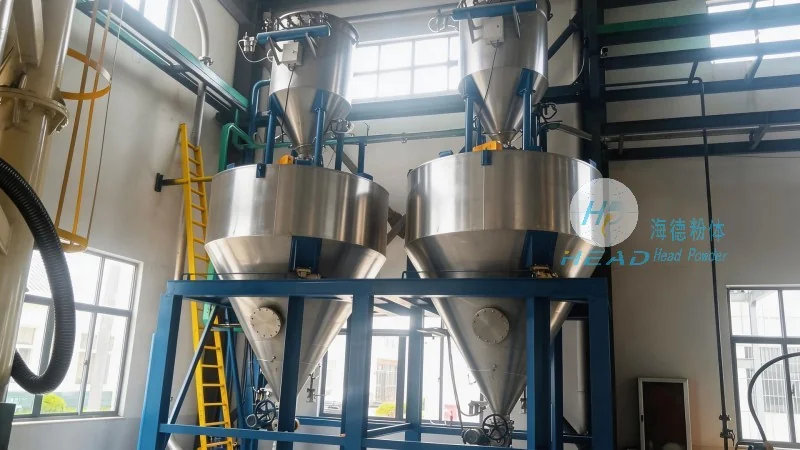
Working Principle: How It Works
The working principle of fertilizer pneumatic conveying is based on the interaction between air flow and solid particles. When the blower generates a high-velocity air stream, it creates a low-pressure zone that pulls the fertilizer particles into the pipeline. The particles are then suspended in the air stream, moving along the pipeline with the air flow. The velocity of the air is critical; it must be sufficient to keep the particles suspended and prevent them from settling or causing blockages. The system’s design, including the diameter and length of the conveyor line, the air flow rate, and the material feed rate, is carefully optimized to achieve the desired conveying capacity and efficiency.
Advantages of Fertilizer Pneumatic Conveying
Compared to traditional mechanical conveying methods, fertilizer pneumatic conveying offers several advantages. It eliminates the need for moving parts in the conveying line, reducing maintenance requirements and downtime. The system is also more hygienic, as it prevents cross-contamination and dust exposure, which is particularly important for food-grade fertilizers. Additionally, pneumatic conveying systems can handle a wide range of fertilizer types, from granular to powdered, and can transport materials over long distances without the need for intermediate storage or handling. Shandong HeadPowder Engineering Co., Ltd. (headpowder), a leading manufacturer in the industry, specializes in designing and manufacturing high-quality pneumatic conveying systems tailored to the specific needs of fertilizer producers and distributors.
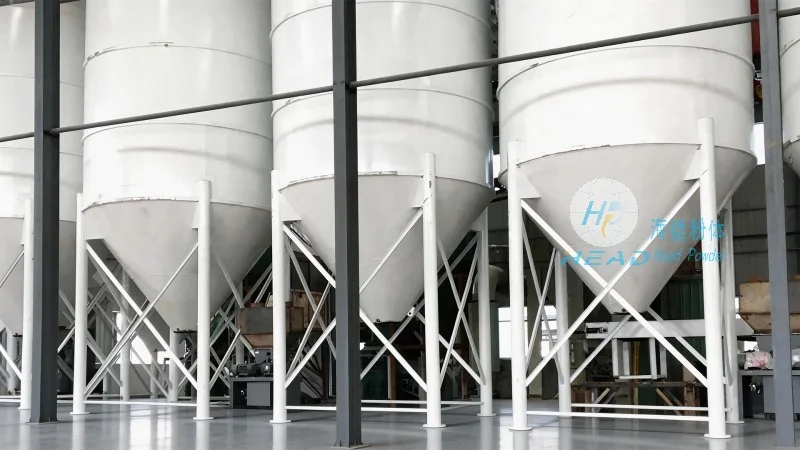
Applications in the Fertilizer Industry
Fertilizer pneumatic conveying systems are widely used in the agricultural and industrial sectors for the transportation of bulk fertilizers. In agricultural settings, these systems are used to move fertilizers from storage silos to field application equipment, ensuring timely and efficient distribution. In industrial settings, they are employed in fertilizer production plants to transport raw materials to processing units and finished products to packaging lines. The systems are also used in chemical and petrochemical industries for the handling of similar bulk materials, leveraging the same principles of pneumatic conveying.
Technological Innovations and Future Trends
Advancements in technology have further enhanced the efficiency and reliability of fertilizer pneumatic conveying systems. Modern systems incorporate advanced control systems with real-time monitoring capabilities, allowing for precise adjustments to maintain optimal performance. The use of sensors and automation has reduced the need for manual intervention, improving operational efficiency and reducing labor costs. Additionally, the development of more energy-efficient blowers and compressors has minimized the environmental impact of the system, making it a more sustainable solution. Future trends in the industry include the integration of IoT (Internet of Things) technologies, enabling remote monitoring and predictive maintenance, and the use of more durable and corrosion-resistant materials to extend the system’s lifespan.
Conclusion
Fertilizer pneumatic conveying systems represent a sophisticated and efficient solution for the transportation of bulk fertilizers. By understanding the operation process and working principles, industries can leverage these systems to improve operational efficiency, reduce maintenance costs, and enhance product quality. With continuous technological advancements, these systems are poised to play an increasingly important role in the modern fertilizer industry, ensuring reliable and sustainable material handling for years to come.