

Operation Process and Working Principle of Electric Lime Pneumatic Conveying
Electric lime, a vital material in industrial processes such as water treatment, chemical manufacturing, and food processing, demands efficient handling solutions. Pneumatic conveying systems have become a preferred method for transporting electric lime due to their ability to handle bulk materials with minimal human intervention and reduced risk of dust exposure. This article explores the operation process and working principles of electric lime pneumatic conveying, detailing the key components, operational steps, and benefits of these systems. Shandong HeadPowder Engineering Co., Ltd., a leading provider of industrial material handling solutions, specializes in designing and implementing advanced pneumatic conveying systems tailored to meet the specific needs of electric lime transportation.
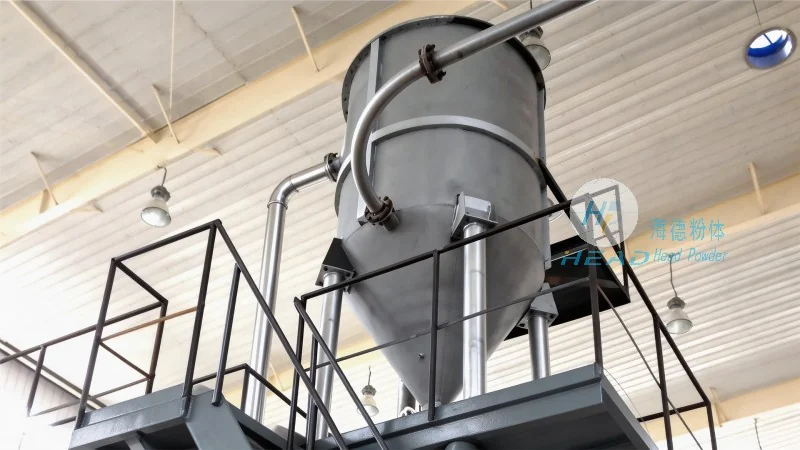
Key Components of Pneumatic Conveying Systems for Electric Lime
The effectiveness of electric lime pneumatic conveying systems relies on their well-engineered components. These systems typically consist of a material hopper for storage, a conveyor line (either positive or negative pressure), a dust collector, and a control system. The hopper ensures a consistent feed of electric lime from storage silos or batch mixers. The conveyor line, which can be made of stainless steel or other corrosion-resistant materials, transports the material through the system. The dust collector is critical for maintaining air quality and preventing dust accumulation, which is essential for industrial safety and environmental compliance. The control system manages pressure, flow rate, and other parameters to ensure smooth and safe operation.
Operation Process of Electric Lime Pneumatic Conveying
The operation of electric lime pneumatic conveying systems involves sequential steps that ensure efficient material transport. Initially, electric lime is fed into the hopper from a storage facility. The material is then drawn into the conveyor line by a vacuum or pressure source, depending on the system design. In positive pressure systems, compressed air pushes the electric lime through the pipeline, while negative pressure systems use a vacuum to pull the material. As the material travels through the pipeline, it is mixed with air, which helps maintain a consistent flow and prevents blockages. The system may include multiple transfer points and conveying lines to handle complex material flow routes. Upon reaching the destination, the electric lime is discharged into a receiving hopper or storage bin. The entire process is automated, with the control system monitoring critical parameters to optimize performance and prevent system failures.
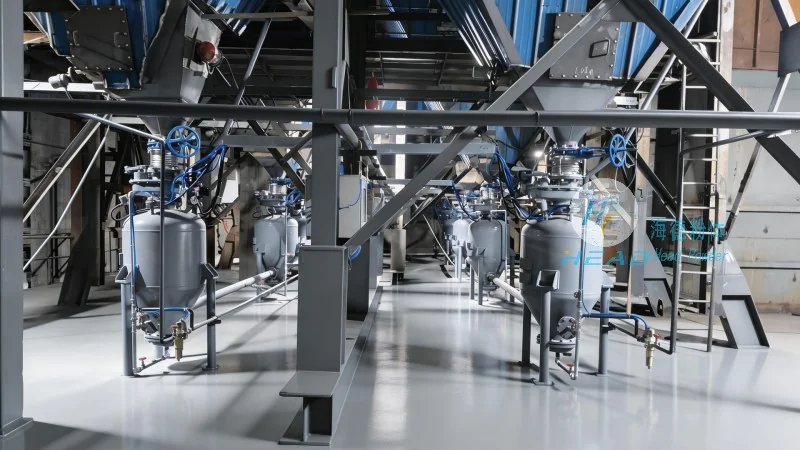
Working Principle of Pneumatic Conveying for Electric Lime
The working principle of electric lime pneumatic conveying is based on fluid dynamics and material transport physics. The system utilizes air velocity to move the bulk material through the pipeline. The air velocity must be sufficient to prevent material settling and ensure smooth transport, which is determined by factors such as material density, particle size, and pipeline diameter. The design of the hopper and conveyor line is crucial to prevent material buildup and ensure consistent flow. The dust collector operates by capturing fine particles from the air stream, which are then either re-introduced into the system or disposed of appropriately. This closed-loop system minimizes material loss and maintains environmental standards. The control system adjusts air pressure and flow rate in real-time to maintain optimal conveying conditions.
Benefits of Electric Lime Pneumatic Conveying Systems
Implementing electric lime pneumatic conveying systems offers significant advantages for industrial operations. These systems provide a dust-free environment, reducing the risk of respiratory issues and other health hazards associated with handling loose electric lime. The automated nature of the process minimizes labor costs and human error, leading to increased operational efficiency and consistency. Additionally, pneumatic conveying systems can transport electric lime over long distances without intermediate storage or manual handling, which is particularly beneficial for large-scale industrial facilities. The flexibility of these systems allows for easy integration with existing production lines and can be scaled to accommodate varying production demands. Shandong HeadPowder Engineering Co., Ltd. emphasizes these benefits in their design and implementation of pneumatic conveying solutions for electric lime.
Applications and Industry Use Cases
Electric lime pneumatic conveying systems are widely utilized across various industries. In water treatment facilities, electric lime is used for coagulation and pH adjustment, and the conveying system ensures consistent dosing rates to maintain water quality. In chemical manufacturing, electric lime is employed for neutralization processes and waste treatment, with pneumatic conveying facilitating efficient material transport to reactors and storage tanks. The food industry also benefits from these systems, as they can handle electric lime used in food processing applications, ensuring hygienic and safe material handling. The versatility of pneumatic conveying makes it suitable for diverse industrial applications where electric lime is a key component, from small-scale operations to large-scale industrial plants.
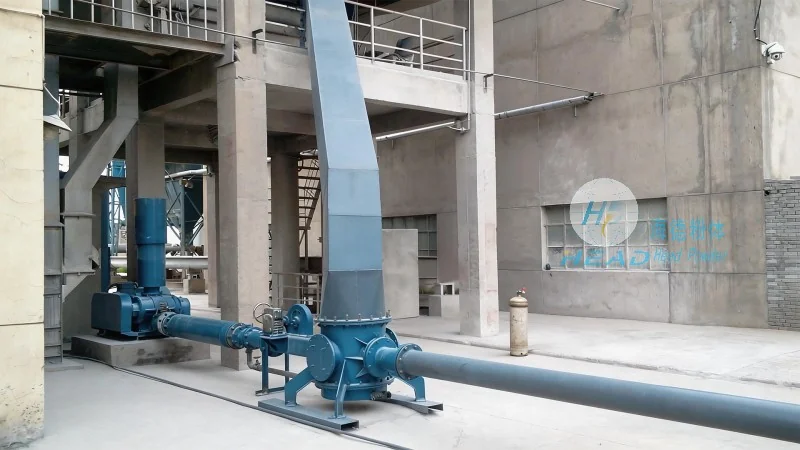
Maintenance and Best Practices for Electric Lime Pneumatic Conveying
To ensure the longevity and reliability of electric lime pneumatic conveying systems, regular maintenance is essential. This includes cleaning the hopper and conveyor lines to prevent material buildup, inspecting the dust collector for clogs, and checking the control system for proper operation. Regular maintenance schedules should be established to address potential issues before they become major problems. Using high-quality materials for the hopper and conveyor line can extend the system's lifespan. Proper training for operators on the system's operation and safety protocols is also crucial. By following these best practices, industrial facilities can maximize the performance and safety of their electric lime pneumatic conveying systems, ensuring consistent and efficient material handling.
Conclusion
Electric lime pneumatic conveying systems represent a sophisticated and efficient solution for handling bulk materials in industrial settings. By understanding the operation process and working principles, industries can leverage these systems to improve operational efficiency, ensure safety, and maintain environmental compliance. As technology advances, these systems continue to evolve, offering even more reliable and sustainable solutions for electric lime transportation. The integration of advanced control systems and materials science has further enhanced the performance of pneumatic conveying systems, making them an indispensable part of modern industrial operations. Shandong HeadPowder Engineering Co., Ltd. remains committed to providing innovative and effective pneumatic conveying solutions for electric lime, supporting the growth and efficiency of industrial processes worldwide.