

The Operation Process and Working Principle of Lithium Carbonate Pneumatic Conveying
Understanding the operation process and working principle of lithium carbonate pneumatic conveying is crucial for optimizing material handling in industrial settings. This technology enables the efficient transport of lithium carbonate, a key component in various applications such as battery production and chemical synthesis. The following sections provide a detailed overview of the system's mechanics and operational workflow, highlighting the key components and their functions.
Company Profile: Shandong HeadPowder Engineering Co., Ltd.
HeadPowder, a leading provider in the field of material handling solutions, specializes in the design, manufacturing, and implementation of pneumatic conveying systems. With a strong commitment to technological innovation and customer satisfaction, the company has established itself as a trusted partner for industries requiring reliable and efficient material transport. HeadPowder's headquarters is located in Shandong, China, where the company leverages its expertise to deliver tailored solutions that meet the specific needs of clients worldwide.
Working Principle of Pneumatic Conveying for Lithium Carbonate
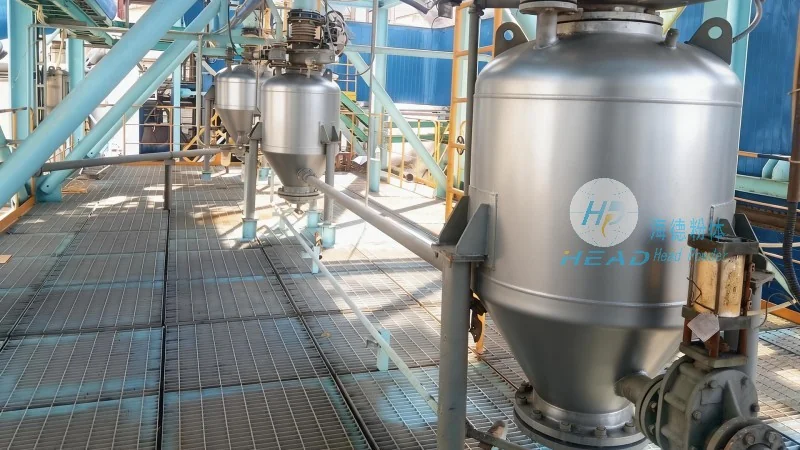
Pneumatic conveying operates on the principle of transporting solid particles through a pipeline using a moving gas stream. In the case of lithium carbonate, the system typically employs a pressure or vacuum-based design to move the material from the source to the destination. The core components of a pneumatic conveying system include the feed hopper, which holds the lithium carbonate, a conveyor line (often made of stainless steel to prevent material contamination), a fan or blower that generates the air flow, and a separation unit that collects the material at the end of the line. The process begins with the material being fed into the hopper, where it is then introduced into the conveyor line by the air stream. The air flow carries the solid particles through the pipeline, maintaining a consistent velocity to ensure stable transport. At the receiving end, the air is separated from the material, and the lithium carbonate is collected in a designated container.
Step-by-Step Operation Process
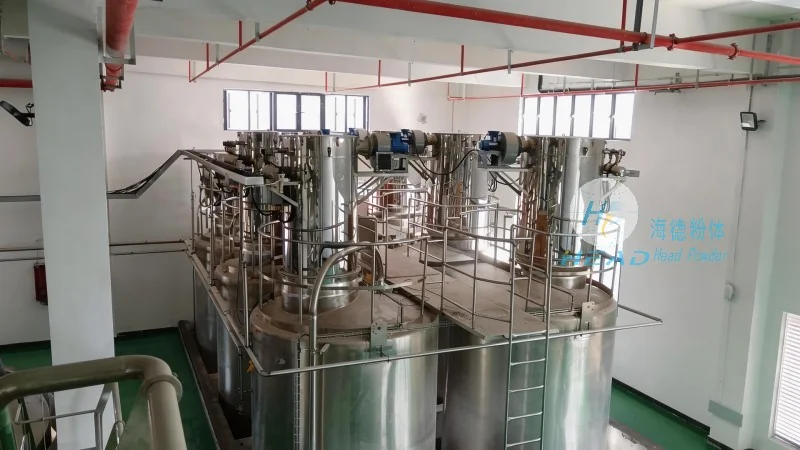
The operation of a lithium carbonate pneumatic conveying system involves several key steps that ensure smooth and efficient material transport. The process starts with the preparation phase, where the lithium carbonate is loaded into the feed hopper and the system is checked for proper functionality. The next step is the initiation of the conveying cycle, which involves activating the fan or blower to generate the necessary air pressure or vacuum. As the air stream begins to flow, the material is gradually introduced into the conveyor line, and the system enters the active conveying phase. During this phase, the material is continuously transported through the pipeline, with the air flow maintaining the particle velocity to prevent settling or blockages. The system continues to operate until the desired amount of lithium carbonate has been delivered to the receiving point. The final step is the shutdown procedure, which involves stopping the air flow, allowing the material to settle in the receiving container, and then safely discharging the material from the system. Proper maintenance and monitoring of the system are essential to ensure consistent performance and minimize downtime.
Key Components and Their Functions
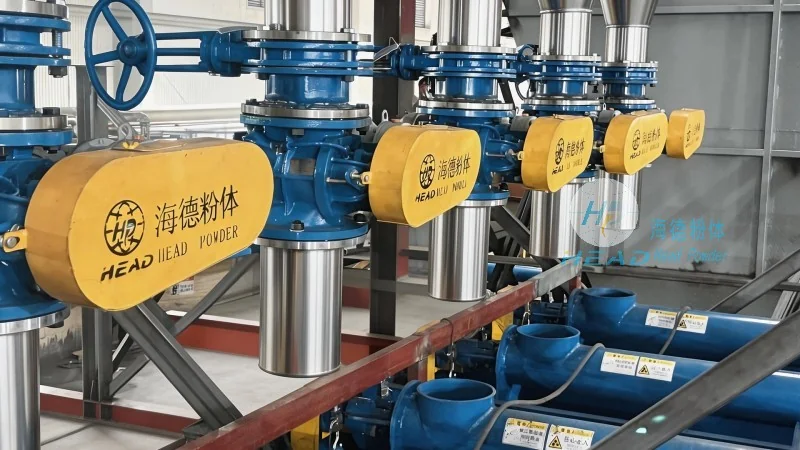
Each component of the pneumatic conveying system plays a critical role in the efficient transport of lithium carbonate. The feed hopper is designed to store the material and provide a controlled feed rate, preventing overloading or underloading of the system. The conveyor line, typically made of high-quality stainless steel, ensures that the material is transported without contamination and maintains the integrity of the lithium carbonate. The fan or blower is responsible for generating the air flow, with the pressure or vacuum level adjusted based on the material characteristics and pipeline length. The separation unit, such as a cyclone or filter, effectively separates the air from the material, allowing the lithium carbonate to be collected in a clean and dry state. Additionally, the system may include control valves and sensors to monitor the flow rate, pressure, and other parameters, ensuring optimal operation and safety.
Applications and Benefits
Lithium carbonate pneumatic conveying is widely used in various industries due to its ability to handle fine powders like lithium carbonate efficiently. The technology offers several benefits, including reduced labor costs, minimized material loss, and improved safety compared to traditional methods such as manual handling or mechanical conveyors. The system is particularly suitable for applications where the material needs to be transported over long distances or through complex layouts, as the pneumatic design allows for flexible and adaptable pipeline configurations. Furthermore, the use of stainless steel components ensures that the system is resistant to corrosion and can handle the chemical properties of lithium carbonate without degradation.
Conclusion
In summary, the operation process and working principle of lithium carbonate pneumatic conveying involve a carefully coordinated system of components and steps designed to efficiently transport the material. With its ability to handle fine powders and provide reliable performance, this technology is a valuable asset for industries relying on lithium carbonate. HeadPowder, with its expertise and commitment to quality, continues to provide innovative solutions that enhance the efficiency and safety of material handling processes. By understanding the mechanics and operational workflow of pneumatic conveying, industries can optimize their material transport systems and achieve better overall performance.