

Operation Process and Working Principle of Styrene Pneumatic Conveying
Styrene, a key raw material in the polymer industry, requires efficient and reliable material handling solutions for safe and effective processing. Pneumatic conveying systems offer a versatile method for transporting styrene, combining simplicity with robust performance. This article explores the operation process and working principles of such systems, highlighting the key components and operational dynamics involved.
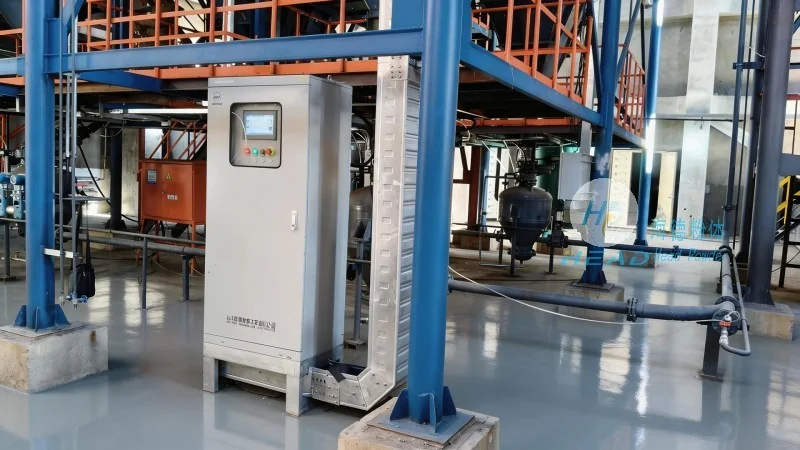
Key Components of a Styrene Pneumatic Conveying System
The effectiveness of a styrene pneumatic conveying system relies on several critical components that work in tandem to ensure smooth material transport. The primary components include the material hopper, feeder, air compressor, conveying line, and separation equipment. Each component plays a specific role in the overall process, contributing to the system's efficiency and reliability.
Operation Process of Styrene Pneumatic Conveying
The operation process of a styrene pneumatic conveying system typically follows a sequential workflow. Initially, styrene is stored in a hopper, from which it is fed into the conveying line via a feeder. The feeder controls the flow rate of the material, ensuring a consistent supply to the system. Simultaneously, the air compressor generates the necessary air pressure to create a flow of air through the conveying line. As the air and material mixture travels through the line, the material is propelled forward by the air stream. The conveying line may include bends, expansions, or other features designed to accommodate the material's properties and the system's layout. Upon reaching the destination, the material is separated from the air using a separator, such as a cyclone or filter, and the air is either recirculated or vented.
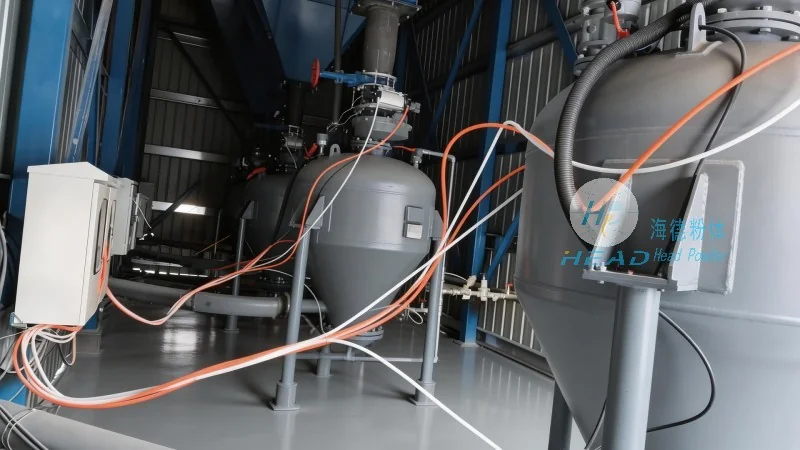
Working Principle of Pneumatic Conveying for Styrene
The working principle of pneumatic conveying for styrene is based on the interaction between the material particles and the air stream. In a pressure system, the air compressor pressurizes the air, which then flows through the conveying line, carrying the styrene particles along with it. The air velocity must be sufficient to overcome the gravitational and frictional forces acting on the material, ensuring that the particles remain suspended and transported efficiently. In a vacuum system, the air is drawn from the conveying line, creating a negative pressure that pulls the material into the line. The choice between pressure and vacuum systems depends on factors such as the material's properties, the distance to be conveyed, and the system's design constraints.
Advantages of Using Pneumatic Conveying for Styrene Handling
Pneumatic conveying systems offer several advantages when handling styrene. These include the ability to transport materials in a closed system, minimizing dust emissions and environmental impact. The systems are also flexible, allowing for changes in material flow rates and destinations without significant modifications. Additionally, pneumatic conveying can handle a wide range of material sizes and shapes, making it suitable for various styrene products. The process is also relatively simple to operate and maintain, reducing downtime and operational costs.
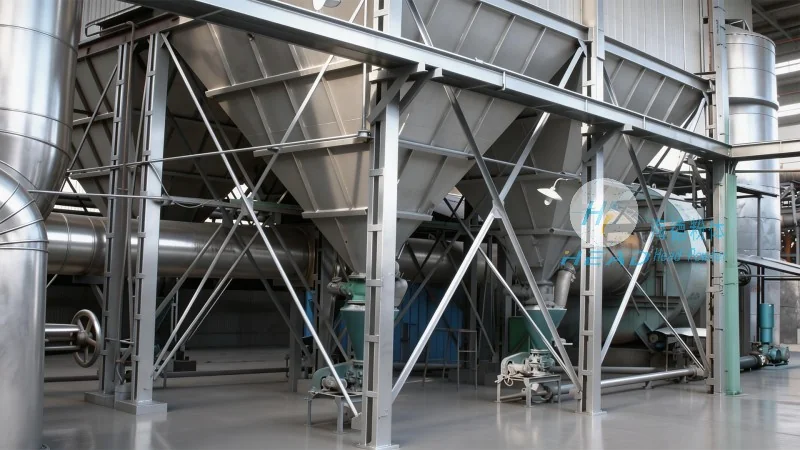
Applications and Industries Utilizing Styrene Pneumatic Conveying
Styrene pneumatic conveying systems are widely used in industries that rely on styrene as a raw material, such as the production of polystyrene, ABS, and other styrene-based polymers. These systems are essential in manufacturing facilities where styrene needs to be moved between storage, processing, and packaging areas. The systems are also used in research and development laboratories for small-scale experiments and material testing.
About Shandong HeadPowder Engineering Co., Ltd.
Shandong HeadPowder Engineering Co., Ltd., operating under the brand name headpowder, specializes in the design, manufacturing, and installation of pneumatic conveying systems for various industrial applications. With a focus on providing reliable and efficient solutions, the company has built a reputation for quality and customer satisfaction. Headpowder's expertise in material handling technology ensures that their systems are tailored to meet the specific needs of each client, whether it's for styrene or other materials. The company's commitment to innovation and service has made it a trusted partner in the industry.