

Operation Process and Working Principle of Pneumatic Conveying for Calcined Gypsum
HeadPowder, a leading engineering company based in Shandong, China, specializes in the design, installation, and maintenance of pneumatic conveying systems tailored for calcined gypsum. This technology is crucial for efficiently transporting calcined gypsum, a key material in construction and industrial applications, from processing sites to end-use locations. The following sections detail the operational process and underlying principles of such systems, highlighting the technical aspects and practical considerations for optimal performance.
The Working Principle of Pneumatic Conveying
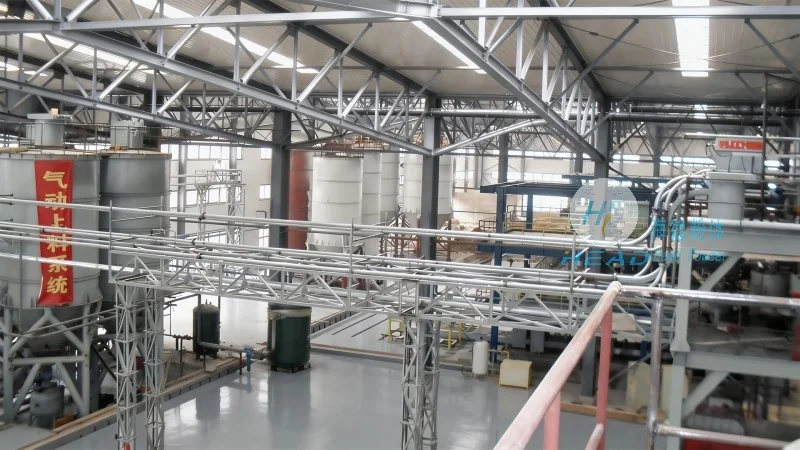
Pneumatic conveying for calcined gypsum operates on the principle of using air or gas as the conveying medium to transport bulk materials. The system typically consists of a hopper, a rotary airlock valve, a conveying pipeline, and a receiver. The process begins with the material being fed into the hopper from a storage silo or processing unit. A rotary airlock valve then regulates the flow of calcined gypsum into the pipeline, ensuring a consistent and controlled discharge rate. Compressed air is introduced into the pipeline, creating a flow that propels the material through the system. The air velocity is carefully managed to maintain the material in a suspended state, preventing blockages and ensuring smooth transport. The conveying pipeline may include bends, expansions, and other components that are designed to minimize pressure loss and maintain the material's flow characteristics. The material is then discharged into a receiver, where it is collected for further use or storage.
Step-by-Step Operational Process
The operational process of a pneumatic conveying system for calcined gypsum involves several key steps, each critical to the system's efficiency and reliability. First, the calcined gypsum is loaded into the hopper from a storage silo or processing equipment. The hopper serves as a buffer, ensuring a steady supply of material to the system. Next, the rotary airlock valve opens, allowing the material to enter the conveying pipeline. Simultaneously, compressed air is supplied to the pipeline, creating a pressure differential that drives the material forward. The air velocity is maintained at an optimal level to keep the gypsum particles suspended, preventing them from settling or causing blockages. As the material travels through the pipeline, it may encounter various components such as bends, filters, or pressure regulators, which are designed to maintain the flow and prevent system failures. Finally, the calcined gypsum is discharged into the receiver, where it is collected and prepared for its intended application. The system then cycles back to the initial loading stage, repeating the process as needed.
Key Components and Their Functions
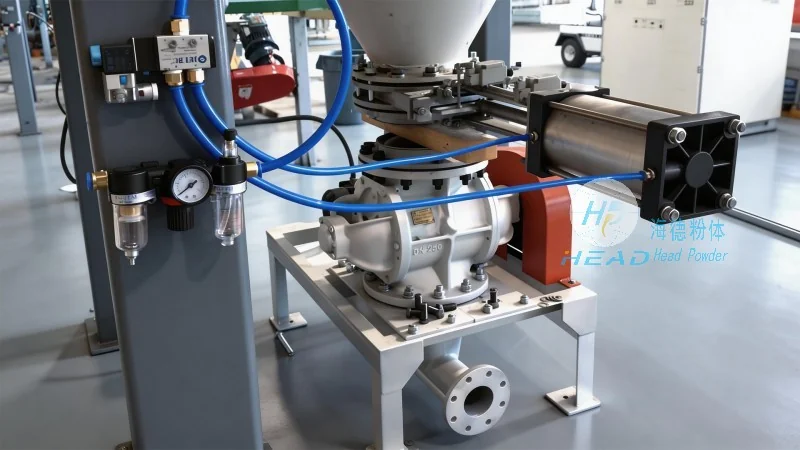
Several key components are integral to the effective operation of a pneumatic conveying system for calcined gypsum. The hopper is the first component, where the material is stored and fed into the system. It is designed to handle the bulk volume of calcined gypsum and provide a consistent flow to the rotary airlock valve. The rotary airlock valve is a critical component that regulates the material flow into the pipeline, preventing backflow and ensuring a controlled discharge rate. It is typically made of durable materials to withstand the abrasive nature of calcined gypsum. The conveying pipeline is the main channel through which the material and air travel. It is usually made of corrosion-resistant materials, such as stainless steel or PVC, to prevent wear and maintain the integrity of the system. The compressed air system provides the necessary pressure and flow rate to propel the material through the pipeline. This system includes air compressors, filters, and regulators to ensure clean and consistent air supply. The receiver is the final component, where the material is collected after being conveyed. It is designed to handle the volume of material and provide a safe storage environment. Additionally, the system may include monitoring and control equipment to track pressure, flow, and other parameters, ensuring optimal performance and early detection of any issues.
Advantages of Pneumatic Conveying for Calcined Gypsum
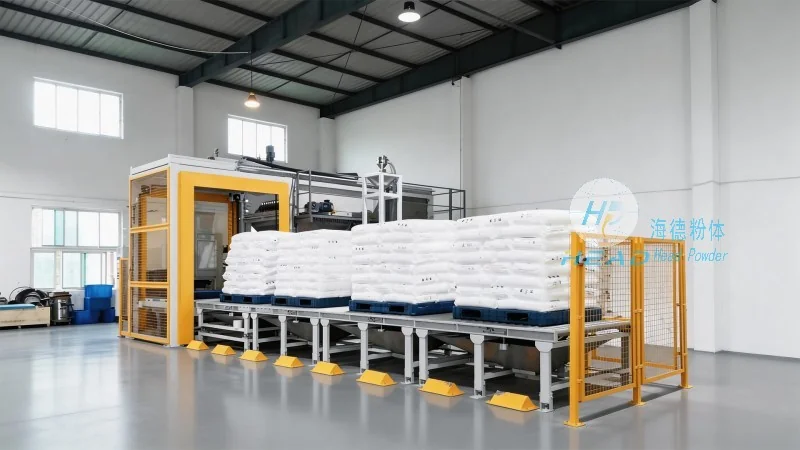
Pneumatic conveying offers several advantages when transporting calcined gypsum. One of the primary benefits is the ability to handle the material in a dust-free environment, which is crucial for maintaining product quality and safety. Unlike traditional belt or bucket elevators, pneumatic systems do not generate significant dust, reducing the risk of respiratory issues and contamination. Another advantage is the flexibility of the system, as it can be easily modified or expanded to accommodate changes in production volume or material handling requirements. The system is also relatively compact, requiring less floor space compared to other bulk material handling methods. Additionally, pneumatic conveying can be integrated with other processing equipment, such as mixers or classifiers, to create a seamless production line. The technology is also energy-efficient, as it uses compressed air efficiently to transport the material, reducing operational costs over time. Finally, the system is low-maintenance, with fewer moving parts compared to other conveying methods, leading to lower downtime and maintenance expenses.
Common Challenges and Solutions
While pneumatic conveying is an effective method for calcined gypsum transport, it may encounter several challenges. One common issue is blockages in the pipeline, which can occur due to the material's abrasive nature or changes in air pressure. To address this, the system may include cleaning mechanisms, such as air cannons or vibration devices, to clear blockages. Another challenge is the wear and tear on components, particularly the rotary airlock valve and pipeline, due to the abrasive properties of calcined gypsum. To mitigate this, the components are made of durable materials, such as stainless steel or high-grade alloys, and may be equipped with wear-resistant coatings. Additionally, the system may experience pressure loss over time, which can reduce the conveying efficiency. Regular maintenance and inspection of the components can help identify and address these issues before they become significant problems. Finally, the system may require adjustments to the air flow rate or pressure to maintain optimal performance, especially when handling different grades of calcined gypsum or varying production volumes.