

Operation Process and Working Principle of Fully Automatic Material Feeding Pneumatic Conveying Syst
HeadPowder, a leading provider of industrial material handling solutions, specializes in the design, manufacturing, and installation of advanced pneumatic conveying systems. The fully automatic material feeding system is a sophisticated piece of equipment engineered to efficiently transport bulk materials from storage silos or hoppers to processing units. This system integrates state-of-the-art automation technologies to ensure precise, reliable, and continuous material transfer, minimizing human intervention and enhancing operational efficiency.
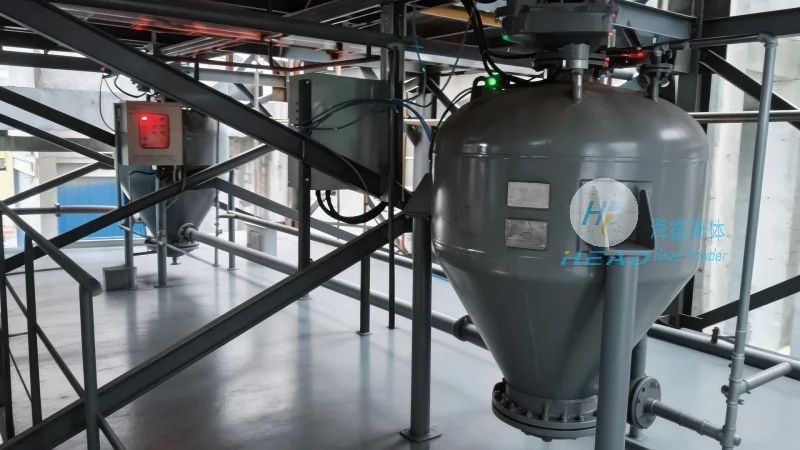
Overview of the Fully Automatic Material Feeding Pneumatic Conveying System
The system is designed to handle a wide range of bulk materials, including powders, granules, and fine particles, with the capability to adapt to varying material properties and flow characteristics. Key components include a material feeder, a pneumatic conveying line, a control panel, and a series of sensors and actuators that work in tandem to regulate the entire process. The system operates under a closed-loop control system, which allows for real-time monitoring and adjustment of conveying parameters, ensuring optimal performance and material handling efficiency.
Key Components and Their Functions
The fully automatic material feeding system comprises several critical components, each playing a vital role in the overall operation. The material feeder, typically a rotary valve or a screw feeder, is responsible for accurately measuring and controlling the flow rate of the material being conveyed. This component ensures a consistent and controlled feed rate, which is crucial for maintaining the stability of the pneumatic conveying process. The pneumatic conveying line, often made of stainless steel or other corrosion-resistant materials, transports the material from the feeder to the destination point. The line is equipped with pressure sensors and flow meters to monitor the system's performance and detect any anomalies. The control panel, integrated with a programmable logic controller (PLC), manages all operational functions, including start-up, shutdown, and emergency stop procedures. Additionally, the system incorporates sensors such as level detectors and pressure transducers that provide real-time data to the control system, enabling proactive maintenance and process optimization.
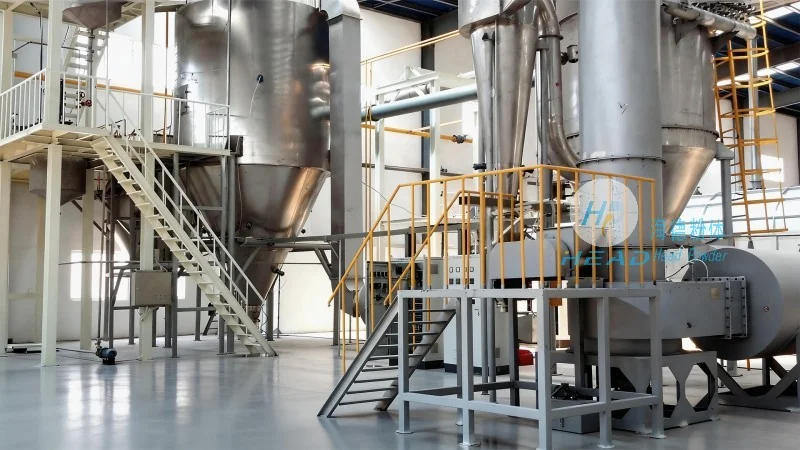
Operation Process of the System
The operation of the fully automatic material feeding system follows a pre-programmed sequence that ensures smooth and continuous material transfer. The process begins with the activation of the system by the control panel, which signals the material feeder to start feeding the material into the pneumatic conveying line. As the material is introduced, the system's pressure control system adjusts the air pressure to maintain the desired conveying velocity. The material is then transported through the conveying line to the receiving hopper or processing unit. Throughout the process, the control system continuously monitors key parameters such as pressure, flow rate, and material level, adjusting the feeder speed or air pressure as needed to maintain stable operation. The system also includes safety features, such as emergency stop buttons and pressure relief valves, to prevent accidents and protect the equipment from damage.
Working Principle of the Pneumatic Conveying System
The working principle of the fully automatic material feeding system is based on the use of compressed air to transport bulk materials. The system operates under positive pressure, where compressed air is introduced into the conveying line, creating a flow that propels the material particles forward. The material is suspended in the air stream, allowing it to be transported over long distances without the need for mechanical components like belts or buckets. The system's efficiency is enhanced by the use of specialized nozzles and bends that minimize pressure drop and prevent material degradation. The control system ensures that the air pressure and flow rate are optimized for the specific material being conveyed, resulting in a reliable and efficient transfer process. The system's design also incorporates features to prevent material buildup and blockages, such as cleaning cycles and reverse flow mechanisms, which maintain the system's performance over time.
Advantages and Applications
The fully automatic material feeding system offers numerous advantages over traditional material handling methods. It provides a clean and dust-free operation, which is essential for industries such as pharmaceuticals, food processing, and chemical manufacturing. The system also reduces labor costs by minimizing the need for manual handling and increases production efficiency by ensuring a continuous and consistent material supply. The system is widely used in various industries, including cement, chemical, food, and pharmaceuticals, for applications such as raw material feeding, product transfer, and waste handling. The adaptability of the system allows it to be customized to meet the specific requirements of different processes, making it a versatile solution for material handling challenges.
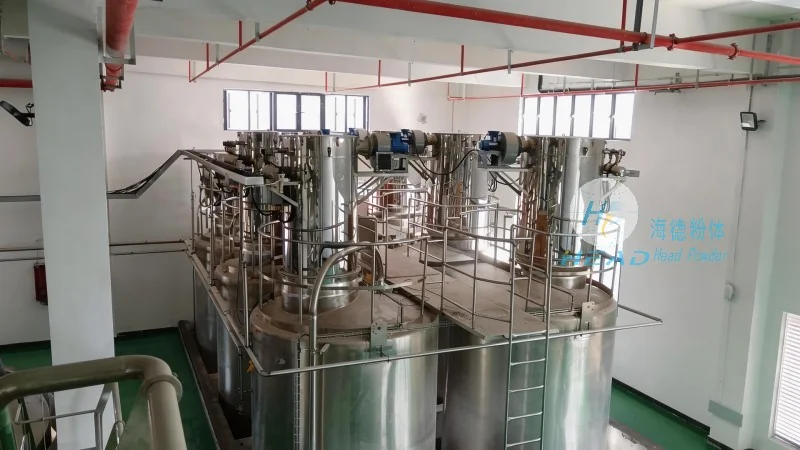
Maintenance and Troubleshooting
To ensure the long-term reliability and performance of the fully automatic material feeding system, regular maintenance is essential. The system's components, such as the material feeder, conveying line, and control panel, require periodic inspection and cleaning to prevent clogging and wear. The control system should be checked for proper functionality, including sensor calibration and software updates. Common issues that may arise include pressure drops, material blockages, and sensor malfunctions. Troubleshooting procedures typically involve checking the system's pressure and flow readings, inspecting the conveying line for obstructions, and verifying the operation of the control system. In case of persistent issues, professional maintenance services are recommended to ensure the system operates at optimal levels.
Conclusion
The fully automatic material feeding pneumatic conveying system is a sophisticated and efficient solution for bulk material handling. By integrating advanced automation technologies and robust design, the system ensures precise, reliable, and continuous material transfer, enhancing operational efficiency and reducing labor costs. HeadPowder's expertise in industrial material handling solutions makes this system an ideal choice for businesses seeking to improve their material handling processes. With its adaptability and reliability, the system is well-suited for a wide range of applications, providing a cost-effective and sustainable solution for material transport needs.