

Operation Process and Working Principle of Vacuum Suction Type Pneumatic Conveying System
HeadPowder, a leading provider of advanced material handling solutions, specializes in the design, manufacturing, and implementation of vacuum suction type pneumatic conveying systems. Based in Shandong, China, Shandong HeadPowder Engineering Co., Ltd. leverages over [years of experience] to deliver high-performance material transport solutions. These systems are engineered to efficiently transport bulk materials over long distances with minimal maintenance and operational costs. The following content outlines the operational process and fundamental working principles of such systems, emphasizing the technical aspects and practical applications.
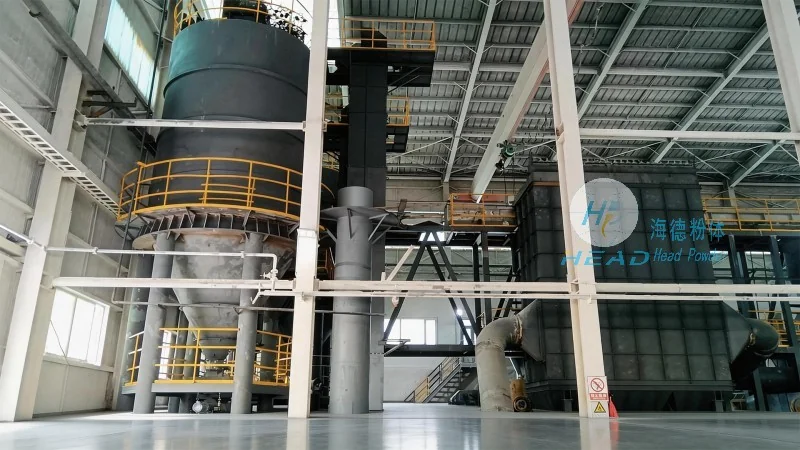
System Overview and Key Components
The vacuum suction type pneumatic conveying system consists of several critical components that work in tandem to achieve material transport. The primary elements include a vacuum pump or fan, a material feed hopper, a conveying line (typically made of stainless steel or other corrosion-resistant materials), a separation and cleaning unit, and a discharge outlet. Each component plays a vital role in the overall system performance, ensuring reliable and efficient material handling. The system operates under negative pressure, meaning the conveying line is maintained at a pressure lower than the ambient air pressure, which draws the material from the source into the system.
Operating Process: Step-by-Step Explanation
The operation of a vacuum suction type pneumatic conveying system follows a systematic sequence of steps. Initially, the material is fed into the hopper from the source, such as a silo or storage bin. The vacuum pump then activates, creating a negative pressure within the conveying line. This pressure differential causes the ambient air to flow into the system, carrying the material particles along with it. The material is drawn through the conveying line, passing through any necessary processing units like filters or separators. Upon reaching the discharge point, the material is released under positive pressure or gravity, depending on the system design. The system continuously cycles through these steps, maintaining a steady flow of material until the feed is depleted or the system is shut down.
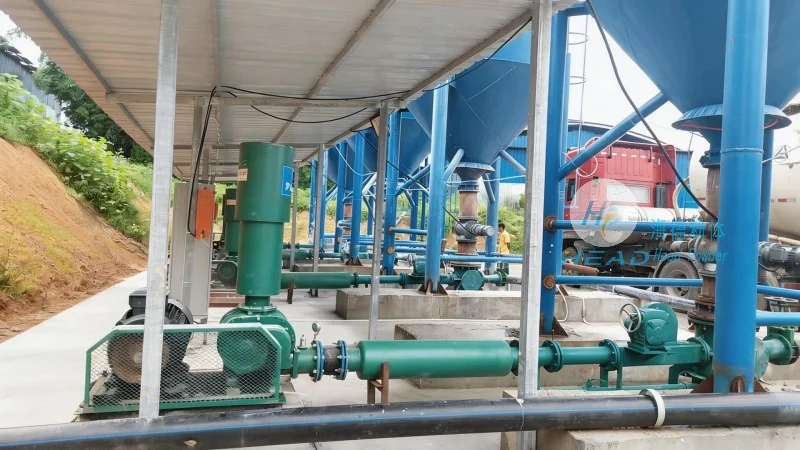
Working Principle: How It Transports Materials
The core working principle of the vacuum suction type system is based on the creation of a pressure differential. The vacuum pump generates a low-pressure environment in the conveying line, which is significantly lower than the atmospheric pressure outside. This pressure difference creates a suction force that pulls the material particles into the system. As the material is drawn into the line, it is suspended in a stream of air, allowing it to be transported over long distances without the need for mechanical conveyors or high-speed belts. The system's efficiency is enhanced by the use of appropriate air velocities and line diameters, which ensure that the material remains in suspension and does not settle or clog the pipeline. The separation and cleaning units are crucial for maintaining system performance, as they remove any debris or moisture from the air stream, preventing blockages and ensuring consistent material flow.
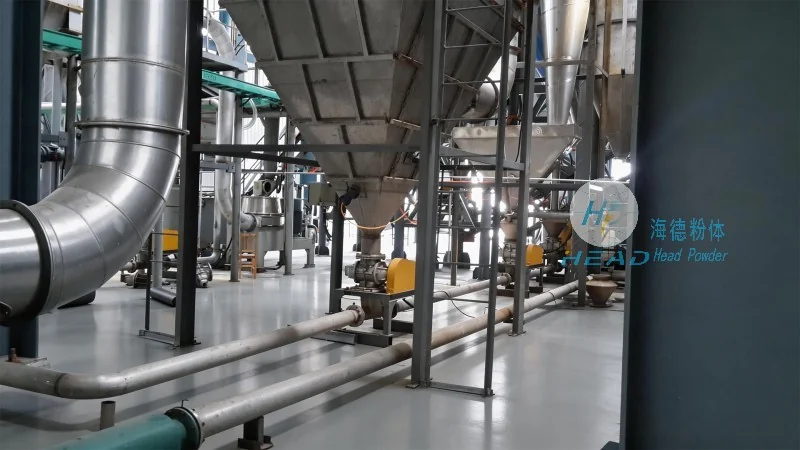
Advantages and Applications
Vacuum suction type pneumatic conveying systems offer several advantages over traditional material handling methods. They are ideal for transporting fine powders, granules, and other bulk materials that are prone to dust or require gentle handling. The system's ability to operate under negative pressure reduces the risk of dust emissions and improves workplace safety. Additionally, the system is versatile and can be adapted to various industrial applications, including pharmaceuticals, food processing, chemical manufacturing, and mining. The low maintenance requirements and energy efficiency of these systems make them a cost-effective solution for long-term material transport needs.
Conclusion
HeadPowder's vacuum suction type pneumatic conveying systems exemplify advanced engineering and practical application in material handling. By understanding the operational process and working principles, users can appreciate the efficiency and reliability of these systems. With a focus on quality and innovation, Shandong HeadPowder Engineering Co., Ltd. continues to provide top-tier solutions for industrial material transport, ensuring that clients achieve optimal performance and cost savings in their operations.