

Operation Process and Working Principle of Denitrification Fly Ash Pneumatic Conveying System
Denitrification fly ash, as a byproduct from flue gas desulfurization and denitrification processes in thermal power plants, requires efficient and reliable handling systems. The pneumatic conveying system for denitrification fly ash, developed by Shandong HeadPowder Engineering Co., Ltd., offers a robust solution to transport this material safely and effectively. This article will explore the operation process and working principle of such a system, highlighting its key components and operational mechanisms.
Key Components of the Pneumatic Conveying System
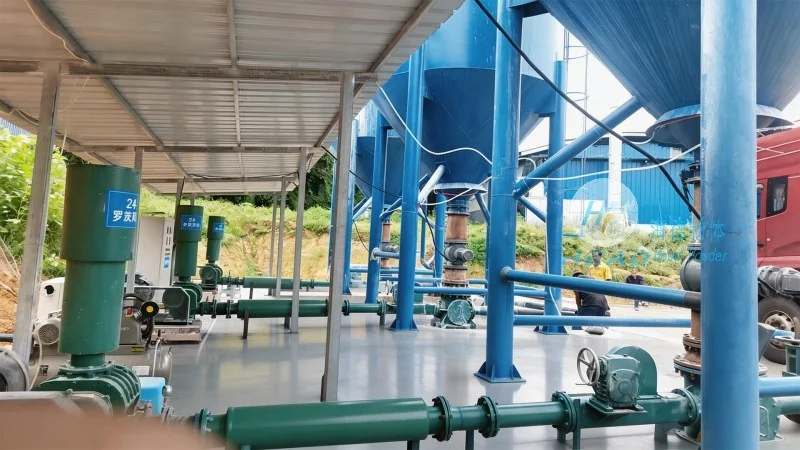
The denitrification fly ash pneumatic conveying system typically consists of several critical components that work in tandem to ensure smooth material transport. These include the ash hopper, which serves as the storage and feeding unit; the air compressor or blower, responsible for generating the necessary air pressure; the conveying pipeline, through which the ash is transported; and the receiving hopper or silo at the destination. Each component plays a vital role in maintaining the system's efficiency and reliability.
Working Principle of the System
The operation of the denitrification fly ash pneumatic conveying system is based on the principle of air flow and pressure differential. The process begins with the ash being discharged from the storage hopper into the conveying pipeline. Simultaneously, the air compressor supplies high-pressure air into the pipeline. As the air flows through the pipeline, it creates a negative pressure zone that draws the fly ash particles into the air stream. The mixture of ash and air is then transported to the receiving hopper at the destination. The system may include additional components such as filters and cyclones to separate the ash from the air, ensuring that the ash is deposited in the receiving hopper while the air is either recirculated or discharged.
Operation Process: Step-by-Step Overview
The operation of the denitrification fly ash pneumatic conveying system follows a systematic process to ensure consistent and efficient material transport. The steps involved are as follows:
1. Material Loading: The denitrification fly ash is loaded into the ash hopper from the power plant's flue gas treatment system. The hopper is equipped with a feeding mechanism, such as a screw feeder or a rotary valve, which controls the flow rate of the ash into the conveying pipeline.
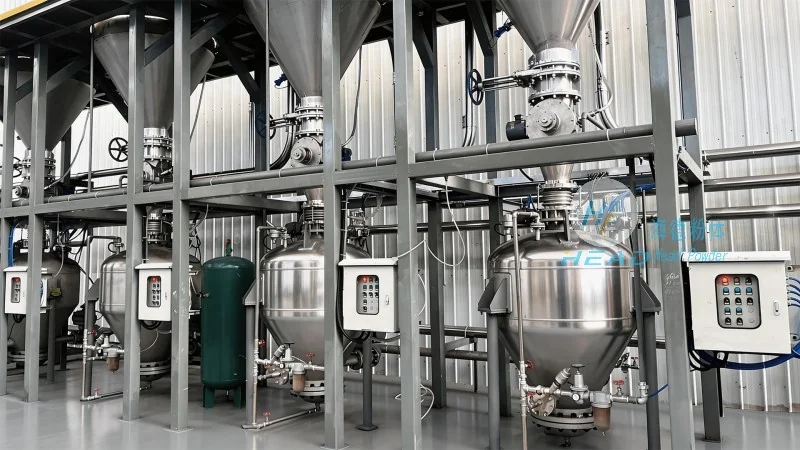
2. Air Supply Initiation: The air compressor is started, and high-pressure air is introduced into the conveying pipeline. The air pressure is carefully regulated to match the required flow rate and to prevent excessive pressure drops that could lead to material blockages.
3. Conveying Phase: Once the air supply is established, the feeding mechanism begins to introduce the ash into the pipeline. The air flow creates a suction effect, drawing the ash particles into the air stream. The mixture of ash and air travels through the pipeline at a controlled velocity, ensuring that the particles are not damaged and that the system operates within safe pressure limits.
4. Receiving and Separation: At the destination, the ash-air mixture enters the receiving hopper. A cyclone separator or a filter system is used to separate the ash from the air. The ash is collected in the hopper, while the air is either recirculated back to the compressor or discharged to the atmosphere, depending on the system design and environmental regulations.
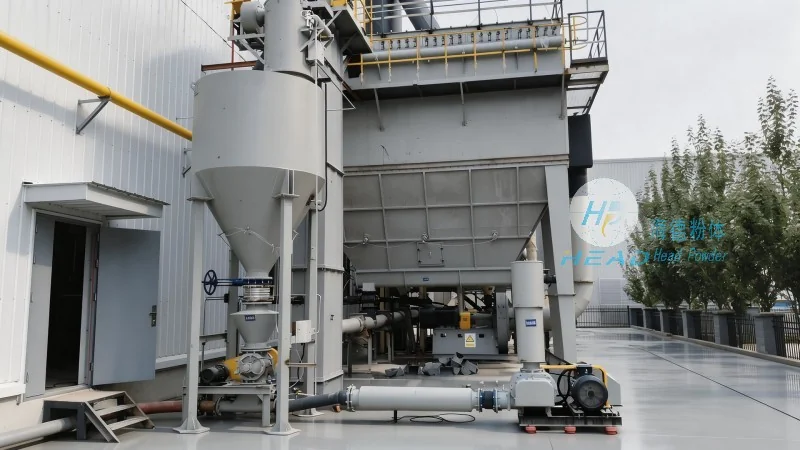
5. System Shutdown: When the conveying operation is complete, the feeding mechanism is stopped, and the air compressor is shut down. The system is then allowed to depressurize, and any residual ash is cleared from the pipeline to prevent blockages during the next operation cycle.
Advantages of the Pneumatic Conveying System
The denitrification fly ash pneumatic conveying system offers several advantages over traditional mechanical conveying methods. These include:
1. Reduced Labor and Maintenance: The system minimizes the need for manual handling of ash, reducing labor costs and the risk of occupational hazards. Additionally, the pneumatic system has fewer moving parts compared to mechanical conveyors, resulting in lower maintenance requirements and longer service life.
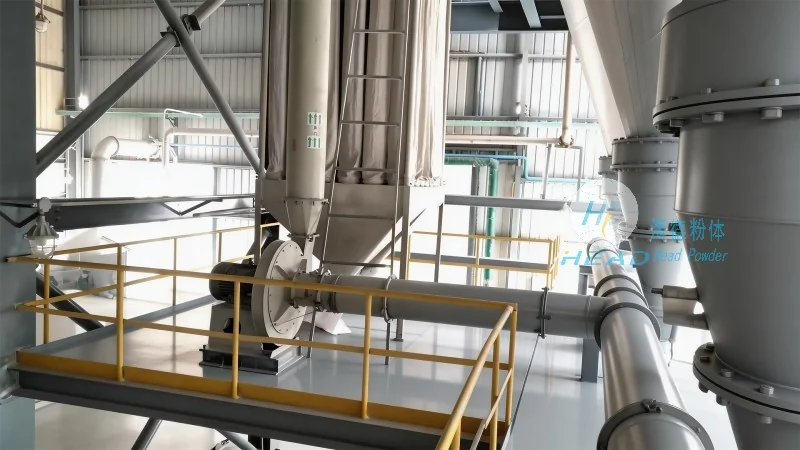
2. Efficient Material Transport: The system can transport ash over long distances with minimal pressure loss, ensuring consistent flow rates and preventing material degradation or blockages.
3. Environmental Benefits: By using a closed system, the pneumatic conveying process reduces dust emissions and minimizes the environmental impact of ash handling. The system also helps in complying with environmental regulations by controlling air pollution and preventing ash contamination.
4. Flexibility and Scalability: The system can be easily scaled to accommodate varying ash production rates and can be integrated with existing power plant infrastructure, providing flexibility in plant operations.
Conclusion
Shandong HeadPowder Engineering Co., Ltd. specializes in the design, manufacturing, and installation of denitrification fly ash pneumatic conveying systems. The company's expertise in material handling and industrial engineering ensures that the systems are tailored to meet the specific needs of thermal power plants. By understanding the operation process and working principle of such systems, power plant operators can optimize their ash handling operations, improve efficiency, and reduce operational costs. The denitrification fly ash pneumatic conveying system is a reliable and efficient solution for transporting fly ash, contributing to the overall sustainability and environmental compliance of power generation facilities.