

Operation Process and Working Principle of Cellulose Pneumatic Conveying Systems
Shandong HeadPowder Engineering Co., Ltd., a leading enterprise based in Shandong, China, specializes in the design, manufacturing, and installation of advanced pneumatic conveying systems. The company's expertise lies in providing efficient solutions for transporting bulk materials, including cellulose, through pneumatic systems. This article delves into the operation process and working principle of cellulose pneumatic conveying systems, highlighting the technical aspects and operational efficiency of such systems.
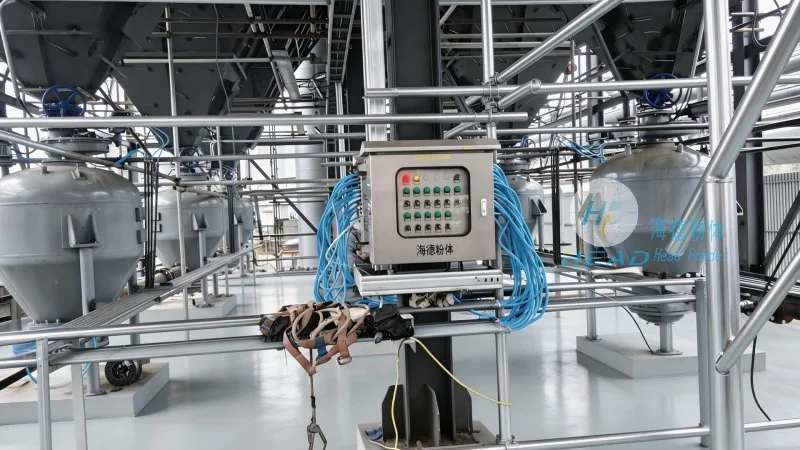
Overview of Cellulose Pneumatic Conveying Systems
A cellulose pneumatic conveying system is a mechanical system that uses compressed air or other gas to transport dry, free-flowing materials like cellulose powder or fibers. The system typically consists of several key components, including a hopper for material storage, a feeder to control the flow rate, a conveying line (usually a pipe), and a receiver for the discharged material. The system operates by creating a pressure differential between the inlet and outlet of the conveying line, which propels the material through the system using the force of the moving air.
Key Components and Their Functions
Each component in a cellulose pneumatic conveying system plays a crucial role in ensuring smooth and efficient material transport. The hopper, often equipped with a level indicator, stores the cellulose material and provides a consistent feed to the feeder. The feeder, which can be a rotary valve or a screw feeder, regulates the material flow rate to match the system's capacity and prevent overloading. The conveying line, usually made of stainless steel or other corrosion-resistant materials, is designed to withstand the pressure and temperature of the conveying process. The receiver, typically a hopper or a silo, collects the discharged material and may include a dust collection system to maintain air quality.
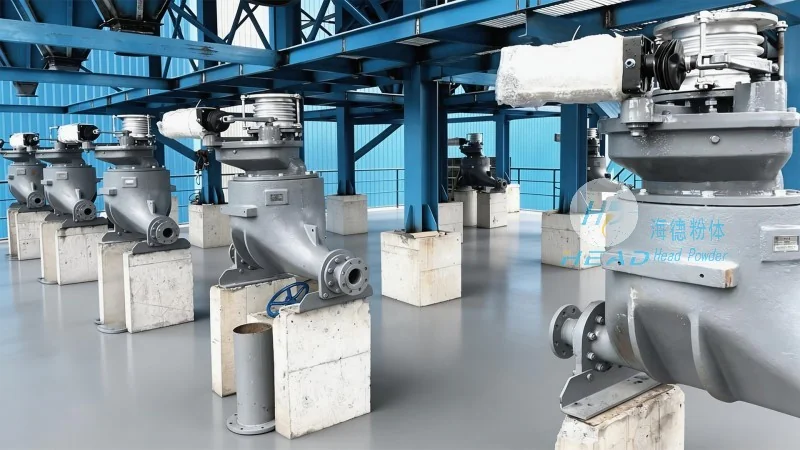
Operation Process of the System
The operation of a cellulose pneumatic conveying system involves several sequential steps. First, the cellulose material is loaded into the hopper. The feeder then starts to discharge the material at a controlled rate. Simultaneously, a compressor or blower generates compressed air, which is introduced into the conveying line at the inlet. The compressed air creates a high-pressure environment that pushes the material through the pipe. As the material travels through the conveying line, it is mixed with the air, forming a slurry-like mixture. The mixture then reaches the receiver, where the air is separated from the material. The air is either recirculated back into the system or released into the atmosphere, while the cellulose material is collected in the receiver. The system continues to operate as long as the material feed and air supply are maintained.
Working Principle of the System
The working principle of a cellulose pneumatic conveying system is based on the principles of fluid dynamics and pressure differentials. The system operates by creating a pressure difference between the inlet and outlet of the conveying line. The inlet is under high pressure due to the compressed air, while the outlet is under lower pressure (often atmospheric pressure). This pressure differential provides the necessary force to move the material through the system. The velocity of the air in the conveying line is a critical factor; it must be sufficient to lift and transport the material without causing excessive wear on the system components. The system may use different types of conveying, such as positive pressure, negative pressure, or a combination of both, depending on the application and material characteristics.
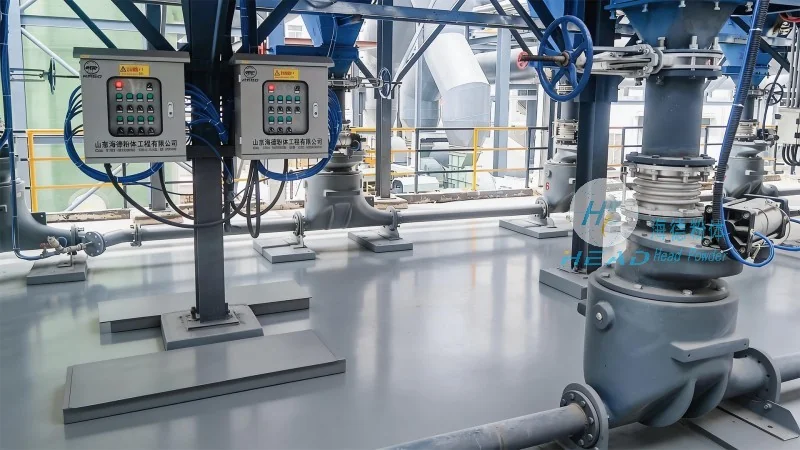
Advantages and Applications
Cellulose pneumatic conveying systems offer several advantages over traditional mechanical conveying methods. They are highly efficient in transporting materials over long distances, with minimal material degradation. The system is also flexible, as it can be easily adjusted to handle different material types and flow rates. Additionally, the system is compact and requires less floor space compared to other conveying methods. These systems are widely used in various industries, including the paper and pulp industry, where cellulose is a primary raw material. They are also used in food processing, pharmaceuticals, and chemical industries for transporting bulk materials.
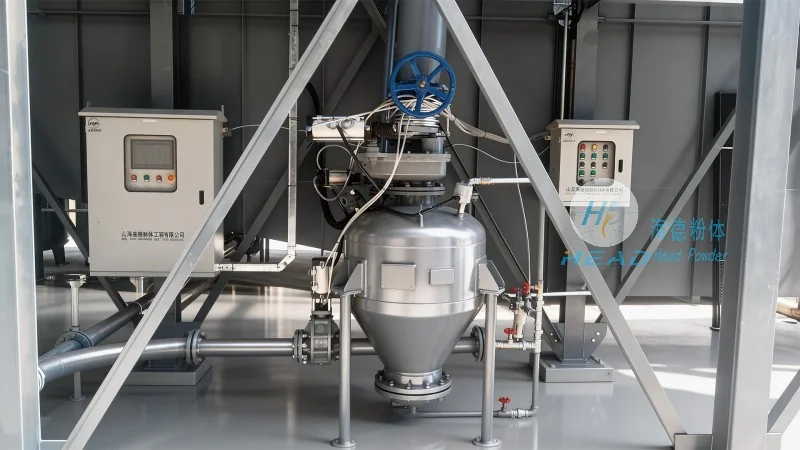
Maintenance and Operational Considerations
To ensure the long-term performance and reliability of a cellulose pneumatic conveying system, regular maintenance is essential. This includes checking the compressor or blower for proper operation, inspecting the conveying line for blockages or wear, and cleaning the hopper and receiver to prevent material buildup. The system should also be monitored for air pressure and flow rates to ensure optimal performance. Proper maintenance can extend the lifespan of the system and reduce downtime, leading to cost savings for the user.
Shandong HeadPowder Engineering Co., Ltd. provides comprehensive support for its pneumatic conveying systems, including installation, commissioning, and after-sales service. The company's team of experts ensures that each system is tailored to meet the specific needs of the customer, whether it's for a small-scale operation or a large industrial facility. By leveraging advanced technology and years of experience, HeadPowder delivers reliable and efficient solutions for cellulose and other bulk material transportation.