

Operation Process and Working Principle of Lithium-Ion Battery Pneumatic Conveying System
Understanding the operation process and working principle of a lithium-ion battery pneumatic conveying system is crucial for optimizing material handling in battery manufacturing facilities. This system, developed by Shandong HeadPowder Engineering Co., Ltd., a leading provider in China, ensures efficient and safe transportation of lithium-ion battery components and materials.
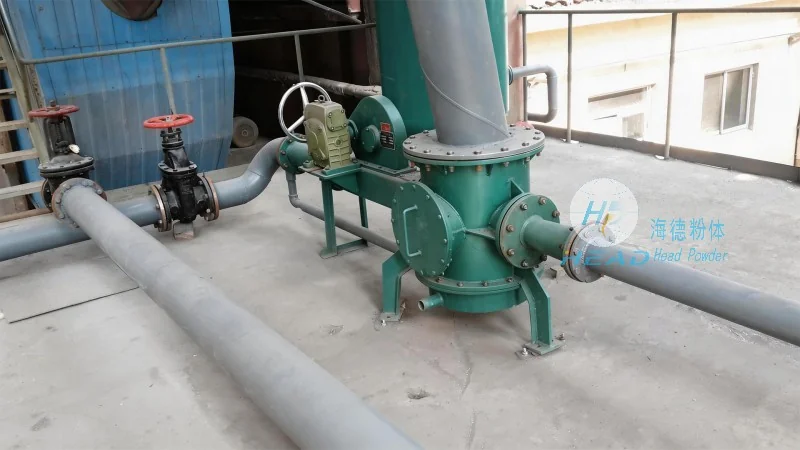
System Overview and Core Components
The lithium-ion battery pneumatic conveying system consists of several key components that work in tandem to achieve seamless material transport. These include the material feed hopper, which holds the raw materials such as lithium compounds, cathode materials, and anodes. The hopper is equipped with a rotary valve or feeder that controls the flow of material into the conveying line. A blower or air compressor provides the necessary air pressure to move the material through the pipeline. The conveying line itself is typically made of stainless steel or other corrosion-resistant materials to accommodate the chemical properties of battery components. Additionally, the system includes a filter and dust collector to maintain air quality and prevent contamination, which is critical in battery production environments.
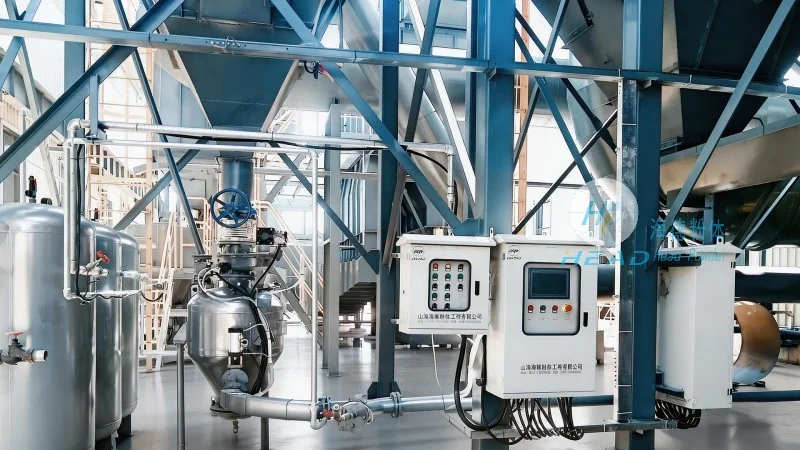
Working Principle of the Pneumatic Conveying Process
The working principle of the lithium-ion battery pneumatic conveying system is based on the principle of air flow and particle movement. When the blower operates, it creates a pressure differential within the conveying line. The material from the feed hopper is introduced into the line, and the air flow carries the particles forward. The system uses either positive pressure (pressure conveying) or negative pressure (vacuum conveying) methods, depending on the material characteristics and system design. Positive pressure systems are commonly used for long-distance or high-volume conveying, as they provide consistent air pressure to move the material efficiently. Negative pressure systems are suitable for short distances or when handling fine powders, as they create a vacuum that draws the material through the line. The system's design ensures that the material is transported without segregation or degradation, maintaining the quality of the battery components.
Operation Process: From Material Loading to Discharge
The operation process of the lithium-ion battery pneumatic conveying system begins with material loading into the feed hopper. The rotary valve or feeder regulates the flow rate, ensuring a steady supply of material to the conveying line. The blower then starts, generating the air pressure needed to move the material. As the air flows through the pipeline, it carries the particles to the discharge point, which is typically a storage silo or processing unit. The system's control panel monitors key parameters such as air pressure, flow rate, and material level, allowing for real-time adjustments to maintain optimal performance. During operation, the filter and dust collector continuously remove any airborne particles, ensuring that the air is clean and the environment is safe for workers. The system is designed to be automated, with minimal human intervention required, enhancing efficiency and reducing the risk of errors.
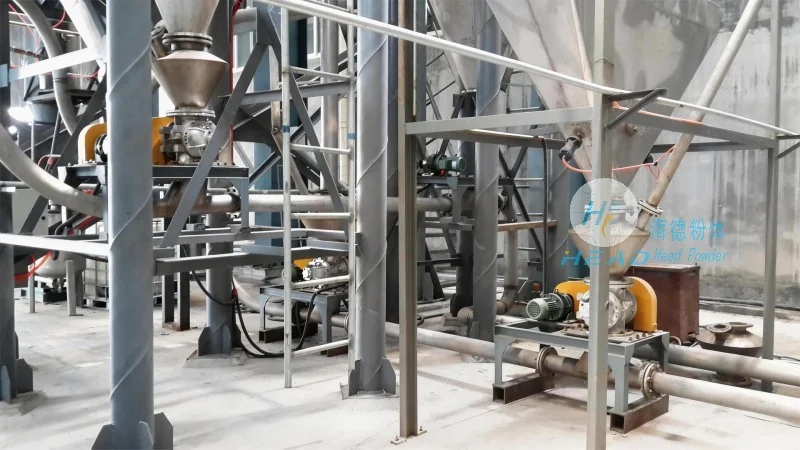
Advantages and Applications in Battery Manufacturing
Shandong HeadPowder Engineering Co., Ltd.'s lithium-ion battery pneumatic conveying system offers several advantages that make it ideal for battery manufacturing. The system provides a dust-free and clean environment, which is essential for maintaining the quality of battery components. It also ensures efficient material handling, reducing downtime and increasing production throughput. The system's flexibility allows it to handle various materials, including fine powders and granules, which are commonly used in lithium-ion battery production. Additionally, the system is designed to be scalable, allowing it to be customized to meet the specific needs of different battery manufacturing facilities. The company's expertise in engineering and manufacturing ensures that the system is reliable and durable, with a long service life. The lithium-ion battery pneumatic conveying system is widely used in the production of lithium-ion batteries, including cathode materials, anodes, and electrolytes. It is also used in the handling of other materials in the battery manufacturing process, such as binders and conductive additives.