

Operation Process and Working Principle of Automatic Blending and Feeding Pneumatic Conveying Equipm
Automatic blending and feeding pneumatic conveying equipment is a critical component in modern industrial processing, designed to efficiently handle bulk materials with precision and reliability. This equipment plays a vital role in various sectors, including pharmaceuticals, food processing, and chemical manufacturing, where consistent material handling is essential for product quality and operational efficiency.
Overview of the Equipment
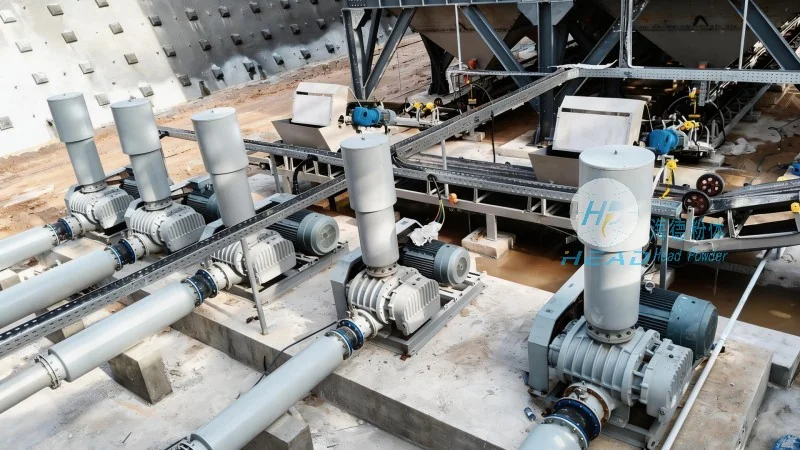
HeadPowder, a leading manufacturer based in Shandong, China, specializes in developing advanced pneumatic conveying systems tailored to meet diverse industrial needs. The company's equipment integrates sophisticated control mechanisms and durable construction to ensure long-term performance and minimal maintenance. The core of this system is the automatic blending and feeding process, which optimizes material distribution and reduces human intervention, thereby enhancing overall production throughput.
Key Components and Their Functions
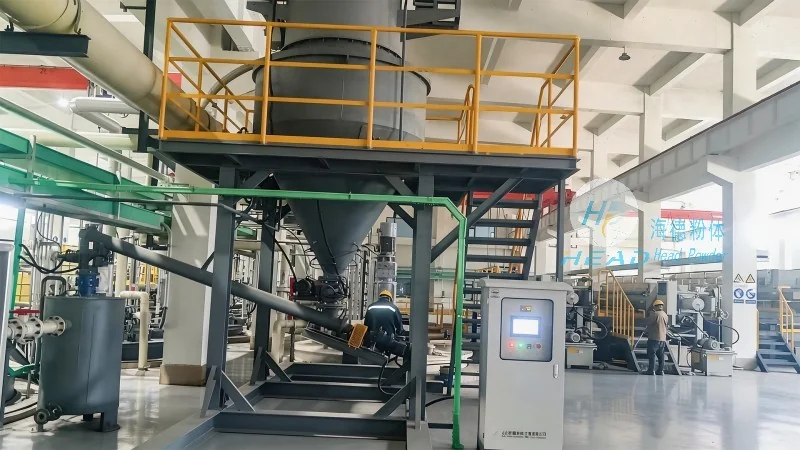
The automatic blending and feeding pneumatic conveying equipment consists of several interconnected components, each playing a specific role in the material handling process. These include the hopper for material storage, the feeder for controlled discharge, the pneumatic conveying line with air pumps and filters, and the control panel for system management. The hopper ensures a steady supply of material, while the feeder regulates the flow rate to match production requirements. The conveying line uses compressed air to transport the material from the feeder to the destination, such as a mixer or processing unit. The control panel allows operators to monitor and adjust the system parameters in real-time, ensuring optimal performance.
Operation Process
The operation of the automatic blending and feeding pneumatic conveying equipment follows a systematic sequence to ensure accurate material transfer. Initially, the material is loaded into the hopper from a bulk storage area. The feeder then starts, and the control system adjusts the air pressure and flow rate to maintain a consistent material flow. As the material moves through the conveying line, it is transported to the target location. The system continuously monitors the material level in the hopper and adjusts the feeder speed accordingly to prevent overfilling or underfilling. This closed-loop control ensures that the blending ratio remains stable, which is crucial for applications requiring precise material composition.
Working Principle
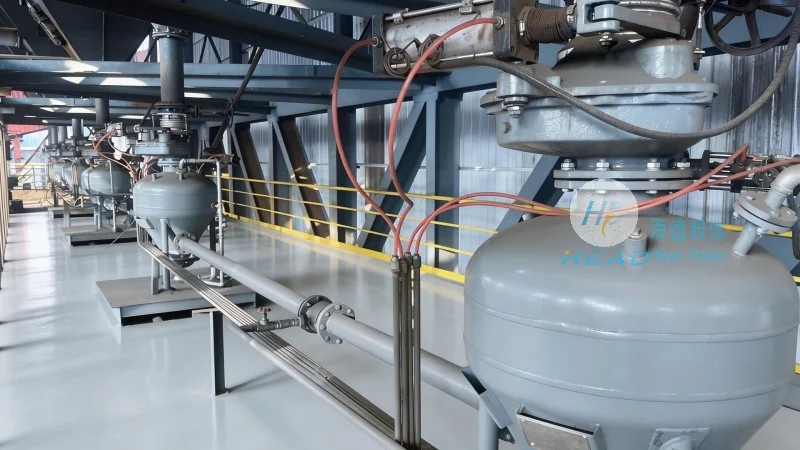
The working principle of the automatic blending and feeding pneumatic conveying equipment is based on the principle of pneumatic transport, where materials are conveyed using compressed air. The system operates by creating a pressure differential between the hopper and the conveying line. When the feeder opens, material is drawn into the conveying line along with the air stream. The air pressure and velocity are carefully controlled to prevent material degradation and ensure efficient transport. The equipment uses positive pressure or negative pressure (or a combination of both) depending on the material properties and system design. For example, in positive pressure systems, the conveying line is pressurized, pushing the material forward, while in negative pressure systems, the line is slightly vacuumed, pulling the material. The control panel manages these parameters to maintain the desired flow rate and pressure, ensuring smooth operation.
Advantages and Applications
Automatic blending and feeding pneumatic conveying equipment offers several advantages over traditional methods, such as manual handling or mechanical conveyors. These benefits include improved safety, reduced labor costs, enhanced material consistency, and increased production efficiency. The equipment is particularly suitable for handling fine powders, granules, and other bulk materials that are difficult to transport using conventional methods. In pharmaceutical manufacturing, for instance, the equipment ensures that active ingredients are blended uniformly, meeting stringent quality standards. In food processing, it maintains hygiene and prevents contamination, which is critical for consumer safety. The system's ability to handle a wide range of materials makes it versatile and adaptable to various industrial applications.
Maintenance and Longevity
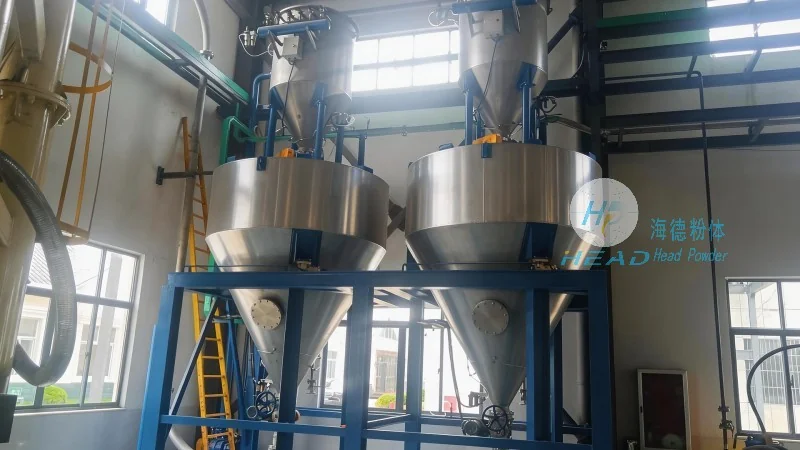
To ensure the longevity and reliability of the automatic blending and feeding pneumatic conveying equipment, regular maintenance is essential. HeadPowder provides comprehensive maintenance services and spare parts to support their clients. The maintenance schedule typically includes cleaning the hopper and conveying line to prevent material buildup, checking the air filter and pump for proper operation, and inspecting the feeder mechanism for wear and tear. Regular maintenance not only extends the equipment's lifespan but also minimizes downtime, ensuring continuous production. The company's expertise in pneumatic conveying systems allows them to offer tailored maintenance plans that address the specific needs of each client, ensuring optimal performance and cost-effectiveness.
Conclusion
Automatic blending and feeding pneumatic conveying equipment from HeadPowder represents a significant advancement in bulk material handling technology. By integrating advanced control systems and durable components, the equipment ensures efficient, precise, and reliable material transfer. The operation process and working principle are designed to meet the demands of modern industrial applications, providing consistent performance and high-quality results. With its focus on innovation and customer support, HeadPowder continues to be a trusted partner in the manufacturing industry, delivering solutions that enhance productivity and product quality.