

Operation Process and Working Principle of Kaolin Powder Pneumatic Conveying System
Handling fine powders such as kaolin requires specialized equipment to maintain product integrity and operational efficiency. Pneumatic conveying systems have emerged as a preferred solution for transporting kaolin powder due to their ability to minimize dust generation, reduce material degradation, and provide a flexible and cost-effective material handling method. This article explores the operation process and working principles of a kaolin powder pneumatic conveying system, detailing the key components, operational workflow, and the role of Shandong HeadPowder Engineering Co., Ltd. in delivering such systems.
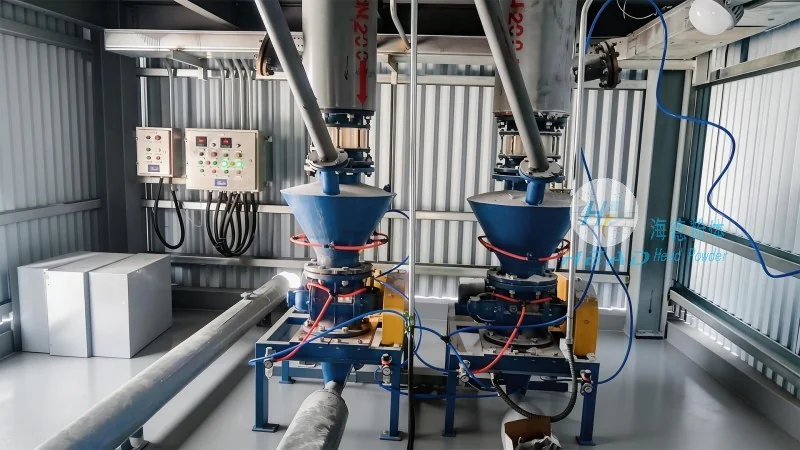
About Shandong HeadPowder Engineering Co., Ltd.
HeadPowder is a reputable engineering company based in Shandong, China, specializing in the design, manufacturing, and installation of advanced material handling systems. With a team of experienced engineers and technicians, HeadPowder focuses on developing customized pneumatic conveying solutions tailored to the unique needs of various industries, including ceramics, chemicals, and food processing. The company’s commitment to quality, innovation, and customer satisfaction has earned it a strong reputation in the market, making it a trusted partner for businesses seeking reliable and efficient material transport solutions.
Key Components and Their Functions
The kaolin powder pneumatic conveying system comprises several critical components that work in concert to achieve efficient material transport. These components include the material hopper, feeder, air compressor, conveying pipeline, and receiver. Each component is designed to perform a specific function, ensuring the smooth and continuous flow of kaolin powder.
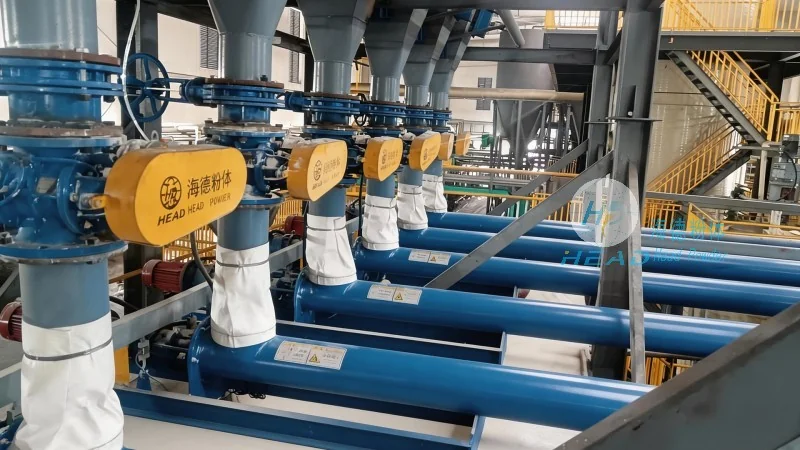
The material hopper serves as the storage vessel for the kaolin powder, providing a consistent supply of material to the system. It is equipped with a level indicator to monitor the powder level, preventing overfilling or underfilling. The feeder, typically a rotary valve or a screw feeder, regulates the flow rate of the kaolin powder into the conveying line. This controlled feeding is crucial for maintaining a stable air-powder ratio, which directly impacts the system’s efficiency and the condition of the transported material.
The air compressor generates the necessary pressure to move the kaolin powder through the conveying line. It can be a positive displacement type, such as a rotary lobe or a piston compressor, or a centrifugal compressor, depending on the system’s design and the material’s characteristics. The conveying line, usually constructed from stainless steel or other corrosion-resistant materials, is designed to withstand the pressure and the abrasive nature of the kaolin powder. The receiver, or discharge hopper, collects the transported kaolin powder, separating it from the air stream.
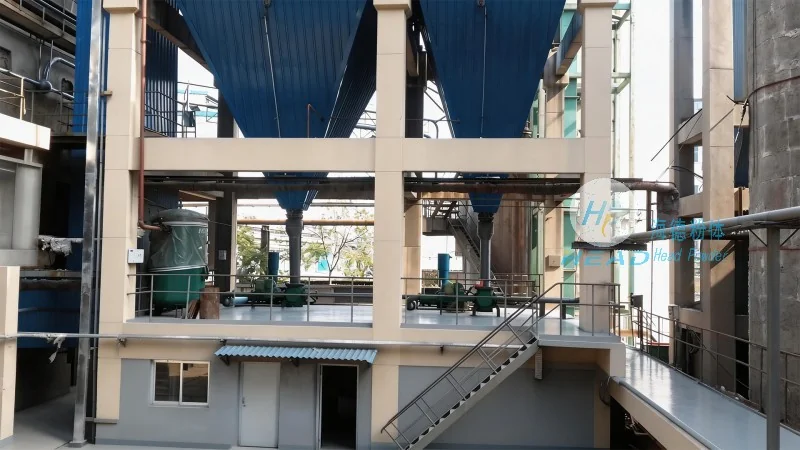
Working Principle of the Pneumatic Conveying System
The working principle of the kaolin powder pneumatic conveying system is based on the use of compressed air to transport the powder particles. The system operates by creating a pressure differential between the hopper and the receiver. As the feeder discharges the kaolin powder into the conveying line, the air compressor supplies compressed air, which mixes with the powder and propels it through the line.
During the conveying process, the kaolin powder particles are suspended in the air stream due to the air velocity. The air velocity is maintained at a level sufficient to keep the powder particles in suspension, preventing particle settling or clogging of the pipeline. The mixture of air and powder travels through the conveying line to the receiver, where the air and powder are separated. The air is typically vented to the atmosphere or recirculated, while the kaolin powder is collected in the receiver for further processing or storage.
The system’s efficiency is influenced by several factors, including the air pressure, flow rate, and the size and density of the kaolin powder particles. Proper design and maintenance of the system components are essential to ensure optimal performance and minimize downtime. HeadPowder’s expertise in system design allows for the optimization of these parameters to meet specific operational requirements.
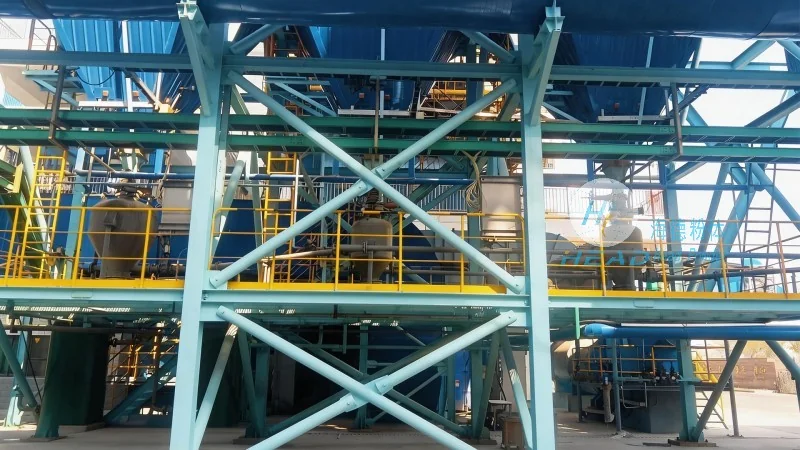
Operation Process and Workflow
The operation of the kaolin powder pneumatic conveying system follows a systematic sequence to ensure efficient material transport. The process begins with the loading of kaolin powder into the material hopper. The feeder then starts to discharge the powder at a controlled rate into the conveying line. Simultaneously, the air compressor supplies compressed air to the system, creating a pressure differential that propels the powder particles through the line.
As the kaolin powder enters the conveying line, it mixes with the air stream, forming a slurry-like mixture. The air velocity within the line is maintained at a level sufficient to keep the powder suspended and prevent particle settling or clogging. The mixture travels through the conveying line to the receiver, where the air and powder are separated. The air is typically vented to the atmosphere or recirculated, while the kaolin powder is collected in the receiver for further processing or storage.