

Operation Process and Working Principle of Bulk Bag Unloading Pneumatic Conveying Equipment
HeadPowder, a leading manufacturer based in Shandong, China, specializes in the design and production of advanced bulk bag unloading pneumatic conveying equipment. This equipment is engineered to efficiently transfer bulk materials from flexible containers, such as super sacks or big bags, into processing systems or storage vessels. The following sections detail the operational process and underlying working principles of this technology.
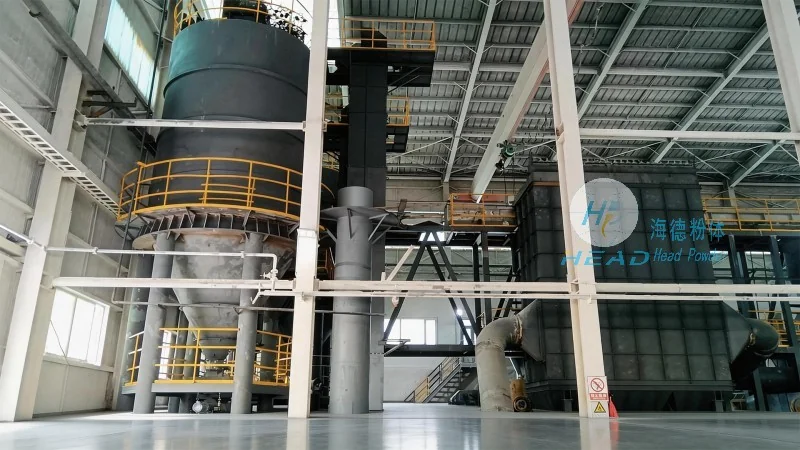
Overview of Bulk Bag Unloading Pneumatic Conveying Systems
Bulk bag unloading pneumatic conveying systems are integral to modern material handling operations, particularly in industries like chemicals, food processing, and pharmaceuticals. These systems combine the flexibility of bulk bag packaging with the efficiency of pneumatic transport, enabling seamless material transfer while maintaining hygiene and safety standards. The core components of such a system typically include a bulk bag discharger, a hopper, a pneumatic conveying line, and a dust collection system. Each component plays a crucial role in ensuring the smooth and reliable operation of the entire process.
Step-by-Step Operational Process
The operation of a bulk bag unloading pneumatic conveying system involves several key steps, each designed to facilitate the safe and efficient transfer of bulk materials. The process begins with the placement of a filled bulk bag onto the discharger frame. The discharger then secures the bag, typically using a clamp or a lifting mechanism, to prevent any movement during unloading. Next, the bag's top is opened, and a discharge spout or valve is activated to allow the material to flow into the hopper. Simultaneously, the pneumatic conveying system is activated, creating a pressure differential that draws the material from the hopper through the conveying line and into the receiving vessel. The system may also incorporate a vacuum or pressure mode, depending on the material's properties and the required transfer distance. Throughout the process, the dust collection system continuously removes airborne particles, ensuring a clean and safe working environment. Once the bulk bag is empty, the discharger retracts, and the bag can be removed for disposal or reuse.
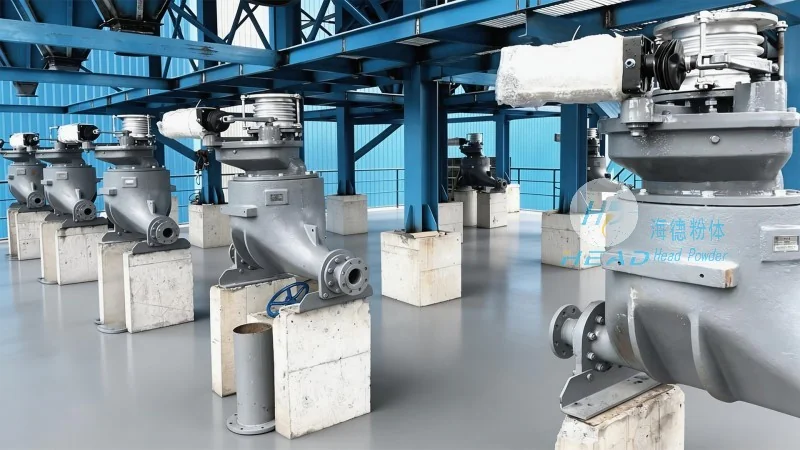
Working Principles of Pneumatic Conveying
The working principle of pneumatic conveying relies on the movement of material particles suspended in a stream of air. There are two primary modes of pneumatic conveying: pressure and vacuum. In pressure conveying, compressed air is introduced into the conveying line, creating a positive pressure that pushes the material forward. This method is suitable for short to medium distances and for materials that are less prone to degradation under pressure. Vacuum conveying, on the other hand, uses a vacuum pump to create a negative pressure that draws material from the source into the conveying line. This mode is ideal for longer distances and for handling materials that are light or dusty, as it reduces the risk of material spillage and dust dispersion.
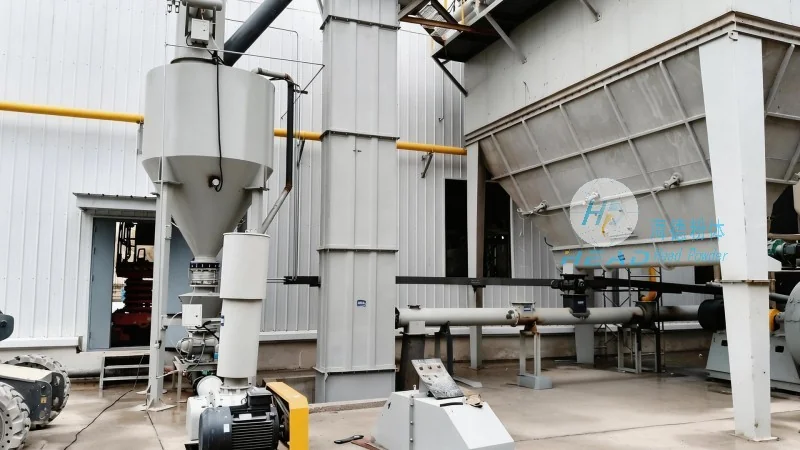
Key Components and Their Functions
Several critical components contribute to the effective operation of a bulk bag unloading pneumatic conveying system. The bulk bag discharger is the primary unit responsible for handling the bag and controlling the discharge process. It typically features a robust frame, a secure clamping mechanism, and an opening system that allows the bag's contents to flow into the hopper. The hopper serves as an intermediate storage vessel, ensuring a consistent flow of material to the conveying line. It is designed with smooth surfaces and sloped sides to prevent material bridging or caking. The pneumatic conveying line consists of pipes, valves, and fittings that transport the material. The line's diameter and material (usually stainless steel or PVC) are selected based on the material's characteristics and the required flow rate. The dust collection system, which may include a filter or cyclone, captures and removes airborne particles, maintaining air quality and preventing contamination. Finally, the receiving vessel, such as a silo or tank, stores the transferred material until it is ready for processing.
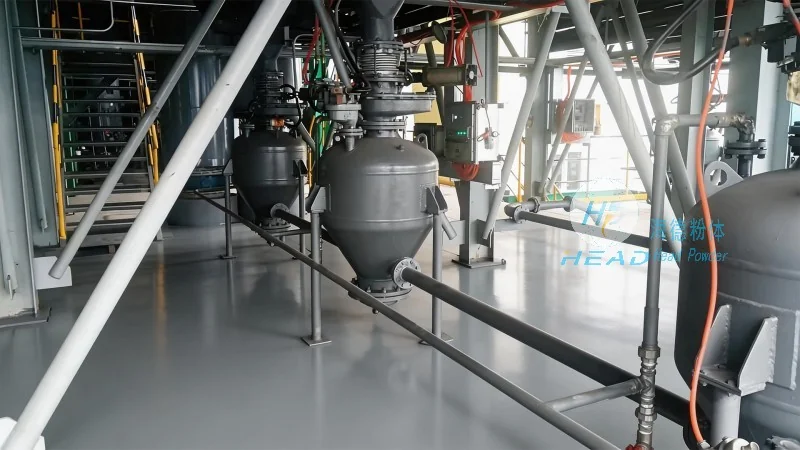
Advantages and Applications
Bulk bag unloading pneumatic conveying equipment offers numerous advantages over traditional material handling methods. It provides a hygienic and dust-free transfer process, which is essential in industries where product purity is critical. The system also reduces labor costs by automating the unloading process, minimizing the need for manual handling of heavy bags. Additionally, it improves safety by eliminating the risk of manual lifting and handling of bulk bags. The equipment is widely used in various applications, including the transfer of powders, granules, and other bulk materials from bulk bags into processing lines, storage tanks, or packaging machines. Industries such as chemical manufacturing, food and beverage processing, pharmaceuticals, and agriculture all benefit from the efficiency and reliability of this technology.
Maintenance and Operational Considerations
To ensure the longevity and optimal performance of bulk bag unloading pneumatic conveying systems, regular maintenance is essential. This includes inspecting and cleaning the bulk bag discharger, checking the condition of the conveying line and components, and maintaining the dust collection system. Proper maintenance helps prevent clogging, material buildup, and equipment failure. Operational considerations also include selecting the appropriate conveying mode (pressure or vacuum) based on the material's properties and the transfer distance. For example, vacuum conveying is preferred for light, dusty materials over long distances, while pressure conveying is suitable for heavier, less dusty materials over shorter distances. Additionally, the system's air pressure and flow rate must be adjusted to match the material's characteristics, ensuring efficient and consistent transfer. By adhering to these maintenance and operational guidelines, users can maximize the equipment's lifespan and maintain its performance.