

Operation Process and Working Principle of PP Pneumatic Conveying Equipment
PP (Polypropylene) pneumatic conveying equipment is a critical component in material handling systems, designed to transport polypropylene particles or powders through a pipeline using air or gas as the conveying medium. This technology offers an efficient, dust-free, and flexible solution for moving bulk materials, making it widely used in various industrial applications such as chemical processing, food production, and pharmaceutical manufacturing. The operation of PP pneumatic conveying systems involves several key stages, each contributing to the overall functionality and reliability of the equipment.
Key Components of PP Pneumatic Conveying Systems
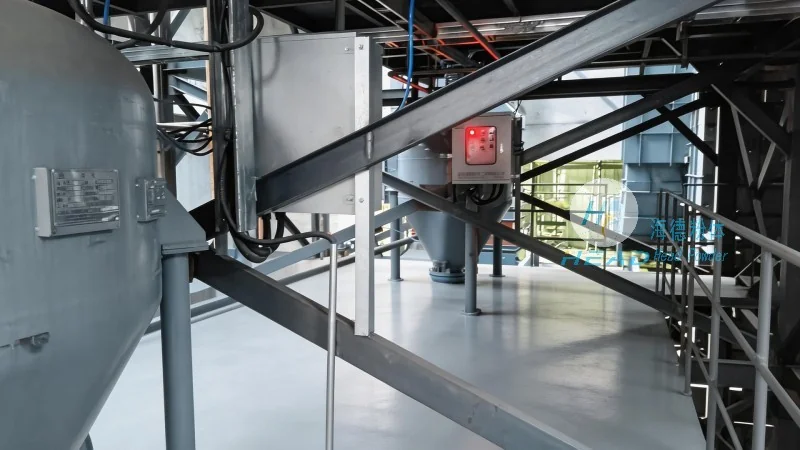
Before delving into the operation process, it is essential to understand the primary components that make up a typical PP pneumatic conveying system. These components include the material hopper, feeder, conveying line, air compressor, and control system. The material hopper stores the polypropylene material and feeds it into the system at a controlled rate. The feeder, often a rotary valve or screw feeder, regulates the flow of material into the conveying line. The conveying line, usually made of stainless steel or other corrosion-resistant materials, transports the material and air mixture. The air compressor generates the necessary pressure or vacuum to move the material through the line. The control system monitors and adjusts the operation of these components to ensure smooth and efficient material transport.
Operation Process of PP Pneumatic Conveying Equipment
The operation process of PP pneumatic conveying equipment typically follows a sequence of steps to ensure the material is transported from the source to the destination. The first step involves loading the polypropylene material into the hopper. The material is then fed into the conveying line by the feeder at a consistent rate. Simultaneously, the air compressor supplies compressed air or gas into the conveying line, creating a flow that propels the material particles. As the material moves through the line, it is carried by the air stream, which may be under pressure (positive pressure system) or vacuum (negative pressure system). The positive pressure system is commonly used for long-distance or high-capacity conveying, while the negative pressure system is suitable for short-distance or dusty environments. The material is then discharged at the receiving end, where it is collected in a storage bin or processing unit. Throughout the process, the control system continuously monitors parameters such as pressure, flow rate, and material level to maintain optimal operation and prevent issues like blockages or overloading.
Working Principle of PP Pneumatic Conveying Systems
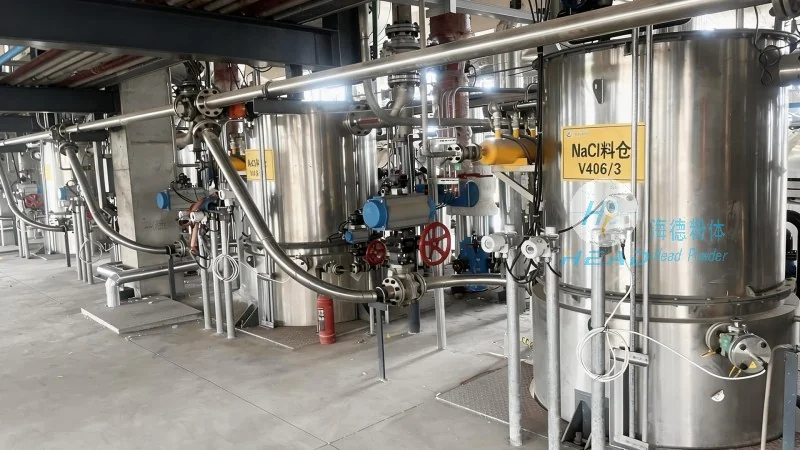
The working principle of PP pneumatic conveying equipment is based on the principle of fluidization and pneumatic transport. In a positive pressure system, compressed air is introduced into the conveying line, creating a high-pressure environment that forces the air and material mixture through the pipeline. The air flow velocity is maintained above the minimum conveying velocity, which is the speed at which the material particles are lifted and transported without settling. This velocity depends on factors such as particle size, density, and the air-to-material ratio. In a negative pressure system, a vacuum is created at the receiving end, drawing the air and material mixture from the source. The vacuum pulls the material particles into the conveying line, where they are carried by the air stream. The air flow in both systems is carefully controlled to ensure efficient transport while minimizing energy consumption and wear on the equipment components.
Advantages of PP Pneumatic Conveying Equipment
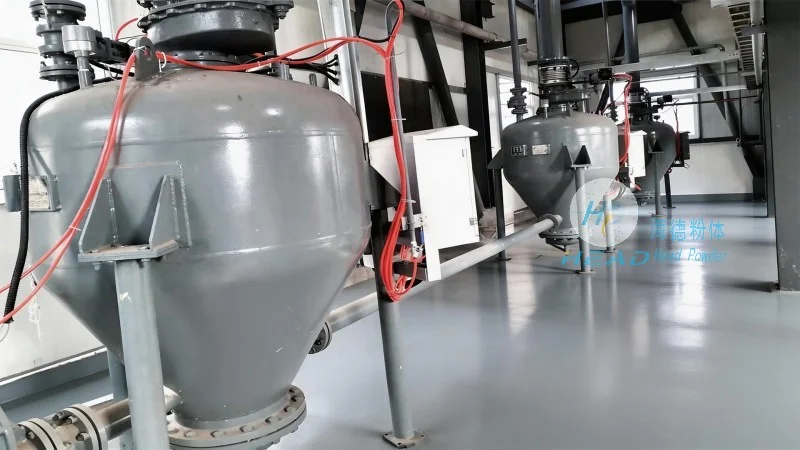
PP pneumatic conveying equipment offers several advantages over traditional material handling methods, such as belt conveyors or bucket elevators. One of the primary benefits is the ability to transport materials in a dust-free environment, which is crucial for industries where dust control is essential, such as food and pharmaceutical manufacturing. The system also provides flexibility in terms of layout, as the conveying line can be installed in various configurations, including vertical, horizontal, or inclined paths, to accommodate different plant layouts. Additionally, PP pneumatic conveying systems are capable of handling a wide range of material types, including powders, granules, and pellets, with minimal product degradation. The equipment is also relatively compact and can be integrated into existing facilities with minimal modifications. Furthermore, the operation of the system is automated, reducing the need for manual labor and improving overall efficiency and safety.
Applications of PP Pneumatic Conveying Equipment
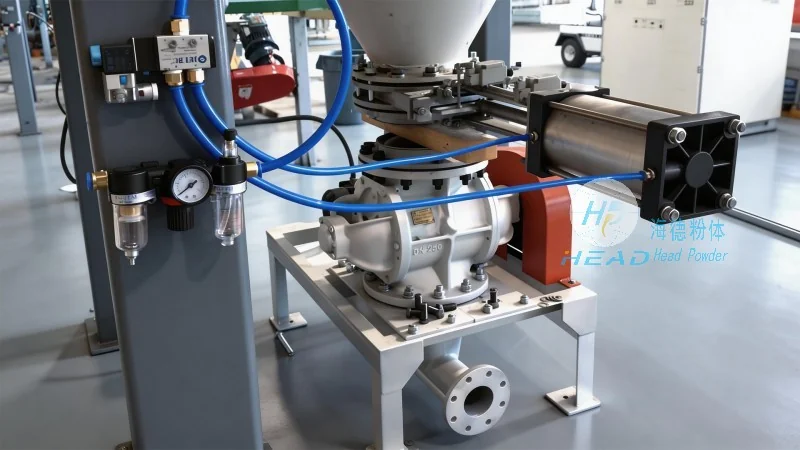
PP pneumatic conveying equipment is widely used in various industrial applications due to its versatility and efficiency. In the chemical industry, it is used to transport chemicals, pigments, and other powders. In the food industry, it is employed to handle ingredients like flour, sugar, and spices, ensuring hygiene and preventing contamination. The pharmaceutical industry also utilizes PP pneumatic conveying systems to transport active pharmaceutical ingredients (APIs) and other powders, maintaining strict quality and safety standards. Additionally, the equipment is used in the plastics industry to transport polypropylene pellets and other plastic materials. The automotive and construction industries also benefit from this technology for handling bulk materials like resins and fillers. The adaptability of PP pneumatic conveying equipment makes it suitable for a wide range of applications, from small-scale operations to large industrial plants.
Maintenance and Troubleshooting of PP Pneumatic Conveying Systems
Proper maintenance is essential to ensure the reliable and efficient operation of PP pneumatic conveying equipment. Regular maintenance tasks include cleaning the hopper and conveying line to prevent material buildup and blockages, checking the air compressor and control system for proper operation, and inspecting the feeder and other components for wear and tear. It is also important to monitor the air pressure and flow rate to ensure they are within the recommended range. If issues arise, such as blockages or reduced conveying efficiency, troubleshooting steps should be taken promptly. Common issues include material bridging in the hopper, air leaks in the conveying line, or worn-out components. By addressing these issues in a timely manner, the equipment can be kept in optimal condition, minimizing downtime and maximizing productivity.