

Operation Process and Working Principle of Pneumatic Conveying Equipment for Graphite Powder
HeadPowder, a leading manufacturer based in Shandong, China, specializes in the design and production of advanced pneumatic conveying equipment tailored for handling graphite powder. This equipment is engineered to efficiently transport graphite powder from storage silos to processing lines, ensuring minimal product degradation and optimal operational efficiency.
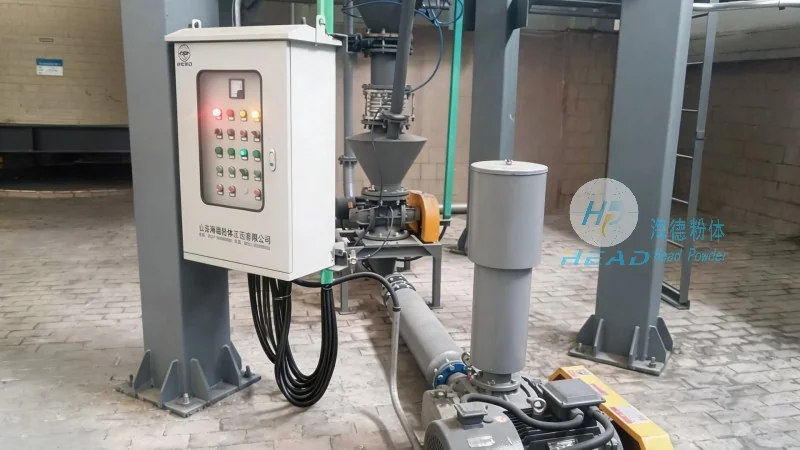
As a key player in the material handling industry, Shandong HeadPowder Engineering Co., Ltd. has established itself as a trusted provider of high-quality pneumatic conveying solutions. The company's headquarters is located in Shandong, China, where its team of experts develops cutting-edge technologies to meet the evolving needs of industrial applications.
Operation Process of Pneumatic Conveying Equipment for Graphite Powder
The operation of the pneumatic conveying system for graphite powder typically involves several key steps. First, graphite powder is fed into the storage silo from which it is drawn by a feeder mechanism. The feeder then regulates the flow rate of the powder into the conveying line. Simultaneously, a compressor generates the necessary air pressure to create a flow of air within the pipeline. This air flow, combined with the powder, forms a slurry that is propelled through the conveying line to the destination point, such as a processing or packaging unit. At the receiving end, a separator or cyclone separates the graphite powder from the air stream, allowing the powder to be discharged into the target container while the air is either recirculated or vented to the atmosphere.
Working Principle of Pneumatic Conveying Equipment for Graphite Powder
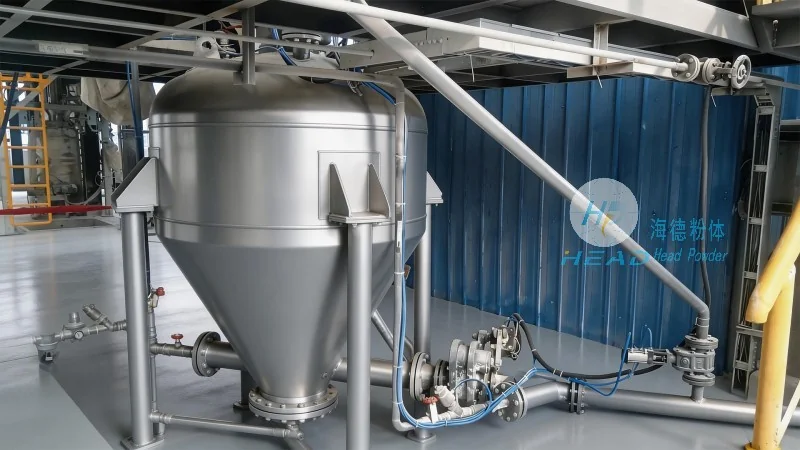
The core principle behind the pneumatic conveying of graphite powder is the use of air as the conveying medium. The system operates on the principle of fluid dynamics, where the air flow creates a pressure differential that moves the powder particles. The equipment utilizes either positive pressure or negative pressure (or a combination of both) to achieve the desired transport. Positive pressure systems use a compressor to force air into the pipeline, pushing the powder along, while negative pressure systems create a vacuum at the receiving end, drawing the powder and air mixture through the line. The design of the conveying line, including the diameter, length, and bends, is critical to maintaining the air-powder ratio and preventing blockages or product degradation. Proper air velocity and particle size distribution are also essential factors that influence the efficiency and effectiveness of the conveying process.
Key Components and Their Roles
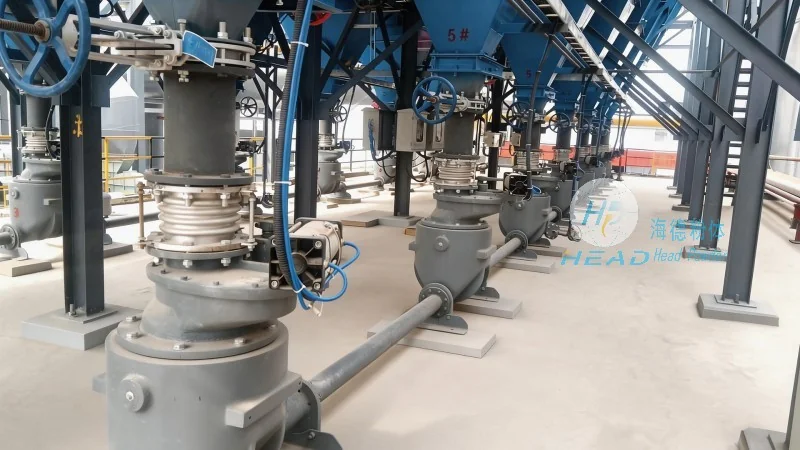
The pneumatic conveying equipment for graphite powder consists of several essential components, each playing a vital role in the overall operation. These components include the storage silo, feeder, compressor or vacuum pump, conveying pipeline, separator, and control system. The storage silo stores the graphite powder and provides a consistent feed to the feeder. The feeder controls the flow rate of the powder, ensuring a stable supply to the conveying line. The compressor or vacuum pump generates the necessary air pressure or vacuum to move the powder. The conveying pipeline transports the air-powder mixture from the source to the destination. The separator separates the powder from the air at the receiving end, preventing product loss and contamination. The control system monitors and regulates the operation of the entire system, ensuring optimal performance and safety.
Advantages of Using Pneumatic Conveying for Graphite Powder
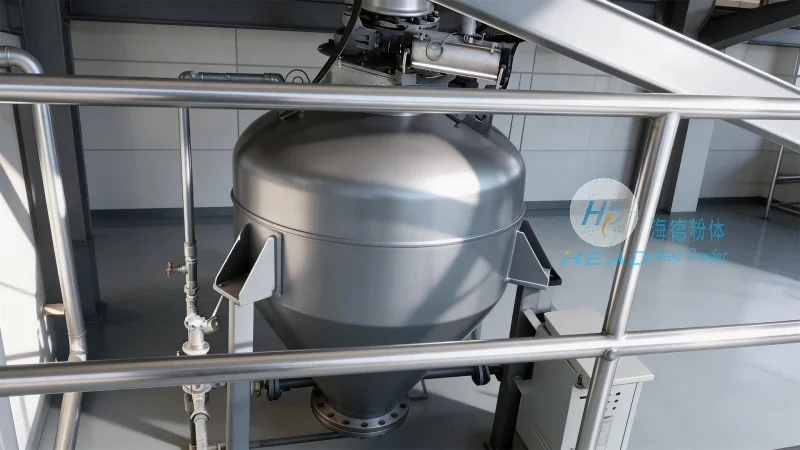
Pneumatic conveying equipment offers several advantages when handling graphite powder. These include the ability to transport the material in a closed system, which minimizes dust exposure and environmental contamination. The equipment also allows for the transport of graphite powder over long distances without the need for multiple transfer points or manual handling. Additionally, the system can handle varying flow rates and particle sizes, making it versatile for different industrial applications. The closed system also helps maintain the quality of the graphite powder by preventing moisture absorption or contamination from external sources.
Maintenance and Operational Considerations
To ensure the reliable and efficient operation of the pneumatic conveying equipment for graphite powder, regular maintenance is essential. This includes checking the condition of the feeder and silo, inspecting the conveying pipeline for blockages or wear, and maintaining the compressor or vacuum pump. Proper cleaning of the separator and other components is also important to prevent clogging and maintain performance. Operational considerations include monitoring the air pressure and flow rate, ensuring the correct air-powder ratio, and adjusting the system as needed to accommodate changes in powder characteristics or processing requirements.