

Operation Process and Working Principle of Asphalt Powder Pneumatic Conveying Equipment
Asphalt powder pneumatic conveying equipment is a critical component in the construction and road maintenance sectors, facilitating efficient and safe transportation of asphalt powder materials. This equipment is essential for applications where traditional material handling methods may be inefficient or pose safety risks. The following content provides a detailed overview of the operation process and working principle of such equipment, along with information about the manufacturer, Shandong HeadPowder Engineering Co., Ltd., based in Shandong, China.
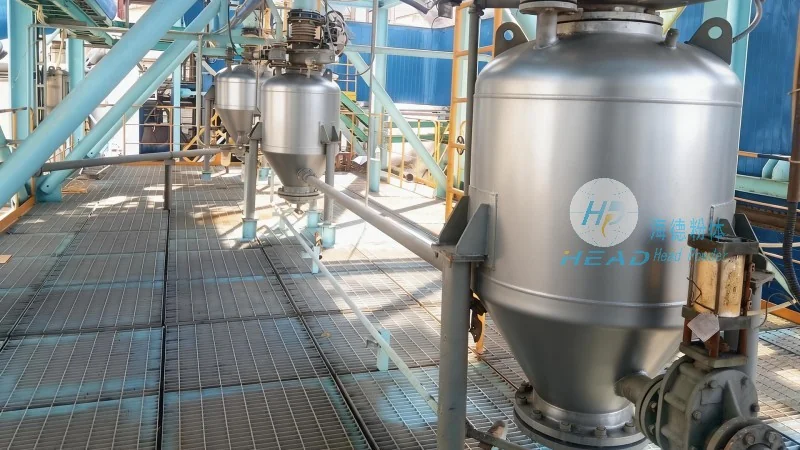
Introduction to Asphalt Powder Pneumatic Conveying Equipment
Asphalt powder, a key ingredient in road construction and maintenance, requires specialized handling due to its fine particle size and potential for dust generation. Pneumatic conveying systems offer a solution by utilizing compressed air to transport the material through a sealed system, minimizing dust exposure and ensuring consistent material flow. The equipment typically includes components such as a material hopper, air compressor, conveying pipeline, separation unit, and discharge valve, all working in unison to facilitate the smooth movement of asphalt powder from the source to the destination.
Manufacturer Information
Shandong HeadPowder Engineering Co., Ltd. is a leading manufacturer of pneumatic conveying equipment, with operations based in Shandong, China. The company specializes in designing and producing high-quality systems tailored to the needs of the construction and material handling industries. HeadPowder's expertise lies in creating reliable, efficient, and durable equipment that meets the demands of modern asphalt powder transportation. The company's commitment to quality and customer satisfaction has established it as a trusted partner in the industry.
Working Principle of Pneumatic Conveying
The fundamental principle of pneumatic conveying is the use of compressed air to create a flow that transports the material through a pipeline. In the case of asphalt powder, the system operates by drawing the material from a hopper and mixing it with a controlled amount of air. The air and powder mixture is then propelled through the conveying pipeline to the destination point. The separation unit at the end of the pipeline separates the air from the powder, allowing the powder to be discharged into a storage or processing area. This process is typically continuous, ensuring a steady supply of asphalt powder for construction projects.
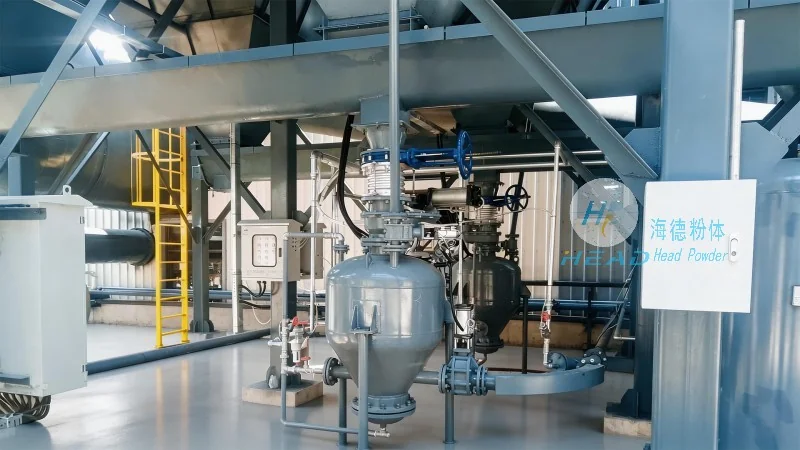
Operation Process Step-by-Step
The operation of asphalt powder pneumatic conveying equipment involves several key steps, each designed to ensure efficient and safe material handling. The process begins with the loading of asphalt powder into the material hopper. The hopper is equipped with a feeder that controls the flow of material into the system. Simultaneously, the air compressor generates the necessary compressed air, which is then introduced into the system to create the conveying medium. The feeder then releases the asphalt powder into the pipeline, where it is mixed with the air and transported to the separation unit. At the separation unit, the air is filtered and released, while the asphalt powder is collected in a container or directly to the construction site. The discharge valve at the end of the pipeline controls the release of the powder, ensuring precise delivery. The entire process is automated to minimize human intervention and maximize efficiency.
Key Components and Their Functions
Several critical components are integral to the proper functioning of asphalt powder pneumatic conveying equipment. The material hopper serves as the storage and feeding unit, holding the asphalt powder and regulating its release. The air compressor provides the necessary pressure to generate the conveying air, with options ranging from rotary lobe compressors to screw compressors depending on the system's requirements. The conveying pipeline is typically made of stainless steel or other corrosion-resistant materials to withstand the abrasive nature of asphalt powder and ensure long-term durability. The separation unit, often a cyclone or bag filter, separates the powder from the air, preventing dust contamination and maintaining air quality. The discharge valve controls the final release of the material, ensuring accurate and controlled delivery. Each component is designed to work in harmony, contributing to the overall efficiency and reliability of the system.
Advantages of Pneumatic Conveying for Asphalt Powder
Compared to traditional material handling methods, such as belt conveyors or manual loading, pneumatic conveying offers several advantages for asphalt powder transportation. One of the primary benefits is the reduction of dust exposure, which enhances workplace safety and compliance with environmental regulations. The sealed system also prevents material contamination, ensuring the quality of the asphalt powder remains consistent. Additionally, pneumatic conveying systems are highly efficient, capable of transporting large volumes of material over long distances with minimal energy consumption. The automated nature of the process reduces labor costs and increases productivity, making it an ideal solution for modern construction projects. Furthermore, the flexibility of the system allows for easy integration with existing infrastructure and adaptation to varying material flow requirements.
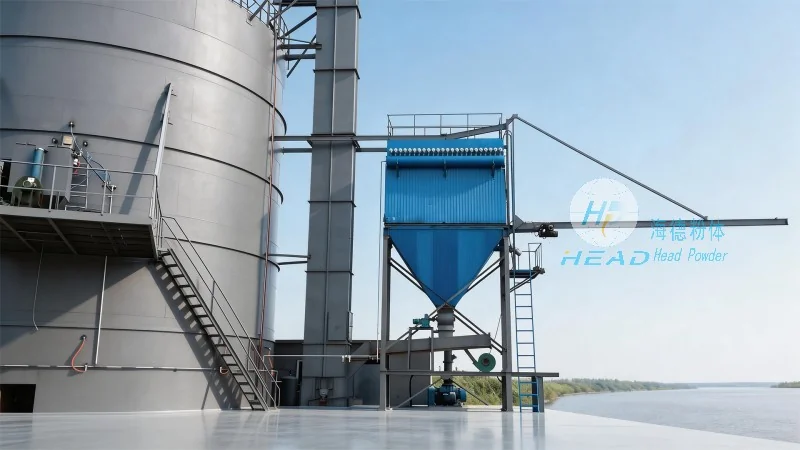
Applications in Construction and Maintenance
Asphalt powder pneumatic conveying equipment is widely used in various applications within the construction and road maintenance sectors. In road construction, the equipment is used to transport asphalt powder from storage facilities to mixing plants or directly to the construction site for paving. This ensures a continuous supply of material, reducing downtime and improving project efficiency. In maintenance operations, such as resurfacing or repair work, the system allows for quick and safe delivery of asphalt powder to the work area, minimizing disruption to traffic and surrounding areas. The equipment is also utilized in industrial settings where asphalt powder is used as a binding agent or in the production of asphalt products. Its versatility and reliability make it a preferred choice for both new construction and maintenance projects.
Maintenance and Safety Considerations
Proper maintenance and adherence to safety protocols are essential for the optimal performance and longevity of asphalt powder pneumatic conveying equipment. Regular inspections of the conveying pipeline and components are necessary to detect and address any wear or damage. The air compressor and other mechanical parts require routine maintenance, including lubrication and filter changes, to ensure consistent performance. Dust control measures, such as filtration systems and sealed enclosures, are critical to maintaining a safe working environment and preventing dust-related health issues. Operators should be trained on the proper operation and emergency procedures of the equipment to minimize the risk of accidents. By following these maintenance and safety guidelines, users can ensure the equipment operates efficiently and safely, maximizing its lifespan and performance.
Conclusion
Asphalt powder pneumatic conveying equipment is a vital technology in the construction and material handling industries, offering efficient, safe, and reliable transportation of asphalt powder. The equipment operates based on the principles of pneumatic conveying, utilizing compressed air to move material through a sealed system. Shandong HeadPowder Engineering Co., Ltd., based in Shandong, China, is a leading manufacturer of such equipment, providing high-quality systems tailored to the needs of the industry. The operation process involves several steps, from material loading to discharge, with each component playing a crucial role in the overall system. The advantages of pneumatic conveying, including reduced dust exposure and increased efficiency, make it an ideal solution for modern construction projects. Proper maintenance and adherence to safety protocols are essential for ensuring the equipment's longevity and performance. As the demand for efficient material handling continues to grow, pneumatic conveying systems will remain a key component in the construction and maintenance sectors.