

Operation Process and Working Principle of Diatomite Pneumatic Conveying Equipment
Shandong HeadPowder Engineering Co., Ltd. is a professional manufacturer and supplier specializing in diatomite processing equipment. The company is located in Shandong, China, and has established a strong reputation in the industry for its advanced technology and reliable products.
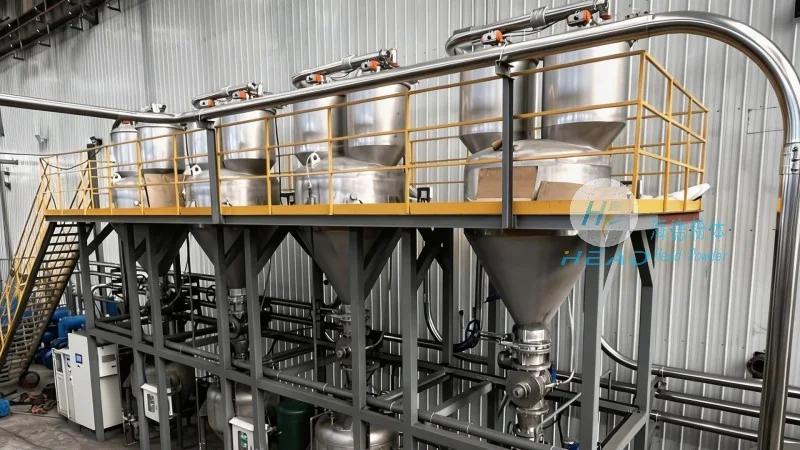
Overview of Diatomite Pneumatic Conveying Equipment
Diatomite, a natural sedimentary rock composed primarily of diatom skeletons, is widely used in various industries such as filtration, catalysts, and cosmetics. Pneumatic conveying equipment is an efficient method for transporting diatomite powder from one location to another. This equipment utilizes compressed air to move the material through a pipeline system, eliminating the need for traditional mechanical conveyors and reducing material handling costs.
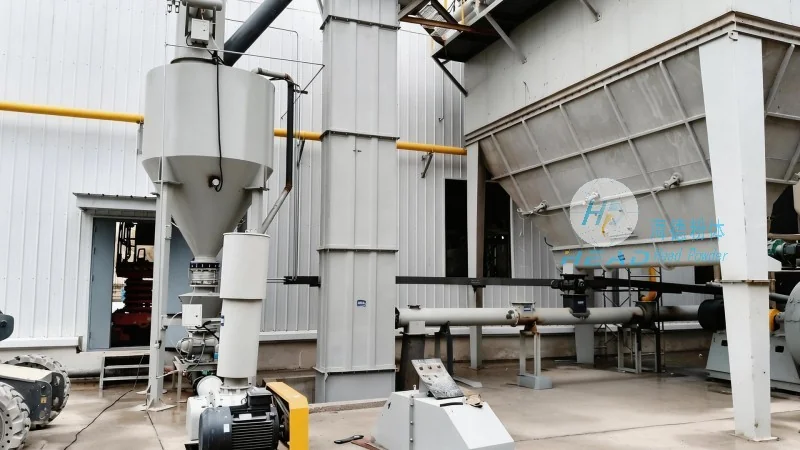
Working Principle of the Equipment
The core of diatomite pneumatic conveying equipment is the air flow system that creates a pressure differential to transport the powder. The system typically consists of a blower, a hopper for material storage, a feeder to control the flow rate, and a pipeline network. When the blower operates, it generates high-pressure air that draws the diatomite powder from the hopper into the pipeline. The air and powder mixture travels through the pipeline to the destination point, where a separator or cyclone separates the powder from the air. The separated powder is collected in a receiving hopper, while the air is either filtered and released or recirculated back to the system.
Operation Process of the Equipment
The operation of diatomite pneumatic conveying equipment follows a systematic process to ensure efficient and safe material transport. The steps include: 1. Preparing the system: Ensuring all components are properly installed, connected, and checked for any leaks or obstructions. 2. Starting the blower: Activating the air compressor to generate the necessary pressure for conveying. 3. Feeding the material: Opening the feeder valve to allow diatomite powder to enter the hopper and be drawn into the pipeline. 4. Monitoring the process: Keeping an eye on the pressure, flow rate, and material level to maintain optimal performance. 5. Stopping the system: When the material is fully transported, shutting down the blower and feeder to prevent any backflow or material accumulation. The entire process is designed to be automated or semi-automated, reducing labor requirements and minimizing the risk of human error.
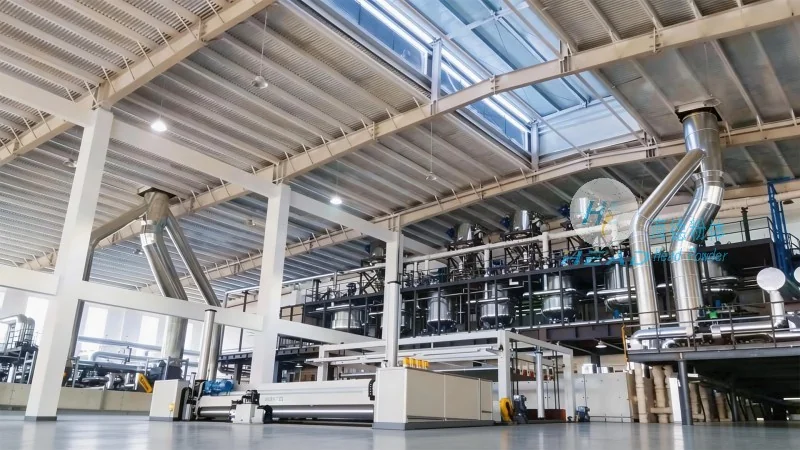
Advantages of Using Pneumatic Conveying for Diatomite
Compared to other material handling methods, pneumatic conveying offers several advantages for diatomite transport. These include: 1. High efficiency: The equipment can handle large volumes of powder quickly and continuously, improving production throughput. 2. Low maintenance: With fewer moving parts compared to mechanical conveyors, the system requires less frequent maintenance and has a longer service life. 3. Clean and hygienic: The enclosed pipeline system prevents dust contamination and protects the material from environmental factors, which is crucial for applications in food and pharmaceutical industries. 4. Flexibility: The system can be easily adjusted to handle different particle sizes and flow rates, making it suitable for various diatomite products. 5. Energy efficiency: Modern pneumatic conveying systems use advanced blowers and air management techniques to minimize energy consumption while maintaining high conveying capacity.