

Operation Process and Working Principle of Barley Malt Pneumatic Conveying Equipment
Shandong HeadPowder Engineering Co., Ltd. specializes in the design, manufacturing, and installation of advanced pneumatic conveying systems for the malt industry. Based in Shandong, China, the company leverages decades of experience to deliver efficient and reliable equipment tailored to the unique demands of barley malt processing. This article explores the operation process and working principle of their pneumatic conveying equipment, providing a comprehensive understanding of how these systems enhance productivity and maintain product quality.
Operation Process of Barley Malt Pneumatic Conveying Equipment
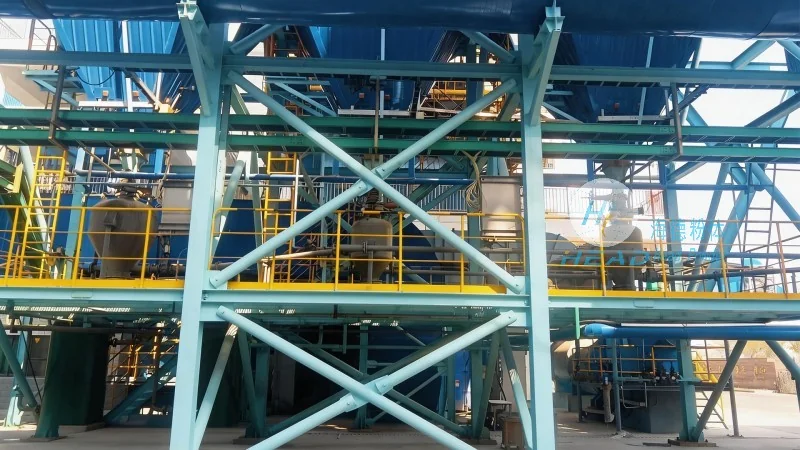
The operation of a barley malt pneumatic conveying system involves several key stages, each designed to ensure smooth and efficient material transfer from the source to the destination. The process typically begins with the loading of malt into the hopper, where the material is stored under controlled conditions to prevent moisture absorption and degradation. Once the hopper is filled, the system initiates the conveying cycle by activating the air compressor, which generates the necessary pressure to move the malt through the pipeline.
During the conveying phase, the malt is transported via a combination of air and mechanical action. The air compressor draws air from the environment and compresses it to a specific pressure, which is then introduced into the pipeline. As the compressed air flows through the line, it creates a flow that pulls the malt particles along with it, forming a dense phase flow. This method ensures that the malt moves uniformly without excessive friction or damage to the product. The system includes various components such as airlocks, cyclones, and filters to regulate the flow and separate the air from the malt, ensuring that only the product reaches the final destination.
Upon reaching the discharge point, the malt is released into the receiving container. The system then cycles back to the loading stage, repeating the process as needed. The entire operation is automated, with sensors and control systems monitoring key parameters like pressure, flow rate, and temperature to maintain optimal performance. This automation minimizes human intervention, reduces operational errors, and enhances overall efficiency.
Working Principle of Pneumatic Conveying Systems
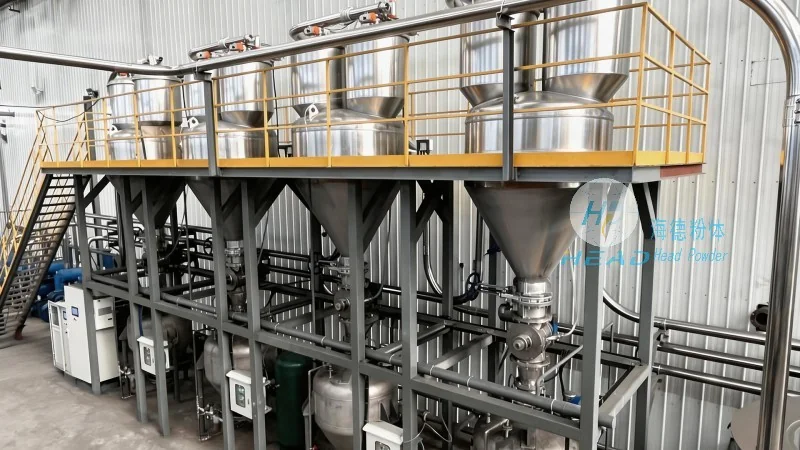
The working principle of a pneumatic conveying system for barley malt relies on the fundamental concept of transporting solid particles using a gas stream. There are two primary types of pneumatic conveying: positive pressure and negative pressure systems. Positive pressure systems use an air compressor to force air and malt through the pipeline, while negative pressure systems use a vacuum pump to draw the material into the line.
For barley malt applications, positive pressure systems are commonly preferred due to their ability to handle abrasive materials and maintain consistent flow rates. The system operates by first charging the pipeline with air, which is then mixed with the malt from the hopper. The air-malt mixture is then propelled through the pipeline using the compressed air. The velocity of the air is critical, as it must be sufficient to overcome the gravitational force of the malt and the friction within the pipeline. The system includes a series of components, including a rotary valve (airlock) at the inlet to control the flow of malt into the pipeline, and a cyclone separator at the outlet to separate the malt from the air stream.
The airlock, or rotary valve, is a crucial component that prevents the backflow of air and ensures a continuous flow of malt. It works by rotating a series of paddles or blades that intermittently open and close, allowing the malt to enter the pipeline while maintaining the air pressure. The cyclone separator, on the other hand, uses centrifugal force to separate the malt from the air. As the air-malt mixture enters the cyclone, the heavier malt particles are forced to the outer wall and fall into the collection chamber, while the air is discharged through the top of the cyclone.
Key Features and Benefits
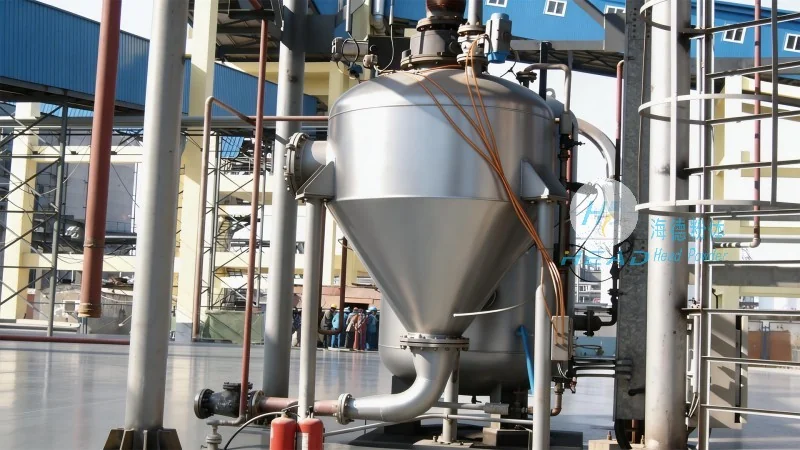
Shandong HeadPowder Engineering Co., Ltd.'s pneumatic conveying equipment offers several advantages over traditional mechanical conveying methods. One of the primary benefits is the ability to transport malt over long distances without the need for multiple transfer points or elevators. This reduces the risk of product contamination and damage, as the malt remains in a closed system throughout the process. Additionally, the system is highly flexible, allowing for changes in flow rate and direction without significant modifications to the infrastructure.
The equipment is also designed with durability and maintenance in mind. High-quality materials, such as stainless steel and corrosion-resistant coatings, are used to withstand the abrasive nature of barley malt and the corrosive effects of moisture. Regular maintenance is simplified due to the modular design of the components, which allows for easy replacement of parts without disrupting the entire system. This reduces downtime and operational costs, making the equipment a cost-effective solution for malt processing facilities.
Conclusion
Shandong HeadPowder Engineering Co., Ltd.'s pneumatic conveying systems provide an efficient and reliable method for transporting barley malt in industrial settings. By understanding the operation process and working principle of these systems, manufacturers can optimize their production lines, reduce costs, and maintain product quality. The company's commitment to quality and innovation ensures that their equipment meets the evolving needs of the malt industry, making them a trusted partner for businesses seeking to enhance their processing capabilities.